Renewable Energy in Cape Verde: The 2030 Green Power Goal
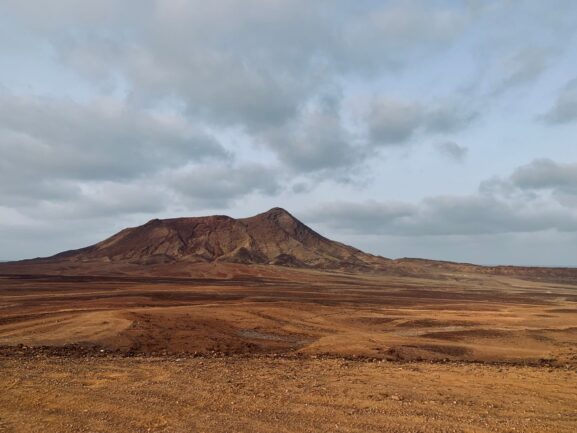
In the heart of the central Atlantic Ocean, the ten volcanic islands of Cape Verde (officially Cabo Verde) are undertaking one of the most ambitious energy transformations in Africa. As a nation lacking significant mineral wealth or fossil fuel reserves, this archipelagic state has long been dependent on expensive, imported petroleum products to power its economy. However, the tides are turning. Harnessing the relentless Atlantic winds and the intense tropical sun, Cape Verde has set a bold target: achieving 50% green power by the year 2030.
A Strategic Necessity for a Small Island State
Cape Verde’s push toward renewable energy is not merely an environmental choice; it is a strategic economic necessity. Located 600 to 850 kilometres west of Senegal, the country’s geography makes the logistics of fuel importation complex and costly. Historically, this has led to high electricity tariffs that impacted both residential consumers and the burgeoning tourism sector—the backbone of the nation’s service-oriented economy.
By transitioning to renewable sources, the government aims to reduce its vulnerability to volatile global oil prices and improve its balance of payments. For a “success story” of democracy and development in Africa, as described by international observers, energy independence is the next logical step in securing long-term economic stability.
The Roadmap to 2030: Progress and Potential
As of 2023, Cape Verde was already a leader in Sub-Saharan Africa, with approximately 20% of its energy derived from renewable sources. The leap from 20% to 50% over the next decade is supported by a comprehensive National Power Sector Master Plan. This plan leverages the archipelago’s unique geological and climatic features:
1. Wind Power: The Atlantic Advantage
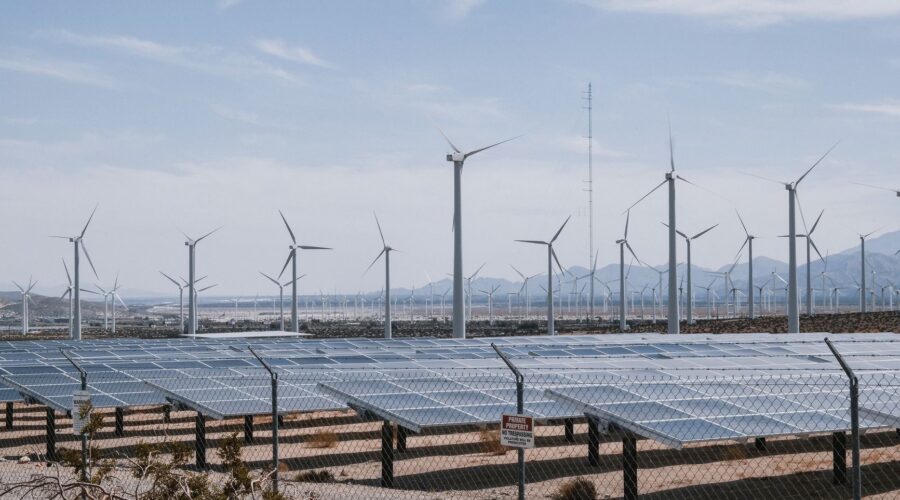
Thanks to the constant trade winds, Cape Verde possesses some of the highest wind power potential in the world. The islands of Sal, São Vicente, and Santiago already host significant wind farms. The “Cabeólica” project, a public-private partnership, was the first commercial-scale wind power project in Sub-Saharan Africa and has become a blueprint for similar initiatives across the continent.
2. Solar Energy: Capitalizing on the Sahelian Sun
Lying within the Sahelian semi-arid belt, islands like Sal and Boa Vista receive consistent, high-intensity sunlight throughout the year. While the landscape is often too arid for large-scale agriculture—with less than 2% of land being arable—it is ideal for photovoltaic parks. Large-scale solar installations in Praia and on the island of Sal are already feeding the national grid.
3. Geothermal and Hydro Potential
While wind and solar are the primary pillars, the volcanic nature of the islands offers intriguing possibilities for geothermal energy, particularly on the island of Fogo, home to the active Pico do Fogo volcano. Additionally, though rainfall is irregular, the steep mountainous terrain of Santiago and Santo Antão presents niche opportunities for pumped-storage hydropower to help stabilize the grid.
Innovative Financing: The Debt-for-Nature Swap
Funding a green revolution requires significant capital. In 2023, Cape Verde made headlines by signing a landmark agreement with Portugal to forgive €140 million of debt. In exchange, Cape Verde committed to investing those funds into environmental and climate projects, including renewable energy infrastructure. This “debt-for-nature swap” is one of the first of its kind in Africa and serves as a global model for how developing nations can tackle climate change while managing sovereign debt.
Overcoming Challenges: Storage and Interconnectivity
The journey to 50% green power is not without hurdles. The greatest technical challenge lies in the “insular” nature of the energy systems. Unlike mainland countries, Cape Verde cannot easily trade electricity with neighbors. Each island requires its own micro-grid or a complex subsea cable system for interconnectivity.
Furthermore, because wind and solar are intermittent, the government is focusing heavily on energy storage solutions. Investing in large-scale battery systems is essential to ensure that the lights stay on even when the wind dies down over the Barlavento Islands or when the sun sets over Santiago.
The Human Impact and Climate Resilience
Despite being a minimal contributor to global greenhouse gas emissions, Cape Verde is on the frontlines of the climate crisis. Ranked as one of the most endangered nations due to rising sea levels and flooding, the country views its renewable energy transition as an act of global leadership. UN Secretary-General António Guterres recently praised the nation’s efforts, noting that Cape Verde is demonstrating how small island states can lead the way in climate action.
For the 530,000 residents of the archipelago, the transition promises more than just a cleaner environment. It promises “green jobs” in maintenance and technology, lower utility bills, and a more resilient infrastructure that can withstand the “Cape Verde-type” hurricanes that often form near its shores before crossing the Atlantic.
Conclusion
Cape Verde’s 2030 goal is a testament to the nation’s resilience and forward-thinking governance. By transforming its volcanic landscapes and Atlantic winds into a source of sustainable wealth, the Republic of Cabo Verde is proving that size and lack of natural resources are no barrier to becoming a global green energy pioneer. As the world watches, these islands are not just following the path to a sustainable future—they are paving it.
Image: Pexels – Kindel Media