São Nicolau Guide: Mountains & Arid Slopes of Cabo Verde
Nestled within the windward Barlavento group of the Cabo Verde archipelago, São Nicolau stands as a testament to the dramatic geological forces that shaped this Macaronesian nation. While the popular islands of Sal and Boa Vista attract sun-seekers with their flat, sandy expanses, São Nicolau offers a different, more profound allure. It is an island of sharp contrasts, where towering volcanic peaks draped in emerald greenery collide with sun-scorched, arid slopes that tumble into the deep blue of the Atlantic.
The Heart of the Barlavento
São Nicolau is one of the ten volcanic islands that make up the Republic of Cabo Verde. Located approximately 600 to 850 kilometres off the coast of West Africa, the island is part of a horseshoe-shaped cluster formed 40 to 50 million years ago. Unlike its flatter neighbors, São Nicolau boasts a rugged interior characterized by “orographically induced precipitation.” This scientific term translates to a breathtaking reality: as humid ocean air hits the island’s steep mountains, it condenses, fueling lush woods and “dry monsoon forests” that seem out of place in the otherwise semi-arid Sahelian belt.
Historically, the island played a vital role in the cultural and intellectual development of the country. During the 19th century, while the archipelago functioned as a crucial maritime stopping point for ships crossing the Atlantic—including Charles Darwin’s HMS Beagle—São Nicolau became a center for education. Its seminary once trained the intellectual elite of the islands, contributing to the burgeoning sense of national identity that eventually led to independence from Portugal in 1975.
A Landscape of Dramatic Extremes
The geography of São Nicolau is a masterclass in volcanic diversity. The island’s spine is dominated by Monte Gordo, the highest point, reaching 1,312 meters. This mountain acts as a climate divider; the windward side often catches the mist, fostering agriculture and vibrant greenery, while the leeward slopes remain starkly arid.
The Lush Highlands: Monte Gordo National Park
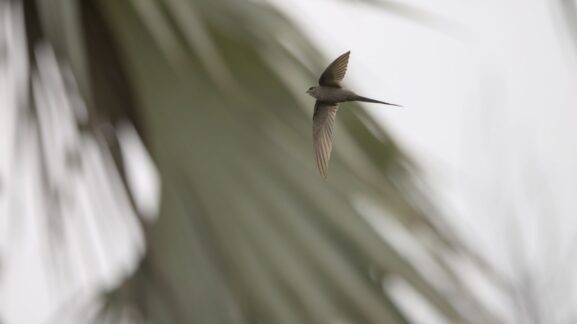
For hikers and nature lovers, Monte Gordo is the island’s crown jewel. The slopes here are home to several endemic species, part of the unique Cape Verde Islands dry forests ecoregion. As you ascend, the landscape shifts from sugarcane fields and banana plantations at the base to ancient dragon trees (Dracaena draco) and endemic flora that cling to the humid rocks. The park is a sanctuary for birdwatchers, who may spot the Iago sparrow or Alexander’s swift, species found nowhere else on Earth.
The Arid Slopes and Coastal Cliffs
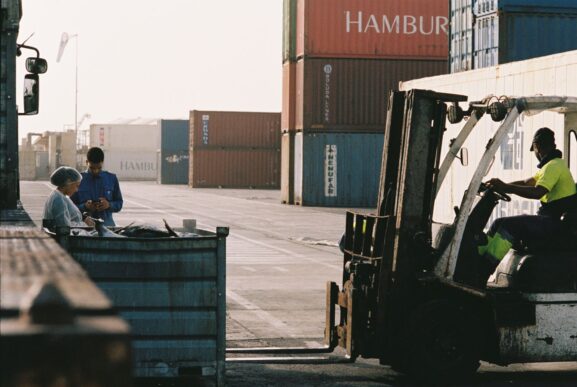
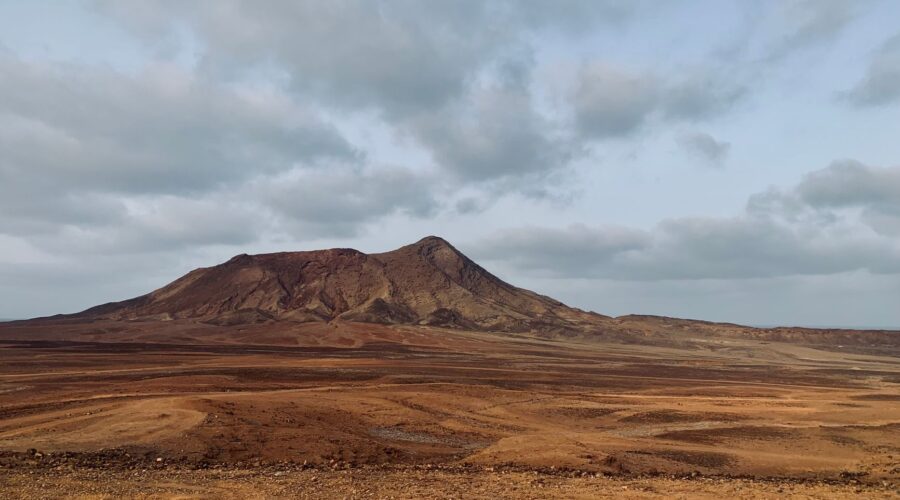
Descending toward the coast, the verdant peaks give way to vast, rocky expanses. These arid slopes represent the true volcanic nature of the island, composed of igneous rocks and pyroclastic debris. The dramatic ocean cliffs, formed by catastrophic debris landslides millennia ago, provide a stark boundary between the land and the Atlantic. The town of Tarrafal de São Nicolau serves as the island’s main port, known for its “medicinal” black sand beaches, which are rich in titanium and iodine and believed by locals to help soothe bone ailments.
Cultural Heritage and the “Sodade” Spirit
São Nicolau is often described as the most “authentic” of the Cape Verdean islands. The colonial influence is visible in the architecture of Ribeira Brava, the island’s capital. With its colorful buildings and narrow streets, the town feels frozen in time, reflecting the era when it was a bustling administrative hub.
The people of São Nicolau, like all Cape Verdeans, trace their ancestry to a mix of West African populations and Portuguese settlers. This blend is most evident in the local language, Cape Verdean Creole (Crioulo), and the island’s music. While Mindelo on São Vicente is often cited as the cultural capital, the soul of the traditional morna and coladeira music runs deep in the valleys of São Nicolau.
Sustainability and the Future
As part of a nation ranked among the most democratic in Africa, São Nicolau is looking toward a sustainable future. Cabo Verde is a leader in renewable energy in sub-Saharan Africa, aiming to generate 50% of its power from renewable sources by 2030. On São Nicolau, this means balancing the growth of eco-tourism with the preservation of its fragile biodiversity.
The island is also at the forefront of the fight against climate change. Being part of the “frontlines of the existential crisis” mentioned by UN Secretary-General António Guterres, São Nicolau benefits from innovative initiatives like the “debt-for-nature swap” signed with Portugal. These funds are used to protect the very mountains and slopes that make the island unique, ensuring that its endemic species and volcanic landscapes survive for future generations.
Travel Tips for São Nicolau
- Getting There: Flights connect São Nicolau to the international hubs of Sal and Santiago (Praia). There are also ferry services, though they are subject to ocean conditions.
- Best Time to Visit: The climate is mild year-round, but the best hiking weather is between November and June. The “rainy” season occurs between August and October, bringing brief but heavy downpours that turn the island incredibly green.
- What to Eat: Don’t miss the cachupa, the national dish of Cape Verde, a slow-cooked stew of corn, beans, and fish or meat. The island is also famous for its high-quality grogue (locally distilled sugarcane rum).
- Language: While Portuguese is the official language, learning a few phrases in Crioulo will go a long way in connecting with the warm and welcoming locals.
Conclusion
São Nicolau is an island for the traveler who seeks depth over distance. It is a place where you can climb through a cloud forest in the morning and walk along a volcanic desert by the afternoon. In the quiet majesty of its mountains and the resilience of its arid slopes, São Nicolau captures the true essence of Cabo Verde: a bridge between the African continent and the vast Atlantic, a land of history, beauty, and enduring spirit.
Image: Pexels – Bibi Kiekens