Largest Cities of Cape Verde: A Guide to Praia, Mindelo & More
Located in the central Atlantic Ocean, the archipelago of Cape Verde (officially Cabo Verde) is a nation defined by its dramatic volcanic landscapes, a blend of African and Portuguese cultures, and a rapidly developing urban scene. While the country is home to approximately 530,000 people spread across ten volcanic islands, the heartbeat of the nation resides in its urban centers. From the bustling administrative hub of Praia to the cultural soul of Mindelo, the largest cities of Cape Verde offer a fascinating glimpse into a resilient nation that has transformed from a strategic colonial outpost into one of Africa’s most stable democracies.
1. Praia: The Vibrant Capital on Santiago
Praia is not only the capital of Cape Verde but also its largest and most populous city. Located on the southern coast of Santiago Island, the country’s largest island, Praia is home to over 137,000 residents. Since becoming the capital in 1770—succeeding the nearby Ribeira Grande (now Cidade Velha) after French attacks—Praia has grown into the political and economic engine of the archipelago.
The city is built on a series of plateaus, known as platôs. The historic center, simply called “Plateau,” sits on a ridge overlooking the Atlantic and houses the Presidential Palace, the neoclassical City Hall, and the 19th-century Pro-Cathedral of Our Lady of Grace. As the seat of government, Praia is where the National Assembly meets and where most foreign embassies are located.
For visitors, Praia offers a cosmopolitan atmosphere far removed from the sleepy beach resorts of other islands. The city’s markets, particularly the Mercado de Sucupira, are a sensory overload of textiles, local crafts, and traditional foods. As a hub for the service-oriented economy, Praia reflects the modern face of Cape Verde—a mix of historic Portuguese colonial architecture and contemporary African urban life.
2. Mindelo: The Cultural and Maritime Soul
If Praia is the head of Cape Verde, Mindelo is undoubtedly its heart. Located on the island of São Vicente, Mindelo is the second-largest city, with a population of approximately 69,000. It is widely regarded as the cultural capital of the islands, famous for its music, nightlife, and vibrant carnival celebrations that rival those of Brazil.
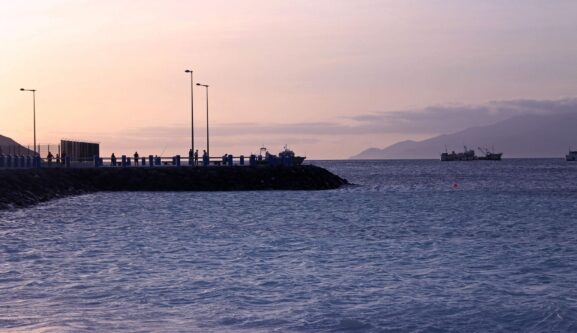
Mindelo’s history is inextricably linked to its deep-water harbor, Porto Grande. Formed within the crater of a submerged volcano, this bay made Mindelo a vital commercial center and shipping stop in the 19th century. In 1832, even Charles Darwin visited the port during his famous voyage on the HMS Beagle. This maritime heritage brought a diverse influx of people and ideas, fostering a unique intellectual and artistic environment.
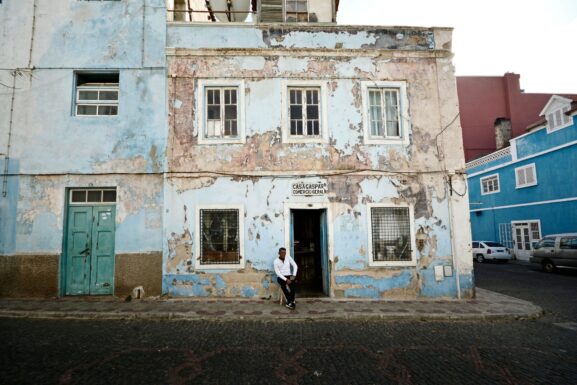
The city was the birthplace of the legendary “Barefoot Diva,” Cesária Évora, who popularized Morna—the soulful, melancholic music that is now a symbol of Cape Verdean identity. Walking through Mindelo’s pastel-colored streets, visitors can hear live music wafting from cafes and see the influence of the British, who once managed the local coaling stations. With its stunning waterfront and sophisticated arts scene, Mindelo remains the most picturesque urban center in the country.
3. Espargos: The Gateway to the Sun
Unlike the centuries-old settlements of Santiago or São Vicente, Espargos, located on the island of Sal, is a city built on modern necessity. With a population of roughly 24,500, it is the third-largest city in the archipelago and serves as the administrative center of Sal.
The name “Espargos” refers to the wild asparagus stalks that grow in the island’s sandy soil. However, the city’s true growth was spurred by the development of Amílcar Cabral International Airport. As Cape Verde shifted its focus toward tourism and international connectivity, Espargos became the vital link between the islands and the rest of the world. While the coastal town of Santa Maria attracts the majority of sun-seeking tourists, Espargos is where the local life of the island happens.
Because Sal is one of the flattest and driest islands in the archipelago, the landscape around Espargos is stark and lunar. The city serves as a logistics hub for the island’s burgeoning tourism industry and the historic salt mines (Pedra de Lume) that once drove the local economy. Today, it stands as a testament to Cape Verde’s ability to build thriving communities even in arid, resource-scarce environments.
4. Assomada: The Crossroads of the Interior
Located in the heart of Santiago Island, Assomada is the fourth-largest city in Cape Verde, with a population of over 21,000. Situated about halfway between Praia and the northern coast, Assomada sits at a high elevation, surrounded by the jagged mountains and green valleys that characterize Santiago’s interior.
Assomada is famous for its market, which is considered one of the most important agricultural trading hubs in the country. Twice a week, farmers from the surrounding mountain villages descend upon the city to sell tropical fruits, vegetables, and livestock. This makes Assomada a vital link between the rural agricultural heartland and the urban coast.
The city also holds significant historical weight; it was a center for the resistance against colonial rule and is the site of the Museus da Tabanka, which celebrates Tabanka—a traditional form of Cape Verdean music and social organization that served as a symbol of cultural defiance. With its cooler mountain air and bustling commercial energy, Assomada offers a different perspective on Cape Verdean life, rooted in the land and the traditions of the Sotavento (leeward) islands.
Urbanization and the Future of Cape Verde
The growth of these four cities reflects the broader trajectory of Cape Verde since its independence in 1975. The country has moved away from the economic stagnation caused by the decline of the slave trade and persistent droughts in the 19th century. Today, these urban centers are at the forefront of the nation’s “success story,” as described by world leaders.
While the islands face challenges from climate change—being ranked among the nations most vulnerable to flooding and sea-level rise—these cities are leading the way in sustainability. Cape Verde currently generates 20% of its energy from renewable sources, with a goal of 50% by 2030. Whether it is the renewable energy projects in Praia or the debt-for-nature swaps recently pioneered by the government, the largest cities of Cape Verde are not just centers of population; they are the testing grounds for a sustainable, democratic, and culturally rich African future.
Practical Information for Travelers
- Official Language: Portuguese is used for administration, but Cape Verdean Creole (Crioulo) is the soul of daily conversation.
- Getting Around: Domestic flights connect the major islands, and ferries run between Praia and Mindelo. In the cities, alugueres (shared taxis/vans) are the most common form of transport.
- Best Time to Visit: The climate is mild year-round, but the “rainy” season (though often dry) occurs between August and October.
Image: Pexels – Carlo Jünemann