Escola de Rendas: Preserving Bobbin Lace in Boa Vista
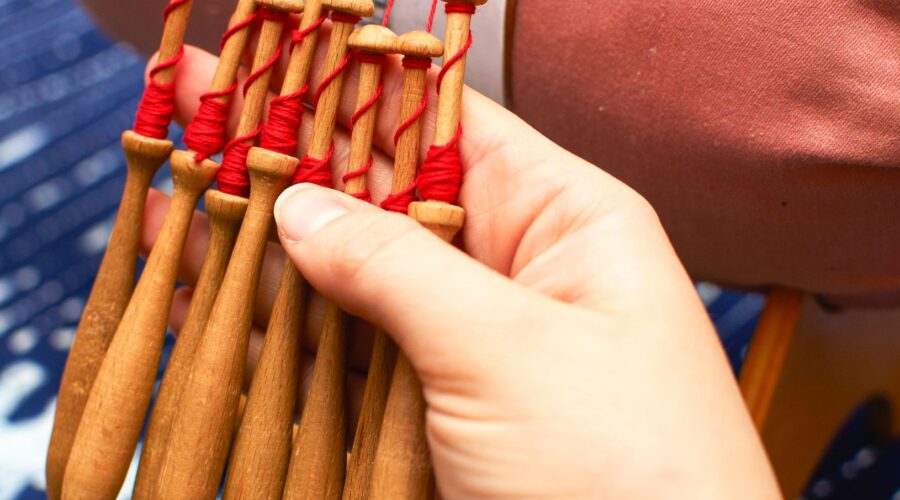
In the quiet, sun-baked streets of Sal Rei and the surrounding coastal villages of Boa Vista, a steady, rhythmic clicking sound often drifts through the salty air. It is the sound of history, patience, and intricate craftsmanship. This is the sound of the bilros—wooden bobbins—dancing in the hands of Cape Verdean women as they weave the legendary bobbin lace of Boa Vista. At the heart of this cultural preservation is the Escola de Rendas de Bilros (School of Bobbin Lace), an institution dedicated to ensuring that one of Cape Verde’s most delicate traditions does not vanish into the dunes of time.
A Thread Through History: The Origins of Bobbin Lace in Boa Vista
The art of bobbin lace (renda de bilros) is not indigenous to the archipelago, but like much of Cape Verdean culture, it is a beautiful fusion of influences. It arrived with the Portuguese during the colonial era, specifically finding a home on the island of Boa Vista. While other islands developed their own specific crafts—such as the woven panos de terra of Santiago—Boa Vista became the undisputed sanctuary for lace.
Historically, this craft was a communal activity. Women would gather on their doorsteps or in shaded courtyards, their fingers moving with lightning speed over a cylindrical pillow (the almofada). It was more than a hobby; it was a social fabric that bound the community together, a way for women to contribute to the household economy while sharing stories and songs. The lace produced was used to adorn altars, traditional dresses, and the linens of the island’s elite.
The Escola de Rendas: A Sanctuary for Craftsmanship
As the 20th century progressed and mass-produced textiles became readily available, the laborious art of bobbin lace began to fade. Recognizing that the knowledge resided in the hands of a dwindling number of elderly “mestras” (masters), the local government and cultural associations established the Escola de Rendas. This school serves as both a workshop and a living museum.
Located in the capital of Sal Rei, the school provides a space where the younger generation can learn the complex geometry of the lace. The process is daunting to the uninitiated: a pattern is pricked into a piece of cardstock, which is pinned to the pillow. Scores of threads, wound around the wooden bobbins, are then twisted and crossed over pins to create the intricate mesh. One mistake can compromise the entire piece, requiring the artisan to undo hours of work.
The Anatomy of the Craft
To understand the importance of the Escola de Rendas, one must understand the tools of the trade, which have remained unchanged for centuries:
- The Almofada (The Pillow): A firm, cylindrical cushion stuffed traditionally with straw or sawdust, providing the base for the work.
- The Bilros (The Bobbins): Small, hand-turned wooden sticks that hold the thread. The weight of the wood provides the tension necessary for the weave.
- The Pique (The Pattern): A parchment or cardstock template with holes pricked into it, acting as the mathematical guide for the lace.
- The Cotton Thread: Usually fine white or cream-colored thread, though modern artisans sometimes experiment with color.
The Survival of a Cultural Identity
The Escola de Rendas does more than just teach a skill; it preserves a piece of the “Morabeza”—the unique Cape Verdean spirit of hospitality and soulfulness. In the coastal villages of Boa Vista, such as Rabil and Bofareira, the lace is a symbol of resilience. Despite the island’s shift toward high-end tourism, the artisans of the school insist on the value of the “slow-made.”
For many women in Boa Vista, the school offers a path to economic independence. The lace produced here is highly sought after by tourists looking for an authentic souvenir that goes beyond a t-shirt or a factory-made trinket. Each doily, table runner, or collar sold at the school helps fund the continued training of apprentices, ensuring the bilros keep clicking for another generation.
The Challenges of Modernity
Despite the success of the Escola de Rendas, the tradition faces significant hurdles. The primary challenge is time. A single small piece of lace can take days or even weeks to complete, making it difficult to price “fairly” in a global market accustomed to fast fashion. Furthermore, the lure of the tourism industry—working in the large all-inclusive resorts that dot Boa Vista’s coast—often pulls young people away from traditional crafts which require years of apprenticeship.
However, there is a burgeoning movement to modernize the application of bobbin lace. Designers are beginning to incorporate Boa Vista lace into contemporary fashion and high-end interior design, moving it from the “grandfather’s cupboard” into the world of luxury goods. The Escola de Rendas has been instrumental in this, hosting workshops that encourage students to think creatively about how the lace can be used today.
Practical Information for Visitors
If you find yourself on the “Dune Island,” a visit to the Escola de Rendas is a must. It offers a stark, beautiful contrast to the sprawling beach resorts.
- Location: The main workshop is located in Sal Rei, the island’s capital. Look for signs near the municipal buildings or the local handicraft center.
- What to Buy: Look for “Renda de Bilros” labels. Small bookmarks and coasters are affordable and easy to transport, while larger tablecloths are true investment pieces.
- Photography: Usually, the artisans are happy to be photographed, but always ask for permission first. Watching their hands move is a mesmerizing experience that no video can truly capture.
Conclusion: The Thread That Binds
The Escola de Rendas de Bilros is more than a vocational school; it is a bridge between the past and the future of Cape Verde. In every flick of the bobbin and every pin placed in the pillow, there is a connection to the women who sat on these same shores a hundred years ago, watching the Atlantic waves and weaving their dreams into thread. For the traveler, purchasing a piece of Boa Vista lace is not just about owning a beautiful item; it is about supporting the survival of a delicate, rhythmic, and profoundly human art form.
Image: Pexels – Vladimír Sládek