Café do Fogo: Searching for Cape Verde’s Rare Volcanic Coffee
In the high-altitude volcanic slopes of Fogo Island, Cape Verde, grows a coffee so rare and distinctive that it has become a cult favorite among connoisseurs globally. Known simply as “Café do Fogo,” this bean is more than just a morning stimulant; it is a liquid representation of a resilient island culture, a unique microclimate, and a history of viticulture and agriculture that dates back centuries.
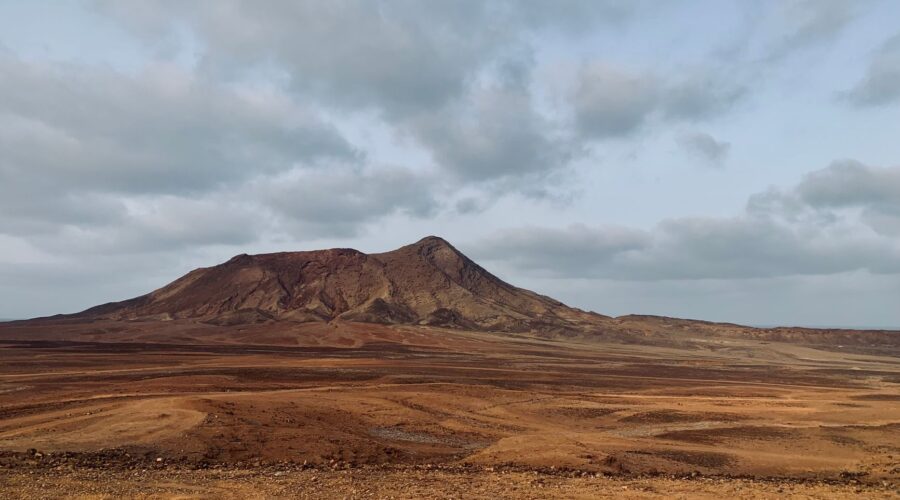
Across the ten islands of the Cape Verdean archipelago, Fogo is the most dramatic. Dominated by Pico do Fogo, an active stratovolcano that rises nearly 3,000 meters above sea level, the island provides a terroir unlike any other in the world. From this ash-rich soil and Atlantic mist emerged what many consider one of the last “pure” coffees on Earth. But what exactly makes Café do Fogo so special? To understand its allure, one must look at the elevation, the heritage, and the painstaking process behind every cup.
High-Altitude Volcanic Terroir
The most significant factor in the quality of Café do Fogo is the environment in which it grows. Most of the coffee is cultivated in the Chã das Caldeiras and the northern slopes of the island, particularly around Mosteiros. These plantations sit at altitudes ranging from 400 to 1,500 meters above sea level.
Volcanic soil is naturally rich in minerals like magnesium, potassium, and calcium, which act as a super-fuel for coffee plants. The porous nature of the volcanic ash allows for excellent drainage, while the high altitude ensures cooler temperatures. This slows down the maturation process of the coffee cherry, allowing more sugars and complex acids to develop within the bean. The result is a cup that is naturally sweet, remarkably smooth, and low in bitterness.
The Heritage of “Puro Arabica”
Cape Verde has a long history of coffee production, introduced by the Portuguese in the 18th century. Unlike many other regions that transitioned to high-yield hybrids or Robusta varieties to combat pests, Fogo has remained largely dedicated to 100% Arabica. Specifically, many of the plants are descendants of the Typica variety, which is considered the “original” specialty coffee.
Because the island is physically isolated, the coffee plants have been shielded from many of the diseases that plague South American and African plantations. This has allowed the genetic profile of Café do Fogo to remain remarkably stable over generations. When you drink Fogo coffee, you are tasting a profile that has changed very little in over 150 years.
The Artisanal, Hand-Crafted Process
On Fogo, industrial farming is impossible. The rugged, steep terrain of the volcanic slopes means that everything—from planting to harvesting—must be done by hand. This traditional approach is a key component of what makes the coffee special.
Sustainable Harvesting
Local farmers, often operating small family plots, practice “selective picking.” This means they only harvest the cherries that are perfectly ripe (bright red), leaving the green ones on the branch for later. This ensures that every bean processed has reached its peak flavor potential, avoiding the astringency found in mass-produced coffees where mechanical harvesters strip the entire branch at once.
Traditional Micro-Roasting
If you visit Fogo, you will likely see “Quintais” (backyards) where coffee is dried in the sun on large wooden trays. Once dried, the beans are often roasted in small batches over open wood fires or in small-scale local roasting facilities. This artisanal roasting method gives the coffee a smoky, earthy undertone that complements its natural fruity and nutty notes.
A Unique Flavor Profile
So, what does Café do Fogo actually taste like? While flavor notes can vary depending on the specific estate and roast level, there are several defining characteristics that drinkers consistently report:
- Mild Acidity: Unlike some East African coffees that are very bright and floral, Fogo coffee is remarkably balanced with a soft, citrus-like acidity.
- Natural Sweetness: It often has notes of caramel, chocolate, and toasted nuts.
- Body: It possesses a medium to full body with a silky mouthfeel.
- Persistence: The aftertaste is clean but long-lasting, often leaving a hint of sweetness on the palate.
The Rarity Factor
One of the reasons Café do Fogo is so prized is its scarcity. Cape Verde is a small nation, and Fogo is a small island. Furthermore, the volcanic eruptions (most recently in 1995 and 2014) have occasionally threatened the plantations. Because the production volume is relatively low compared to giants like Brazil or Ethiopia, the coffee is rarely found in standard supermarkets abroad.
Most of the coffee is consumed locally or sold in specialty boutiques in Sal, Boa Vista, and Lisbon. For coffee enthusiasts, tracking down a bag of authentic Fogo beans is akin to finding a rare vintage of wine. It is a “boutique” product in the truest sense of the word.
Cultural Significance: The “Morabeza” in a Cup
To the people of Fogo, coffee is more than an export; it is a symbol of hospitality and Morabeza—the unique Cape Verdean spirit of openness and kindness. Offering a guest a cup of home-grown coffee is the ultimate gesture of welcome. It is often served black, occasionally with a piece of local goat cheese (Queijo do Fogo) or a slice of “doce de papaia.”
The coffee industry also provides a vital lifeline for the community of Mosteiros. By supporting Café do Fogo, buyers are helping to sustain a traditional way of life that respects the land and celebrates the island’s heritage. In recent years, cooperatives have formed to ensure that farmers receive fair prices, further elevating the coffee’s status as a sustainable, ethical choice.
How to Experience Café do Fogo
If you are planning a trip to Cape Verde, a visit to Fogo is essential for any coffee lover. Here is how to get the most out of the experience:
- Visit Mosteiros: This is the heart of coffee country. You can take guided tours of the “Café do Fogo” plantations and see the plants growing amidst orange and papaya trees.
- Attend the Coffee Festival: Usually held in April, the Festival do Café in Mosteiros celebrates the harvest with music, tastings, and cultural events.
- Buy Directly: Look for the “Coffee of Fogo” seal. Buying directly from local cooperatives ensures your money stays in the community and you get the freshest roast possible.
Conclusion
Café do Fogo is special because it defies the modern trend of mass-produced, homogenized commodities. It is a product of its environment—the ash, the altitude, and the Atlantic breeze. It is a testament to the resilience of the Fogo people, who continue to farm the slopes of an active volcano. For those lucky enough to try it, Café do Fogo offers more than just caffeine; it offers a taste of the raw, beautiful, and unconquerable spirit of Cape Verde.
Image: Pexels – Bibi Kiekens