Renewable Energy & Cape Verde’s Economic Transformation
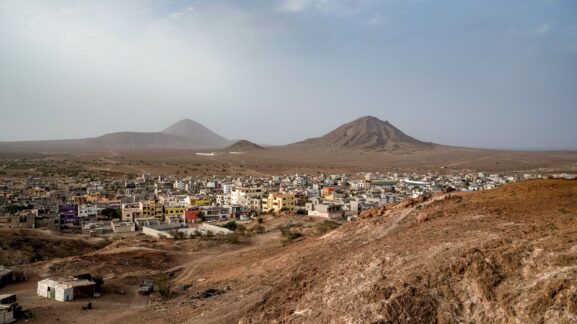
Across the ten volcanic islands that bridge the gap between Africa and the Americas, a quiet revolution is taking place. Cape Verde (Cabo Verde), a nation once defined by its scarcity of natural resources and heavy dependence on expensive imported fossil fuels, is rapidly becoming a global archetype for small island developing states (SIDS) transitioning toward a green economy. With no internal oil reserves and a landscape characterized by dramatic mountains and constant Atlantic breezes, Cape Verde has realized its greatest economic vulnerability—energy—could become its greatest competitive advantage.
The Urgency of the Green Transition
For decades, Cape Verde’s economy was tethered to the volatile price of international oil. Because every liter of diesel used to power the nation’s generators had to be imported by sea, electricity prices in Cape Verde were consistently among the highest in sub-Saharan Africa. This high cost of energy acted as a brake on industrial development, increased the cost of living for families, and placed an enormous strain on the country’s balance of payments.
Furthermore, as an archipelago nation, Cape Verde is on the front lines of climate change. Facing threats of increased desertification and rising sea levels, the government recognized that transitioning to renewable energy was not just an environmental obligation, but a matter of national economic security. The “National Power Sector Master Plan” aims for a bold target: 50% renewable energy penetration by 2030 and a 100% renewable grid by 2040.
Wind Power: The Atlantic’s Constant Gift
Perhaps Cape Verde’s most visible success in the renewable sector is its pioneering use of wind energy. The archipelago is situated in a “wind corridor” where the trade winds blow with remarkable consistency. In 2011, the country launched the “Cabeólica” project—the first commercial-scale, public-private partnership wind farm project in sub-Saharan Africa.
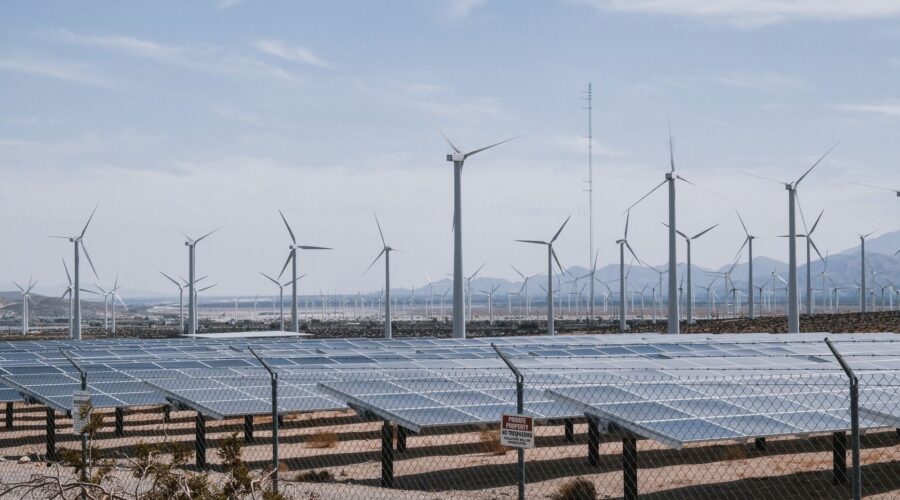
Spanning four islands (Santiago, São Vicente, Sal, and Boa Vista), the 30 wind turbines of Cabeólica have significantly lowered the nation’s carbon footprint. On windy days, these islands sometimes receive over 30% of their total electricity needs from wind alone. For the economy, this translates to millions of dollars saved in avoided fuel imports and a more stable price point for commercial electricity consumers.
Solar Energy: Harnessing the Tropical Sun
With over 3,000 hours of sunshine annually, solar energy is the next logical pillar of the Cape Verdean energy strategy. In recent years, massive solar parks have emerged in Palmarejo (Santiago) and on the island of Sal. However, the real economic shift is occurring at the micro-level.
The government has introduced aggressive tax incentives and “net metering” policies, allowing hotels, factories, and private homeowners to install solar panels and sell excess energy back to the grid. In the tourism sector—the backbone of the Cape Verdean economy—major resorts on Sal and Boa Vista are increasingly utilizing solar thermal systems for water heating and photovoltaic arrays for power, significantly reducing их operating costs and appealing to the growing demographic of eco-conscious international travelers.
The Desalination Connection
One of the most innovative intersections of renewable energy and the economy in Cape Verde is water production. As a water-scarce nation, Cape Verde relies heavily on desalination to provide drinking water. Desalination is an incredibly energy-intensive process. By integrating renewable energy sources directly into water production plants, Cape Verde is “decoupling” its water security from fossil fuel prices. This makes water more affordable for agriculture and domestic use, fostering food security and public health.
Economic Impacts: Beyond the Grid
The transition to renewable energy is doing more than just lighting homes; it is reshaping the Cape Verdean job market and investment landscape.
- Job Creation: The maintenance, installation, and management of renewable infrastructure have created a demand for high-skilled technical labor. Institutions like the University of Cabo Verde (Uni-CV) and CERMI (Center for Renewable Energy and Industrial Maintenance) are training a new generation of local engineers and technicians.
- Foreign Direct Investment (FDI): Cape Verde’s clear regulatory framework for renewables has attracted significant international investment from the World Bank, the African Development Bank, and private European energy firms.
- Digital Economy Growth: Stable and affordable energy is a prerequisite for Cape Verde’s ambition to become a “pilar tecnológico” (tech hub) in the mid-Atlantic. Data centers and tech startups require reliable power, which the green grid is increasingly providing.
Challenges and the Path to 2040
Despite the progress, the road to 100% renewable energy is not without obstacles. The primary challenge is energy storage. Wind and solar are intermittent; the sun doesn’t shine at night, and the wind doesn’t always blow at the same intensity. To reach its 50% and 100% targets, Cape Verde must invest heavily in battery storage systems and “pumped-storage” hydroelectricity—using excess wind power to pump water uphill into reservoirs, then releasing it to generate power when the wind dies down.
Furthermore, the national grid requires modernization to handle a “smart” flow of electricity from various decentralized sources. This modernization requires substantial capital, much of which must come from international climate finance and private partnerships.
A Model for the World
Cape Verde’s journey is being watched closely by other island nations. Its success demonstrates that size and lack of traditional resources are not barriers to energy independence. By leveraging its natural assets—the wind and the sun—Cape Verde is creating a more resilient, self-sufficient, and competitive economy.
For the traveler visiting the volcanic peaks of Fogo or the emerald valleys of Santo Antão, the sight of a wind turbine spinning against the Atlantic blue is a symbol of a nation’s resolve. Cape Verde is proving that the green transition is not just a moral choice, but the most logical pathway to long-term economic prosperity in the 21st century.
Image: Pexels – Kindel Media