The Lidador Spirit: Rituals of Cape Verdean Farewell Morna
In the quiet, salt-crusted ports of Cape Verde, between the rustling palm fronds and the relentless pounding of the Atlantic, lies an invisible emotional architecture. It is built from the memories of departures, the echoes of steamship whistles, and a melodic tradition known as the Morna de Despedida (Farewell Morna). To understand the heart of the Cape Verdean archipelago is to understand the “Lidador” spirit—the stoic resilience of a people forged by cycles of exile and return.
The Gateway of Tears: The Quayside as a Sacred Space
For centuries, the cais (quayside) in Mindelo, Praia, or Sal Rei was more than a logistical hub; it was a stage for the national drama. Cape Verde is a nation defined by migration. With more Cape Verdeans living abroad than on the ten islands combined, the act of “leaving” is a foundational rite of passage. Historically, when a ship like the legendary Lidador—a vessel that became synonymous with the transatlantic journey—docked at the pier, the entire community gathered.
The “Lidador spirit” refers to this collective endurance. Named after the ships that carried thousands to the packet lines of New England, the plantations of Sao Tome, or the docks of Rotterdam, it represents the courage to face the unknown while anchored by an unbreakable psychological cord to the islands. The quayside ritual was rarely a private affair. It was a communal outpouring of morabeza (hospitality/kindness) and sodade (longing).
The Anatomy of the ‘Morna de Despedida’
At the center of these departures was the music. While the Coladeira might celebrate life’s ironies and the Funaná its rhythmic fire, the Morna is the soul’s reflection. The Morna de Despedida is a specific sub-genre—a musical prayer for the traveler and a lament for those left behind.
These songs are characterized by their slow, undulating 4/4 time signature, mirroring the swell of the ocean. Instruments like the cavaquinho (a small guitar-like instrument), the violin, and the acoustic guitar provide a weeping backdrop to lyrics that often speak of the “uncertain hour” and the “cruel sea.”
One cannot discuss the farewell ritual without mentioning the legendary composer B. Léza. His compositions, such as “Eclipse,” captured the metaphysical darkness that descends when a loved one departs. When these songs were performed at the quayside, they functioned as a cathartic release. The music didn’t just express sorrow; it validated the necessity of the sacrifice for the sake of the family’s survival.
The Ritual of the ‘Embrulho’ and the White Handkerchief
Emotional rituals at the quay were often tactile. The embrulho—a small bundle of home-grown goods, dry corn, or sweets—was pressed into the hands of the emigrant. This was a physical piece of the “terra” (land) meant to sustain them in the cold unfamiliarity of Lisbon or Boston.
As the ship pulled away, the visual climax of the Lidador spirit took place: the waving of the white handkerchiefs. This sea of white fabric against the blue of the Atlantic is an image etched into the Cape Verdean psyche. It represented a final, silent conversation—a promise that the departure was merely a “see you later” (até breve) and never a “goodbye” (adeus).
Sodade: The Fuel of the Lidador Spirit
The concept of Sodade (or Saudade in Portuguese) is the emotional fuel that powers the Lidador spirit. It is often described as a “bittersweet longing for something that might never return.” However, in the context of the Cape Verdean departure, it is an active force. It is the reason why emigrants, decades after leaving, continue to send “remessas” (remittances) home to build houses they may only live in during their retirement.
The songs sung at the harbor were a way of “planting” sodade in the traveler’s heart. By ensuring the departure was sufficiently emotional, those remaining ensured the traveler would never truly psychologically leave the islands. The Morna de Despedida served as a navigational beacon, ensuring that no matter how far the Lidador or its modern equivalents traveled, the spiritual compass always pointed back to the volcanic peaks of Fogo or the valleys of Santo Antão.
Modern Departures: From Steamships to Airport Terminals
Today, the physical setting of the farewell has shifted from the salt-sprayed quaysides to the air-conditioned terminals of Nelson Mandela International Airport or Cesária Évora Airport. The Lidador has been replaced by the Boeing 737, and the local string band has often been replaced by WhatsApp calls and Spotify playlists.
However, the “Lidador spirit” remains unchanged. Even in the digital age, the rituals of departure are lingering and intense. It is still common to see three generations of a family escorting a single student or worker to the airport, recreating the communal support system of the old quayside. The Morna de Despedida continues to be played at family dinners the night before a flight, serving the same function it did a century ago: bridging the gap between the pain of separation and the hope of a better future.
Why the ‘Lidador’ Legacy Matters Today
For visitors to Cape Verde, understanding this history provides a window into the local character. When you hear a Morna being performed in a small café in Mindelo, you are not just hearing “island music.” You are hearing the history of a people who have mastered the art of letting go without losing their grip on home.
The Lidador spirit teaches us about resilience. It is a testament to how culture can be used as a tool for survival. The Mornas de Despedida are not just songs of sadness; they are songs of extraordinary strength. They acknowledge that while the sea may divide the body, the music and the shared ritual of the farewell keep the spirit of the archipelago whole, spanning across oceans and generations.
Practical Information for Travelers
If you wish to experience the legacy of the Morna and the Lidador spirit, consider the following:
- Visit Mindelo, São Vicente: Known as the cultural capital, this is the birthplace of many famous Mornas and the home of the most historic quayside rituals.
- Attend a ‘Noite de Morna’: Seek out small, intimate venues where local musicians play acoustic sets. The lack of amplification allows for the emotional nuance of the Farewell Morna to shine.
- Explore the Museu do Mar: Located in Mindelo’s Replica of the Belém Tower, this museum offers insights into the maritime history and the ships like the Lidador that defined the migratory experience.
In the end, the Lidador spirit and the Mornas de Despedida remind us that in Cape Verde, every departure is a seed for a future return. As the old proverb goes, “He who leaves, takes the islands in his heart, and he who stays, keeps the door unlocked.”
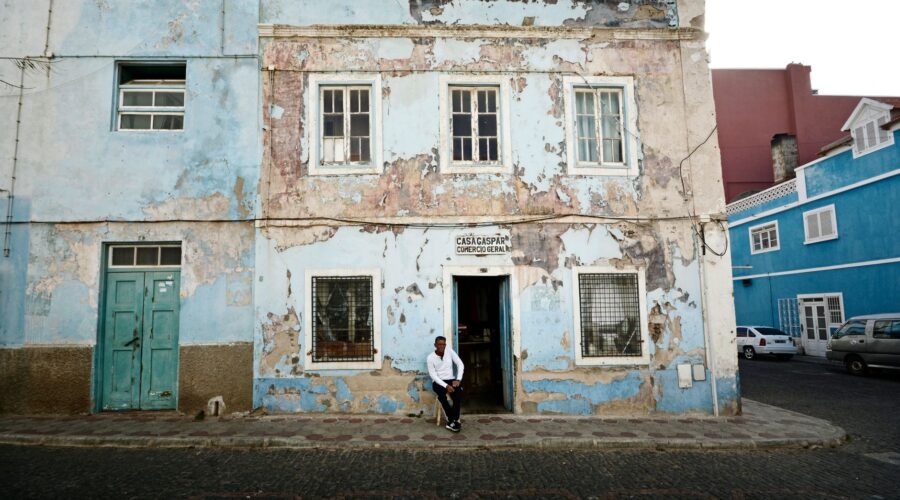
Image: Pexels – damien Saillet