Portugal and Cape Verde to Mediate Guinea-Bissau Crisis
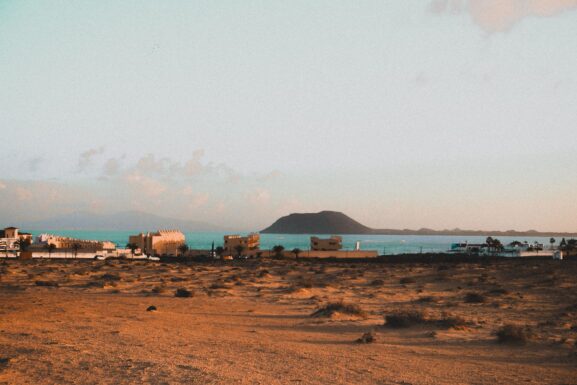
The Presidents of Portugal and Cape Verde have pledged their support in resolving the political crisis in Guinea-Bissau, emphasizing a shared commitment to dialogue over conflict. Speaking at a joint press conference on the island of Boa Vista, the two leaders expressed their desire to be “part of the solution” for the embattled West African nation.
A Unified Front for Stability
Portuguese President António José Seguro, concluding a state visit to the Cape Verdean archipelago, reaffirmed Portugal’s readiness to assist. “From Portugal’s perspective, our availability is always to help,” Seguro stated. He noted that Portugal’s stance aligns with the recent declarations made by the Community of Portuguese Language Countries (CPLP), which has been monitoring the situation closely.
Cape Verdean President José Maria Neves echoed this sentiment, stressing the importance of mobilizing “constructive forces” within the Lusosphere. “What we want is to build, when it is much easier to fuel conflicts,” Neves told reporters. He emphasized that Cape Verde remains open to dialogue with all nations, particularly Guinea-Bissau, to foster regional development and strengthen bilateral ties.
The Crisis in Guinea-Bissau
The diplomatic outreach comes at a critical time for Guinea-Bissau, which has been suspended from the CPLP since December. The suspension followed a military coup on November 26, 2025, which saw the military seize power just three days after national elections and before official results could be announced.
During the upheaval, the military deposed President Umaro Sissoco Embaló and detained opposition leader Domingos Simões Pereira. Pereira was recently moved to preventive detention on July 10, fueling further international concern. While the current military leadership claims the transition is necessary, opposition groups have labeled the coup a “staged” event, accusing the former president of maintaining behind-the-scenes control over the nation’s destiny.
The Road Ahead: Referendums and Elections
The self-styled Military High Command currently governing Guinea-Bissau has outlined a roadmap for a return to constitutional order, though the process remains controversial. A referendum on a new Constitution—which significantly expands the powers of the Head of State—is scheduled for August 30.
General elections are currently slated for December 6. Both Seguro and Neves signaled that the CPLP intends to play an active role in ensuring these transitions lead to long-term stability rather than further fragmentation. “The CPLP has enormous potential on the international stage,” Neves concluded, hoping that continued cooperation will secure a peaceful future for all member states.
Image: Pexels – Antonio Prado