Port of Mindelo: São Vicente’s Atlantic Commercial Hub
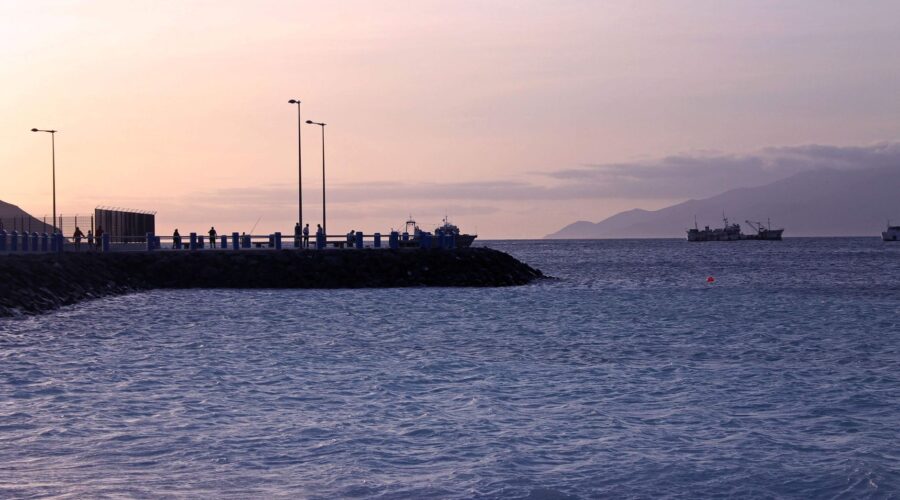
Nestled in the vast expanse of the central Atlantic Ocean, the island of São Vicente serves as a sentinel for one of the most strategic maritime assets in West Africa: the Port of Mindelo. Known officially as Porto Grande, this deep-water harbor has evolved from a quiet volcanic bay into a sophisticated commercial hub, driving the economic engine of the Republic of Cabo Verde.
As Cabo Verde continues to solidify its reputation as one of Africa’s most stable and developed democracies, the transformation of Mindelo stands as a testament to the nation’s ability to leverage its geography. In an archipelago lacking in traditional natural resources, the “blue economy” surrounding São Vicente has become the cornerstone of the country’s mid-Atlantic influence.
A Legacy Forged in the Age of Steam
The history of the Port of Mindelo is inextricably linked to the shifts in global trade. While the southern island of Santiago flourished during the 16th and 17th centuries due to the transatlantic slave trade, São Vicente remained largely overlooked until the mid-19th century. The turning point came with the advent of steamship travel.
Mindelo’s Porto Grande is a natural harbor formed within the submerged caldera of an ancient volcano. Its deep, sheltered waters provided the perfect refuge for the massive coal-powered vessels of the British Empire. By the 1830s, Mindelo had become a vital re-coaling station for ships traversing the routes between Europe, Africa, and South America. It was here that Charles Darwin first set foot during the voyage of the HMS Beagle in 1832, and where diplomat Edmund Roberts marveled at the harbor’s potential.
This “Golden Age” of coal transformed Mindelo into a cosmopolitan melting pot. The influx of British merchants, sailors, and laborers from across the archipelago created a unique cultural identity, fueling the development of the city as the cultural capital of Cabo Verde. Even as oil replaced coal, the port adapted, transitioning into a refueling and ship-repair center that sustained the island through the economic fluctuations of the 20th century.
The Modern Transformation: Infrastructure and Logistics
Today, the Port of Mindelo is no longer just a stopping point for fuel; it is a modern logistics platform. Since Cabo Verde gained independence in 1975, the government has prioritized the modernization of maritime infrastructure to serve as a gateway for the Barlavento (Windward) islands.
Deep-Water Capabilities
Porto Grande remains one of the finest natural harbors in the Atlantic. Recent investments have expanded its container terminal and improved its roll-on/roll-off (Ro-Ro) capabilities. With a quay length of over 1,500 meters and depths reaching up to 12 meters, the port can accommodate large cargo vessels and the growing number of international cruise ships that frequent the Macaronesia ecoregion.
The Cabnave Shipyard
A critical component of Mindelo’s commercial success is the Cabnave shipyard. As one of the few functional dry-dock facilities in the Mid-Atlantic, it provides essential maintenance and repair services for fishing fleets and commercial vessels operating between the Gulf of Guinea and Europe. This facility ensures that São Vicente remains a functional necessity for international shipping lanes rather than just a scenic stop.
Mindelo as a Cultural and Tourism Gateway
While commerce drives the port, tourism is the rising tide lifting the local economy. Mindelo is widely regarded as the “Cradle of Morna,” the soulful musical genre made famous by the legendary Cesária Évora. The port serves as the primary entry point for thousands of tourists who come to experience the Mindelo Carnival—often compared to Rio de Janeiro’s—and the Baía das Gatas music festival.
The proximity of the port to the city center allows cruise passengers to walk directly into the heart of Mindelo, where colonial architecture meets vibrant markets. Furthermore, the port acts as the lifeline to the nearby island of Santo Antão. The daily ferry service from Mindelo to Porto Novo is the only way for travelers to reach the rugged, verdant mountains of Santo Antão, making São Vicente the indispensable hub for regional tourism.
The Blue Economy and Sustainability
In the face of global climate change, Cabo Verde has emerged as a leader in sustainability. As a nation on the “frontlines of the existential crisis,” as noted by UN Secretary-General António Guterres, the Port of Mindelo is integrating greener practices. The country aims to derive 50% of its energy from renewable sources by 2030, and the maritime sector is a key part of this transition.
The “Blue Economy” initiative focuses on sustainable fisheries and marine research. Mindelo is home to the Ocean Science Centre Mindelo (OSCM), a joint venture that positions the port as a global research hub for studying the tropical Atlantic. By combining commercial shipping with scientific excellence, São Vicente is ensuring its relevance for the next century.
Strategic Importance in the 21st Century
Geopolitically, the Port of Mindelo plays a vital role in security. The Cabo Verdean Coast Guard, headquartered in São Vicente, works closely with international partners to combat maritime threats, including illegal fishing and drug trafficking. The success of “Operation Flying Launch” in the mid-2000s demonstrated the archipelago’s commitment to being a secure partner in the Atlantic.
For international investors, the port represents stability. Cabo Verde’s currency, the Escudo, is pegged to the Euro, and the nation’s special partnership status with the European Union provides a level of economic predictability rare in the region. The port is not merely a local asset; it is a critical node in the global supply chain, connecting the Lusophone Commonwealth (CPLP) with West African and European markets.
Practical Information for Visitors and Traders
- Location: Mindelo, São Vicente Island (Barlavento Group).
- Access: Accessible via the Cesária Évora International Airport (VXE), located just 10km from the port.
- Key Industries: Container logistics, ship repair (Cabnave), fish processing, and cruise tourism.
- Climate: Arid and mild, with temperatures averaging 24°C (75°F), making it a year-round operational port.
Conclusion
From the early days of Portuguese explorers to its current status as a democratic lighthouse in Africa, Cabo Verde has always looked to the sea. The Port of Mindelo is the physical manifestation of this maritime destiny. By blending its rich history with modern infrastructure and a commitment to sustainability, São Vicente has successfully transformed a volcanic bay into one of the most important commercial crossroads in the Atlantic. Whether for a cargo ship hauling goods or a traveler seeking the soul of Cape Verdean music, all roads—and sea lanes—lead to Mindelo.
Image: Pexels – Ana Marta Jorge