
Ouro Negro: The Rise of Cape Verde’s Volcanic Wine Export
Nestled in the heart of the Atlantic Ocean, approximately 570 kilometers off the coast of West Africa, lies a landscape that defies expectations. While many travelers associate Cape Verde (Cabo Verde) with turquoise waters and white sandy beaches, the island of Fogo offers a starkly different, almost primordial aesthetic. Here, rising from the literal ashes of an active volcano, comes the “Ouro Negro” (Black Gold) of the Atlantic: Cape Verdean volcanic wine.
In recent years, the international wine community has turned its gaze toward Chã das Caldeiras, a small community living inside the crater of the Pico do Fogo volcano. What was once a local secret—produced for survival and local consumption—has evolved into a sophisticated export industry. Today, these volcanic wines are gracing the tables of high-end restaurants in Lisbon, Paris, and New York, marking the rise of one of the world’s most extreme and rewarding terroirs.
The Crucible of Fogo: Understanding the Terroir
The term “terroir” refers to the environmental factors that give a wine its unique character, including soil, climate, and topography. In Chã das Caldeiras, the terroir is nothing short of miraculous. The vineyards sit at an altitude of approximately 1,700 to 2,000 meters above sea level, nestled within the 9-kilometer-wide caldera of Pico do Fogo.
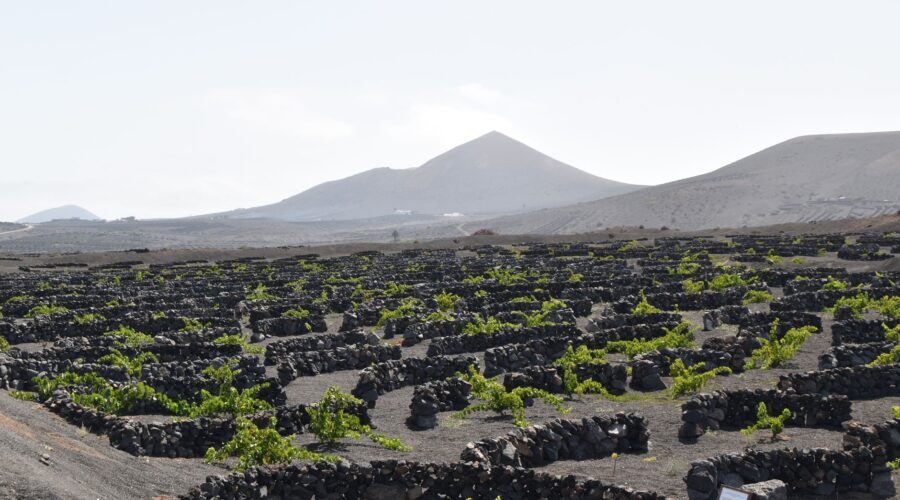
The soil is composed entirely of volcanic ash, lapilli (small volcanic stones), and decomposed lava. This “black earth” is rich in minerals but porous, allowing the rare rainfall to reach deep roots while preventing the plants from rotting. Because the area is so arid, the vines must struggle to survive, a process that winemakers believe concentrates the flavors and sugars within the grapes. The high altitude also provides a significant diurnal temperature swing—hot sunny days followed by cool nights—which preserves the acidity necessary for high-quality wine.
Pre-Phylloxera Heritage
One of the most remarkable aspects of Fogo’s viticulture is that the vines are “ungrafted.” In the late 19th century, a tiny aphid called phylloxera devastated nearly all of Europe’s vineyards. Most European wine today grows on American rootstocks resistant to the pest. However, the isolated, sandy volcanic soils of Fogo acted as a natural barrier. As a result, the vines in Chã das Caldeiras are among the few in the world that remain in their original, ancient state, offering a pure expression of the grape varieties.
A History of Resilience: From Maria Chaves to Modern Cooperatives
Winemaking on Fogo dates back to the late 19th century. Legend attributes the formalization of the craft to a French eccentric known as the Count of Montrond, who stopped on the island en route to Brazil and decided to stay. He introduced new techniques and grape varieties, blending them with the existing Portuguese stock.
For decades, production was fragmented. Families grew grapes on small plots of land (parcelas) and made “vinho caseiro” (homemade wine) for their own use. However, the landscape changed with the formation of the Associação dos Agricultores de Chã (Chã Farmers Association) and the establishment of the Vinicola Maria Chaves. These organizations provided the infrastructure needed to standardize quality, bottle the product professionally, and begin the arduous process of international certification.
The industry’s resilience was put to the ultimate test in November 2014, when Pico do Fogo erupted. The lava flows destroyed the village of Chã das Caldeiras, including the cooperative’s main winery. Many feared the wine industry was buried forever. Yet, in a testament to the Cape Verdean spirit of Morabeza and resilience, the community returned to the crater as soon as the lava cooled. They rebuilt their lives and their cellars, realizing that the very volcano that threatened them was also the source of their livelihood.
The Profile of the “Ouro Negro”
What does “Black Gold” taste like? The wines of Fogo, marketed under brands like Chã and Maria Chaves, are known for their intensity and distinct mineral finish.
The Whites: Pretu and Moscatel
The white wines, often made from the Moscatel variety, are surprisingly crisp despite the African sun. They often exhibit notes of tropical fruits, citrus, and a unmistakable “flinty” or smoky undertone derived from the volcanic soil. They are highly aromatic and pair perfectly with the fresh seafood of the archipelago.
The Reds: Passito and Fogo Red
The red wines are typically robust and full-bodied. The “Vinho do Fogo” red is often made from the Pretu grape (a local variation of the Portuguese Castelão). These wines are dark, with notes of dark chocolate, sun-dried berries, and a peppery spice. One of the most sought-after exports is the Passito—a sweet dessert wine made from sun-dried grapes, offering a concentrated explosion of flavor that rivals the world’s best straw wines.
Global Recognition and the Export Boom
The rise of Cape Verdean wine on the global stage is not an accident. It coincides with a growing global trend among oenophiles for “volcanic wines.” Regions like Sicily’s Mount Etna, the Canary Islands, and the Azores have paved the way for a niche market that values mineral-driven, high-altitude wines over mass-produced varieties.
International sommeliers have begun to recognize Chã das Caldeiras as a top-tier terroir. Cape Verdean wines have recently won awards at international competitions in Europe, and export volumes to Portugal, the United States, and Germany are steadily increasing. For a small island nation, wine has become a vital “niche export” that promotes the Cape Verdean brand as one of quality and luxury, rather than just a destination for low-cost sun tourism.
Sustainable Tourism: Visiting the Crater
For the traveler, the wine of Fogo offers an immersive experience. Ecotourism in Chã das Caldeiras is growing, with visitors hiking the volcano during the day and retiring to local “pousadas” (guesthouses) in the evening to sample the local vintage. The “Wine Route” of Fogo allows tourists to visit the vineyards, see the vines growing out of the black ash, and meet the farmers who maintain this extreme viticulture.
This tourism is vital for the local economy. Buying a bottle of wine in the crater ensures that the residents of Chã das Caldeiras can continue to live in their ancestral home, preserving a unique cultural landscape that is currently on the UNESCO World Heritage tentative list.
Conclusion: The Future of Fogo’s Vineyards
The “Ouro Negro” of Cape Verde is more than just a beverage; it is a liquid history of the Atlantic. It tells a story of volcanic fire, colonial exchange, and the indomitable will of the Cape Verdean people. As the world becomes increasingly interested in authentic, terroir-driven products, the wines of Chã das Caldeiras are poised to become one of the most prestigious exports of the African continent.
Whether you are a seasoned wine collector or a curious traveler, a glass of Fogo wine offers a taste of something truly rare: the ability of life to flourish, and even excel, in the face of nature’s most destructive forces. As they say in Cape Verde, “Fogo é terra de vinho” (Fogo is the land of wine)—and the world is finally starting to listen.
Image: Pexels – Arnika Jesiolowski