ECDC: Low Risk to Europe After Fatal Cruise Ship Hantavirus
The European Centre for Disease Prevention and Control (ECDC) has classified the risk to the general European public as “very low” following an outbreak of severe acute respiratory disease on a cruise ship currently anchored off the coast of Cape Verde.
Fatal Outbreak at Sea
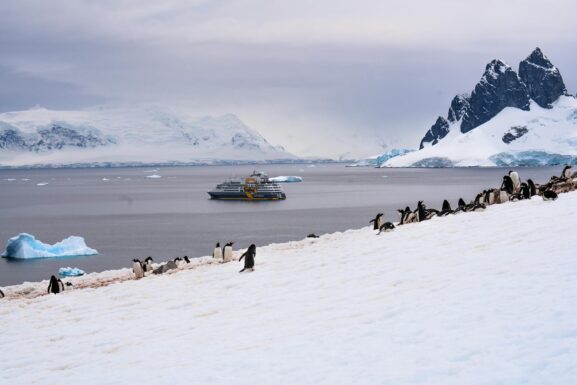
The Dutch-flagged vessel, the Hondius, was traveling a route from Ushuaia, Argentina, to the Canary Islands. The ship had recently made several stops in the South Atlantic for wildlife observation tourism. There are currently 147 people on board.
Tragedy struck during the voyage, with three passengers confirmed dead and a fourth person left in serious condition. Additionally, two crew members—including a Portuguese citizen who has not yet requested diplomatic assistance—are exhibiting fever and respiratory symptoms.
Hantavirus Confirmed
Laboratory testing has confirmed that at least one of the cases was caused by a hantavirus. Health authorities are conducting further investigations to identify the specific strain and the exact source of the infection. While hantaviruses are typically transmitted from animals to humans through contact with infected rodent waste or saliva, certain strains found in South America, such as the Andes virus, are known to spread between humans.
Despite the severity of the illness on board, the ECDC remains confident that the risk of a wider outbreak in Europe is minimal. “Appropriate infection prevention and control measures are being taken on board,” the agency stated, noting that most hantaviruses do not easily transmit from person to person.
Ongoing Safety Measures
Hantavirus pulmonary syndrome, which can be caused by various strains found in the Americas, is characterized by sudden fever followed by acute respiratory failure. Because the infection is often contracted in enclosed or poorly ventilated areas where rodent particles are present, the crew is currently implementing protocols to reduce any further environmental risk.
The ECDC is monitoring the situation closely, maintaining contact with the World Health Organization (WHO) and national public health authorities to assess any potential implications for European ports and residents. At this time, the ship remains isolated off the Cape Verde coast as epidemiological assessments continue.
Image: Pexels – Lahzeha🌿