Consumer Protection Risks in African Lusophone Countries
Consumers in Portuguese-speaking African countries (PALOP) remain dangerously unprotected, facing risks ranging from expired food to explosive gas cylinders, according to the International Organization of Portuguese-Speaking Consumer Associations (Consumare).
Speaking ahead of the “Consumption with Dignity and the Right to Restart” international conference in Lisbon, Graça Cabral, vice-president of Consumare, warned that the region’s consumers are “not even remotely” well-protected. Cabral, who also represents the Portuguese Association for Consumer Protection (DECO), highlighted a staggering gap between legislative promises and the reality on the ground.
A Patchwork of Protection
While most Lusophone nations have some form of “base law” for consumer rights, the level of enforcement varies wildly. Cabral pointed to Cape Verde as a regional leader with a consolidated legal framework. In contrast, heavyweights like Angola and Mozambique remain “giant steps behind.”
The situation is even more dire in other nations. “Guinea-Bissau does not yet even have a base law for consumer protection,” Cabral noted. Meanwhile, she described the legal situation in São Tomé and Príncipe as stagnant: “They have had a law for 10 years, but it has not yet left the paper.”
Life-Threatening Risks and Informal Markets
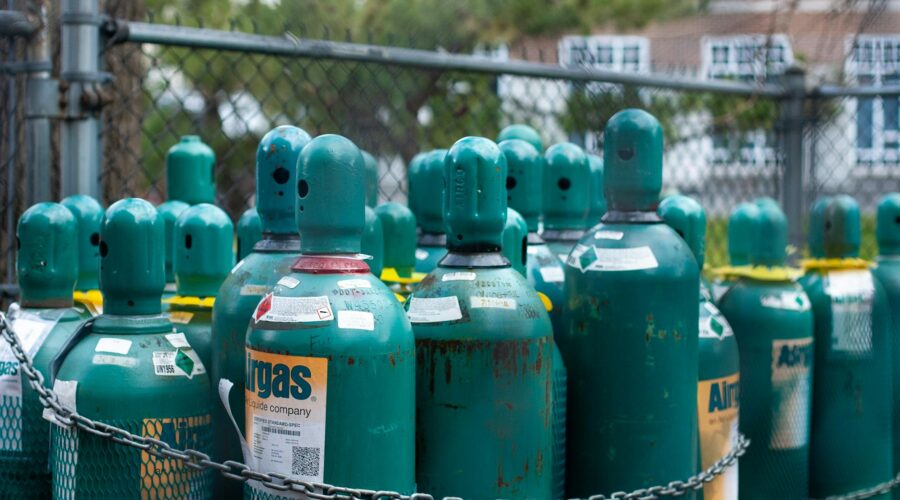
The lack of oversight translates into immediate physical danger. Cabral cited the sale of domestic gas cylinders in Angola as a “concrete and extraordinarily dangerous” example. These cylinders are frequently sold dented, punctured, and decades past their expiration dates, often accompanied by rotten hoses and faulty regulators.
Beyond physical safety, basic transparency is missing. In several African countries, products reach shelves without expiration dates or labels in the official language. These issues are exacerbated by the dominance of the informal economy. Without formal receipts, consumers have zero recourse when products fail or cause harm.
“When a consumer buys a product, they need to know the price, they need basic information on a label, and they need a purchase receipt,” Cabral stated, emphasizing that the Lusophone consumer remains the “weakest link” in the economic chain.
Dignity and the “Right to Repair”
The upcoming conference in Lisbon aims to address these vulnerabilities, focusing on essential public services—including water, electricity, and telecommunications—as well as banking and debt.
However, the debate will also highlight areas where Lusophone countries outpace Europe: sustainability. Cabral noted that the “right to repair” and the circular economy are already deeply ingrained in African Lusophone cultures out of necessity.
“It is much easier to see the secondary use of food leftovers, the repair of an appliance or a car, or the purchase of second-hand clothing as a common act of consumption,” she said. The conference seeks to build on these sustainable practices while demanding that governments finally provide the legal safety nets their citizens deserve.
Image: Pexels – Daniil Prikhno