Cape Verde’s Debt-for-Nature Swap: A Climate Finance Model
Introduction: A New Frontier in Climate Finance
In the vast expanse of the central Atlantic, the ten volcanic islands of Cape Verde (officially Cabo Verde) are charting a course that could redefine how developing nations manage both their sovereign debt and the looming threat of climate change. Faced with the dual pressures of a service-oriented economy and a geography highly vulnerable to rising sea levels and desertification, the archipelago has entered into a groundbreaking “Debt-for-Nature Swap” with its former colonial administrator, Portugal. This innovative partnership, announced in 2023, involves the forgiveness of €140 million in debt in exchange for a commitment to invest in environmental and climate resilience projects.
The Mechanics of Innovation: How the Swap Works
A debt-for-nature swap is a financial mechanism where a portion of a developing nation’s foreign debt is forgiven or reduced in exchange for local investments in environmental conservation and climate action. In the case of Cabo Verde, the agreement with Portugal is particularly significant as it represents one of the first major swaps of its kind in Africa. Instead of sending interest and principal payments to Lisbon, the Cabo Verdean government will now channel those funds into a specialized national climate fund. This fund is dedicated to accelerating the country’s energy transition and protecting its unique, endogenously rich biodiversity.
A History Focused on Resilience
To understand the importance of this deal, one must look at Cabo Verde’s history. Since gaining independence from Portugal in 1975, the country has evolved into a stable representative democracy—often cited as one of the most developed and democratic nations in Africa. However, the islands have long struggled with a lack of natural resources. Historically, the islands suffered from persistent droughts that led to massive emigration; today, a larger Cabo Verdean diaspora lives in the United States and Portugal than on the islands themselves. This history of overcoming environmental adversity makes the current push for climate investment a natural evolution of the Cabo Verdean spirit.
Why Cabo Verde? The Climate Urgency
Despite being a minimal contributor to global greenhouse gas emissions, Cabo Verde sits on the “frontlines of the existential crisis,” as noted by UN Secretary-General António Guterres during a 2023 visit. The archipelago is part of the Macaronesia ecoregion and lies within the Sahelian semi-arid belt. Its geography creates a precarious balance:
- Water Scarcity: Most islands receive less than 250 mm of annual rainfall, making water security a constant concern.
- Rising Sea Levels: In 2011, Cabo Verde was ranked as the eighth most endangered nation globally due to potential flooding from climate change.
- Biodiversity at Risk: The islands host unique species like the Alexander’s swift and the Cape Verde giant gecko, which are threatened by habitat loss and changing weather patterns.
By swapping debt for climate action, Cabo Verde is securing the funds necessary to protect its coastal cities—like the capital, Praia, and the commercial hub, Mindelo—from these mounting threats.
Strategic Goals: Energy and Conservation
The primary objective of the debt-for-nature fund is to fuel Cabo Verde’s ambitious renewable energy goals. The nation is already a leader in sub-Saharan Africa, with 20% of its energy coming from renewable sources. The government aims to increase this to 50% by 2030. These investments will likely focus on:
1. Wind and Solar Expansion
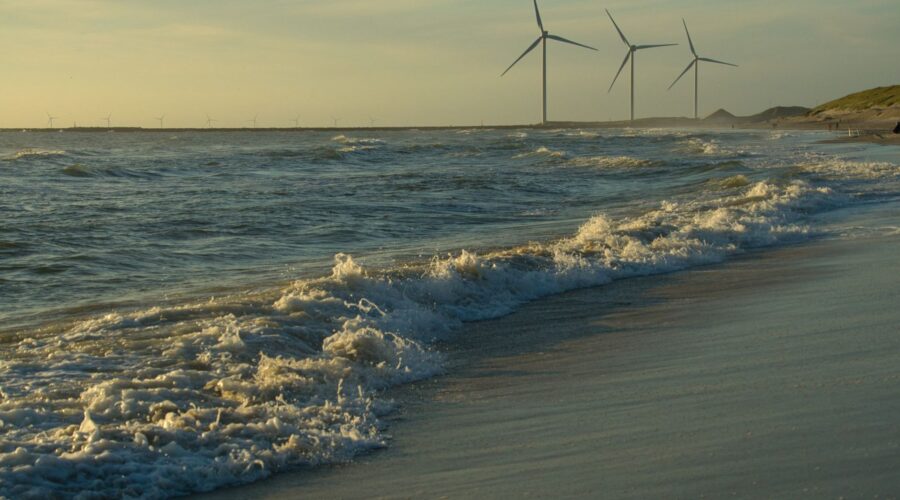
Given the constant trade winds (the Barlavento or “windward” islands are named for them) and intense Atlantic sunshine, the islands have immense potential for wind and solar farms.
2. Desalination and Reforestation
With arable land accounting for less than 2% of the territory, climate funds are vital for solar-powered desalination plants and reforestation efforts. Notably, forest cover has already increased from 15,380 hectares in 1990 to over 45,000 hectares in recent years—a trend the swap aims to accelerate.
The Global Significance: A Model for the Future
The partnership between Portugal and Cabo Verde serves as a diplomatic and economic blueprint. For Portugal, it fulfills international climate finance commitments while strengthening ties with a key member of the Lusophone Commonwealth (CPLP). For Cabo Verde, it provides fiscal breathing room, allowing the government to focus on its “service-oriented” economy and growing tourism sector without the crushing weight of foreign debt.
As middle-income and developing nations struggle with the high cost of borrowing and the increasing costs of climate adaptation, Cabo Verde’s success story provides hope. It demonstrates that with political will and international cooperation, the “green cape” can live up to its name—fostering an environment where economic stability and ecological preservation go hand in hand.
Conclusion: Sailing Toward Sustainability
Cape Verde has come a long way from its 15th-century origins as a strategic maritime stopping point. Today, it is a pioneer in the global effort to align finance with the needs of the planet. The €140 million debt-for-nature swap is more than just a financial transaction; it is an investment in the survival of an island nation and a testament to the power of innovative diplomacy. As the world watches, Cabo Verde is proving that even the smallest nations can lead the way toward a more resilient and sustainable future.
Image: Pexels – Christian Himmel