7 Best Hidden Beaches in Cape Verde: Beyond the Resorts
Cape Verde, a sun-drenched archipelago floating in the Atlantic Ocean off the coast of Senegal, is no longer the world’s best-kept secret. Travelers flock to the expansive white sands of Sal and Boa Vista to enjoy world-class resorts and turquoise waters. However, for those willing to venture beyond the all-inclusive buffet lines and the popular beach clubs, Cabo Verde offers a different kind of magic.
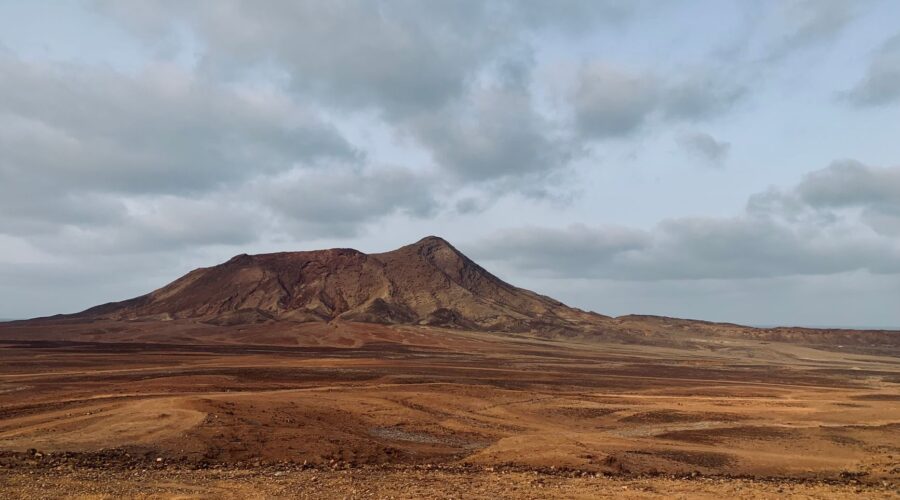
The archipelago is composed of ten volcanic islands, each with a distinct personality. While some are desert-like and flat, others are rugged, mountainous, and dramatic. This geographical diversity has created tucked-away coves, black sand volcanic shores, and desolate stretches of coastline that remain largely untouched by mass tourism. If you are looking to trade the crowds for the sound of crashing waves and complete solitude, here are the best hidden beaches in Cape Verde.
1. Praia de Santana, Santiago Island
Santiago is the largest and most culturally diverse island in the chain, but most visitors stick to the capital, Praia, or the historic Cidade Velha. To find one of the island’s most serene escapes, you must head to the northeast coast near the town of Porto Formoso.
Praia de Santana is a crescent of golden sand framed by dramatic coconut palms and a rocky islet just offshore. What makes it “hidden” is its relative lack of infrastructure; you won’t find rows of sunbeds here. Instead, you’ll likely share the beach with a few local fishermen. The water is crystal clear and generally calmer than on the windward sides of the island, making it a perfect spot for a quiet swim and a picnic under the palms.
2. Ponta do Sol (The Wild Coast), Santo Antão
Santo Antão is famous as a hiker’s paradise, jagged with emerald green peaks and deep ravines (ribeiras). Because the coastline is so steep, traditional “sandy” beaches are rare, which makes the ones that do exist feel like a true discovery.
Near the northernmost town of Ponta do Sol, if you follow the coastal hiking trails toward Cruzinha, you will encounter small, unnamed pockets of black volcanic sand and pebble coves. These aren’t your typical “lay down for eight hours” beaches; they are wild, atmospheric spots where the Atlantic’s power is on full display. The contrast between the charcoal-colored sand, the white sea foam, and the towering green cliffs above is a photographer’s dream.
3. Praia de Curral Velho, Boa Vista
Boa Vista is famous for the Santa Monica beach, but because that beach is so vast, it naturally draws the most attention. For a truly “off the map” experience, you need a 4×4 vehicle to reach the southern tip of the island to visit Curral Velho.
Curral Velho is a ghost village, abandoned due to the encroachment of the desert and lack of water. Just beyond the ruins lies a desolate, hauntingly beautiful beach. With zero light pollution and no buildings in sight, it feels like reaching the end of the world. The nearby salt pans often attract migratory birds, including the rare magnificent frigatebird, adding a touch of wildlife wonder to the isolation.
4. Baía das Gatas, São Vicente
While Mindelo is the cultural heartbeat of Cape Verde, its nearby beaches can get crowded on weekends. However, if you head to the eastern side of São Vicente, you will find Baía das Gatas. While well-known to locals—especially during the famous music festival in August—for the rest of the year, it remains a tranquil lagoon.
What makes this hidden gem special is its natural containment. A ridge of rocks protects the bay from the strong Atlantic swells, creating a giant, shallow natural swimming pool. The water is still, clear, and safe for families. If you walk further along the coast away from the main village area, you can easily find your own private stretch of sand overlooking the shadow of Santa Luzia on the horizon.
5. Praia de Batel, Maio
Maio is perhaps the most underrated island in the entire archipelago. It is flat, sandy, and moves at a pace that makes “slow living” look like a sprint. While the main beach in Vila do Maio is beautiful, those looking for true seclusion should head to Praia de Batel.
Located on the southwest coast, Batel is a long, sweeping stretch of fine sand where the only footprints you see will likely be your own. The island of Maio is a major nesting site for Loggerhead sea turtles; if you visit between July and October, you might even see evidence of nesting sites (though it is vital to keep a respectful distance and use a certified guide for night tours).
6. Praia de Galé, Sal
Sal is the most tourist-heavy island, but even here, you can escape the crowds if you know where to look. While everyone else is at Santa Maria, head toward the west coast, north of Fontona.
Praia de Galé is characterized by its unique geological formations. The “beach” is a series of low limestone cliffs and fossilized dunes that have been carved by wind and sea into strange, otherworldly shapes. Between these formations are small, sandy inlets. It is a fantastic spot for those who enjoy beachcombing and exploring tide pools, offering a stark, quiet contrast to the bustling resorts just a few kilometers away.
7. The Secret Coves of Brava
Brava is the smallest inhabited island and the hardest to reach, as it is only accessible by ferry from Fogo. Known as the “Island of Flowers,” it is steep and rugged. There are almost no traditional beaches here, which makes the swimming spot at **Fajã d’Água** so special.
While it is more of a coastal inlet than a sandy beach, the natural volcanic pools at Fajã d’Água allow you to swim in the ocean while being protected from the fierce waves. Surrounded by towering cliffs and leaking greenery, it is one of the most picturesque and isolated swimming holes in the Mid-Atlantic.
Practical Tips for Exploring Hidden Beaches
Exploring the remote corners of Cape Verde requires a bit of preparation. Here are a few things to keep in mind:
- Transportation: On islands like Boa Vista and Sal, a 4×4 vehicle is essential for reaching hidden spots. On Santiago or Santo Antão, you may need to rely on a mix of alugueres (shared minivans) and hiking.
- Safety: The Atlantic Ocean can be powerful. Many hidden beaches do not have lifeguards, and “hidden” often means no one is around to help. Always check the strength of the current and the height of the waves before jumping in.
- Supplies: Hidden beaches rarely have bars or restaurants. Always pack more water than you think you’ll need, as the Cape Verdean sun is intense.
- Leave No Trace: These beaches remain beautiful because they are untouched. Take all your trash back with you and respect the local flora and fauna.
Conclusion
The true heart of Cape Verde is found in the “Morabeza”—the spirit of hospitality—and the rugged, untamed beauty of its landscape. While the famous beaches of Sal and Boa Vista are undeniably stunning, the hidden coves of Santiago, the volcanic pools of Brava, and the silent dunes of Maio offer a deeper connection to this unique island nation. For the adventurous traveler, these hidden gems provide a rare luxury: the chance to stand on a piece of paradise all by yourself.
Image: Pexels – Bibi Kiekens