Santa Luzia: Cape Verde’s Only Uninhabited Major Island
Nestled within the Barlavento (windward) group of the Cape Verde archipelago lies a pristine mystery of the Atlantic: Santa Luzia. While its neighbors like São Vicente and Sal buzz with the music of Cesária Évora and the footsteps of international tourists, Santa Luzia remains a silent sentinel. Spanning approximately 35 square kilometers, it holds the unique distinction of being the only major island in Cape Verde that is entirely uninhabited by humans.
A Brief History of Human Presence
Unlike most of the Cape Verdean islands, which were settled shortly after their discovery by Portuguese and Genoese navigators in the mid-15th century, Santa Luzia has always struggled to sustain a permanent population. Throughout the 18th and 19th centuries, small groups of shepherds and farmers attempted to call the island home, tending to small herds of goats and cattle. However, the island’s harsh geography and the persistent lack of freshwater sources eventually forced these settlers to abandon their efforts.
By the mid-20th century, the island was officially left to nature. Today, the only remnants of human history are the crumbling ruins of small stone houses and a tiny chapel. Occasionally, fishermen from nearby Mindelo (São Vicente) or São Nicolau visit the island’s shores, staying in temporary camps to dry their catch, but the island’s permanent residents are strictly of the wild variety.
The Ecological Treasure of a Natural Reserve
In 1990, recognizing the island’s unique ecological value, the Cape Verdean government declared Santa Luzia and its surrounding islets (Ilhéu Branco and Ilhéu Raso) a protected Nature Reserve. Free from the urban development and light pollution that affect the more populous islands like Santiago or Sal, Santa Luzia has become a vital sanctuary for biodiversity.
A Haven for Rare Birds and Reptiles
The island is a critical breeding ground for several endemic species. Because Cape Verde is part of the Macaronesia ecoregion, its isolation has allowed for the evolution of species found nowhere else on Earth. Ornithologists frequent the area to observe the Cape Verde Shearwater and the occasional Alexander’s Swift. The nearby islets are even more exclusive, hosting the critically endangered Raso Lark.
Under the sand and rock, the island is a stronghold for various reptiles, including the Santa Luzia skink and several species of geckos that flourish in the undisturbed volcanic terrain. Perhaps most importantly, the island’s secluded beaches—particularly the stunning Praia de Francisca—serve as vital nesting sites for Loggerhead sea turtles (Caretta caretta).
Geography: A Lunar Landscape in the Atlantic
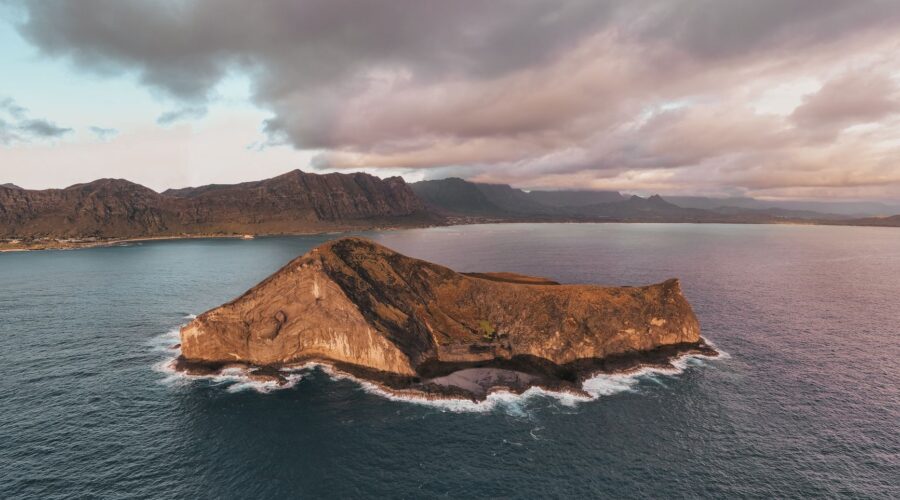
Visually, Santa Luzia feels like another world. Its terrain is dominated by a rugged mountain range that runs through its center, with the highest point, Topona, reaching 395 meters above sea level. The northern coast is characterized by dramatic cliffs carved by the relentless Atlantic surf, while the south and east offer vast, rolling sand dunes and white-sand beaches that rival any in the world.
The climate is quintessential “Cabo Verde”—arid and windy. As part of the Barlavento group, it receives very little rainfall, often less than 100mm per year. This aridity is what kept humans away, yet it is also what has preserved the island’s raw, prehistoric beauty.
How to Visit Santa Luzia
Visiting Santa Luzia is not for the faint of heart or those seeking luxury resorts. Because it is a protected nature reserve, access is restricted, and visitors must satisfy specific requirements to step on its shores.
- Permission: Visitors usually need to coordinate with the Direção Nacional do Ambiente (National Directorate of Environment) or join an authorized scientific or ecological tour.
- Transport: There are no ferries to Santa Luzia. The only way to reach the island is by chartering a fishing boat (typically a traineira) or a private yacht from the harbor of Mindelo on São Vicente. The crossing can take two to five hours, depending on the boat and the often-turbulent Atlantic swells.
- Preparation: There are no facilities on the island—no water, no electricity, and no shops. Anyone visiting must bring every drop of water and morsel of food they intend to consume, as well as high-quality sun protection for the shadeless landscape.
The Future: Balancing Conservation and Tourism
As Cape Verde’s economy shifts more toward tourism, the government faces a delicate balancing act with Santa Luzia. While there is a growing interest in “blue tourism” and eco-trekking, the fragility of the island’s ecosystem means that large-scale human presence could be catastrophic for the nesting turtles and endemic birds.
For now, Santa Luzia remains a “forbidden” paradise—a place where the wind tells the only stories and the footprints on the sand are more likely to belong to a turtle than a traveler. It stands as a powerful reminder of what the Cape Verdean archipelago looked like when the first Portuguese explorers arrived in 1456: a wild, volcanic, and untouched frontier in the heart of the ocean.
Essential Facts for the Curious Traveler
| Feature | Detail |
|---|---|
| Status | Uninhabited / Integral Nature Reserve |
| Highest Point | Topona (395m) |
| Nearest City | Mindelo, São Vicente |
| Wildlife Highlights | Loggerhead Turtles, Cape Verde Skink, Shearwaters |
Image: Pexels – Jess Loiterton