Guinea-Bissau Constitutional Crisis: Referendum & Power Shift
Guinea-Bissau is hurtling toward a high-stakes constitutional referendum on August 30, leaving the nation’s political class fractured between those campaigning for a “yes” vote and opposition groups calling for a total boycott of the polls.
A Push for Presidential Power
The referendum, organized by the National Transition Council (CNT), seeks to ratify a new Constitution that would significantly reshape the country’s power structure. A central feature of the proposal is a move to grant more power to the President of the Republic while slashing the number of members of parliament from 102 to 61.
The military seized power in November 2025, interrupting a general election process before results could be announced. While the junta claims the new Constitution will bring “peace and order,” the opposition has denounced the entire process as a power grab designed to benefit deposed President Umaro Sissoco Embaló, who was seeking a second term at the time of the coup.
Campaigning in the Shadows
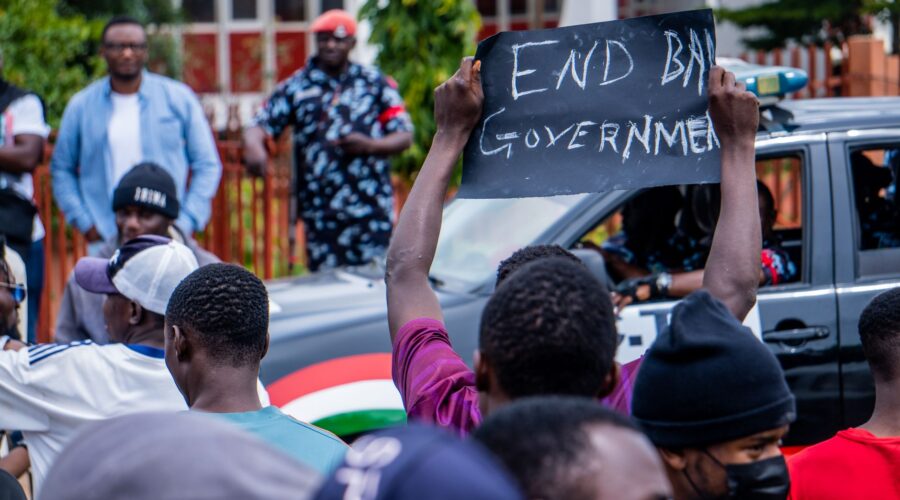
With opposition parties barred from holding public rallies or meeting at their headquarters, the political battle has shifted to social media. Platforms like Facebook and TikTok have become the primary battlegrounds for both government propaganda and resistance messaging.
Figures linked to the military government, such as José Carlos Monteiro, the former Secretary of State for Public Order, have been touring rural areas to drum up support. “With the new Constitution, to be a deputy, you will have to sweat a lot,” Monteiro told villagers in the east, framed as a move toward greater accountability.
Conversely, the African Party for the Independence of Guinea and Cape Verde (PAIGC) and the Party for Social Renewal (PRS) are utilizing digital platforms to urge a boycott. These groups argue that the referendum is illegitimate, born from what they describe as a “staged palace coup.”
Allegations of Military Intimidation
Tensions are rising as reports surface of meetings between the military high command and rank-and-file soldiers. While the government claims these meetings are strictly to coordinate security for the vote, the opposition views them as a tactic to intimidate the armed forces into supporting the new Fundamental Law.
The logistics of the vote have also sparked controversy. Only citizens currently residing within Guinea-Bissau—roughly 914,428 voters based on the 2023 census—will be allowed to participate. The vast Guinean diaspora has been excluded from the process.
A Prelude to December Elections
This constitutional vote serves as a volatile lead-up to general and presidential elections currently scheduled for December 6. Whether those elections will be seen as free or fair remains a point of deep international concern.
Editor’s Note: Coverage of these events is being conducted remotely, as the Lusa news agency delegation in Guinea-Bissau remains suspended following the government’s expulsion of Portuguese media outlets in August 2025.
Image: Pexels – Dokun Ayano