Portuguese PM Attends Presidential Inauguration in São Tomé
Portuguese Prime Minister Luís Montenegro joined international leaders in São Tomé today for the inauguration of re-elected President Carlos Vila Nova, signaling a renewed commitment to strengthening ties between Lisbon and its former colony.
Strengthening Diplomatic Bonds
Montenegro arrived in the capital city on Wednesday evening for a whirlwind visit intended to reaffirm Portugal’s diplomatic priorities. According to the Prime Minister’s office, the trip serves as a platform to “take full advantage of the potential for cooperation between the two countries” and underscores the strategic importance Portugal places on the Community of Portuguese Language Countries (CPLP).
The visit also carries broader geopolitical weight as Portugal prepares for its mandate as a non-permanent member of the UN Security Council, beginning in January 2027. Discussions between the two leaders are expected to cover regional stability and international security matters of mutual interest.
A Gathering of Regional Leaders
The formal inauguration took place at the National Assembly of São Tomé and Príncipe. Montenegro was joined by a notable roster of African heads of state, including Teodoro Obiang of Equatorial Guinea, Félix Tshisekedi of the Democratic Republic of Congo, and Brice Clotaire Oligui Nguema of Gabon. Mozambique was represented by Prime Minister Maria Benvinda Delfina Levi.
Portugal’s high-level presence at such events has become a hallmark of its foreign policy. During the 50th-anniversary celebrations of São Toméan independence last year, Portugal sent a massive delegation—including the President and representatives from all seven major political parties—a gesture of solidarity that President Marcelo Rebelo de Sousa noted was unique to their bilateral relationship.
Regional Challenges and the CPLP
The inauguration comes at a pivotal time for the Lusophone world. The CPLP is currently navigating internal friction following the suspension of Guinea-Bissau after a military coup in November 2025. This political instability has forced Timor-Leste to step in to handle the organization’s rotating presidency, leaving the future leadership of the group in question.
Additionally, the role of Equatorial Guinea remains a point of contention within the community. Since its controversial admission in 2014, the country has yet to hold the rotating presidency, a delay that continues to cause friction among the founding member states, which include Angola, Brazil, Cape Verde, Guinea-Bissau, Mozambique, Portugal, and São Tomé and Príncipe.
Following the conclusion of the inaugural speech by President Carlos Vila Nova, Prime Minister Montenegro is scheduled to return to Lisbon later this afternoon.
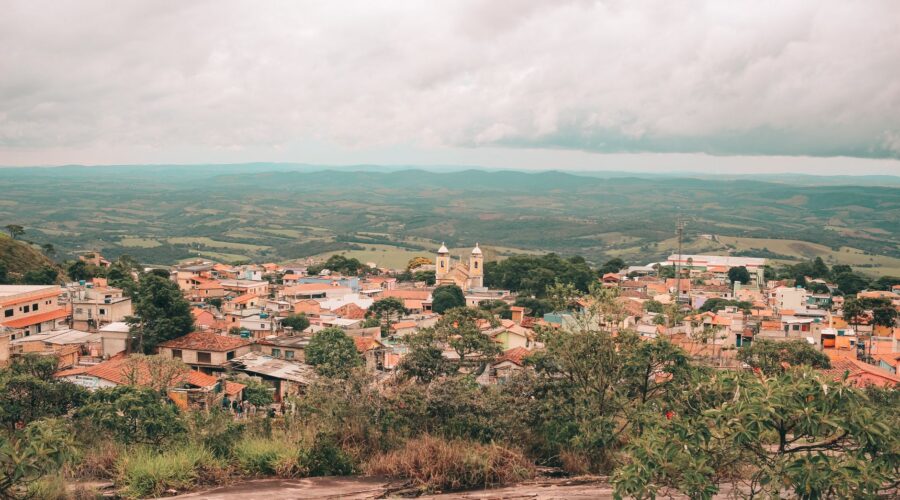
Image: Pexels – Victor Freitas