Pedra de Lume Salt Crater Spa: Sal’s Volcanic Wellness Oasis
Rising out of the turquoise Atlantic, the island of Sal in Cape Verde is often celebrated for its endless white sands and world-class kiteboarding. However, tucked away in the northeastern corner of the island lies a geological marvel that feels worlds away from the luxury resorts of Santa Maria. This is Pedra de Lume, an ancient volcanic crater turned salt mine, where history, geology, and wellness intersect in a surreal, lunar landscape.
Often referred to as the “Dead Sea of Africa,” the salt pans of Pedra de Lume offer a unique therapeutic experience. Here, visitors can float effortlessly in medicinal waters 27 times saltier than the ocean, all while surrounded by the jagged, rust-colored walls of an extinct volcano. To understand why this site is a must-visit, one must look deep into its geological past and its historical significance for the archipelago.
The Geology: From Fire to Salt
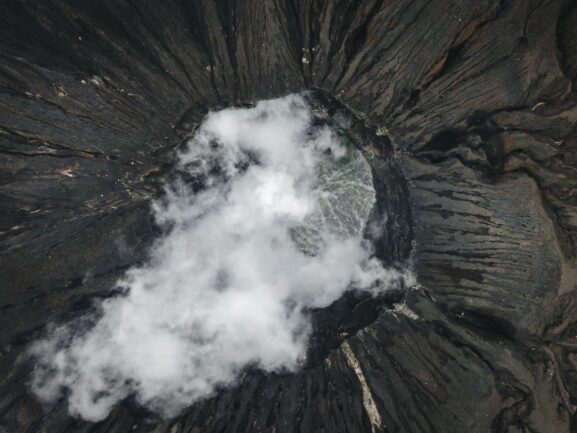
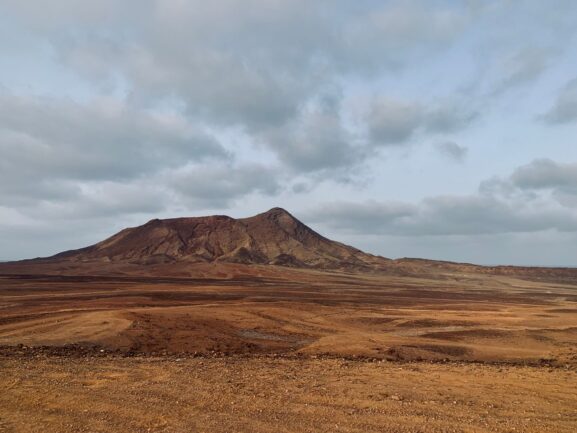
The name “Pedra de Lume” literally translates to “Stone of Fire.” This moniker is a nod to its origins as a volcanic caldera. Millions of years ago, when Cape Verde was still being shaped by violent tectonic activity, this crater was a site of intense heat and pressure. As the volcano became extinct, the crater eventually collapsed, leaving a low-lying basin that sits just below sea level.
The secret to the salt pans lies in natural filtration. Although the crater is inland, the surrounding volcanic rock is porous. Seawater from the Atlantic seeps through underground fissures, filtering through the basalt and minerals before emerging at the bottom of the crater. Because the island of Sal is one of the oldest and driest in the Cape Verdean archipelago, the scorching sun evaporates this water rapidly, leaving behind thick, concentrated crusts of salt.
A Journey Through Time: The Salt Industry
While the crater was formed by nature, its infrastructure was shaped by man. Commercial salt exploitation began in the late 18th century. In 1833, businessman Manuel António Martins transformed the crater into a full-scale industrial site. The challenge, however, was transporting the “white gold” from the bottom of the crater to the port outside the volcanic walls.
In 1921, a sophisticated cable car system was installed to haul the salt. Today, the wooden skeletons of these industrial towers still stand, casting long, eerie shadows over the pans. They serve as a hauntingly beautiful monument to an era when Cape Verde was a major exporter of salt to Brazil and West Africa. While large-scale industrial mining ceased years ago, artisanal salt extraction continues, primarily to fuel the local tourism and wellness industry.
The Therapeutic Secret: Floating in Liquid Gold
The main draw for modern travelers is the chance to experience the crater’s geothermal and therapeutic benefits. Because the salt concentration is so high—comparable to the Dead Sea in Jordan—the water is incredibly dense. Entering the pans is a gravity-defying experience; as soon as you sit back, the water pushes you to the surface. You don’t swim in Pedra de Lume; you simply hover.
Mineral Wealth and Skin Benefits
The waters of Pedra de Lume are more than just a novelty. They are rich in minerals including magnesium, potassium, and calcium. Local legend and modern dermatology agree that these waters have significant healing properties:
- Exfoliation: The natural salt crystals act as a powerful scrub, removing dead skin cells and leaving the skin silky smooth.
- Detoxification: The high mineral content helps draw toxins out of the body and reduce inflammation in the joints.
- Skin Conditions: The saline environment is known to offer relief for sufferers of psoriasis and eczema.
- Reverse Aging: Many locals swear by the “rejuvenating” properties of the mineral mud found at the edges of the pans, often applying it as a full-body mask before rinsing in the salt water.
The Visitor Experience: What to Expect
Arriving at Pedra de Lume is a dramatic event. Visitors enter the crater through a man-made tunnel carved directly into the volcanic rock—the same path used by salt workers for centuries. As you emerge from the tunnel, the view is breathtaking: a patchwork of evaporation ponds in varying shades of pink, white, and blue, set against the red ochre of the crater walls.
A modest entrance fee grants access to the site. There is a “Spa” facility on-site where visitors can pay a small additional fee for a freshwater shower—a necessity after your soak, as the high salt concentration will leave a thick, itchy white crust on your skin within minutes of drying off. There is also a small restaurant and museum that explains the history of the salt trade in Cabo Verde.
Practical Tips for Your Visit
To make the most of your trip to the Pedra de Lume Salt Crater, consider the following advice:
1. Timing is Everything
The crater can get hot, as the walls block much of the island’s famous breeze. Visit early in the morning or late in the afternoon to avoid the midday sun and the larger tour groups from Santa Maria.
2. Protect Your Feet
The bottom of the salt pans is covered in sharp salt crystals. It is highly recommended to wear water shoes or flip-flops while wading into the water to avoid small cuts, which—as you can imagine—will sting intensely in the salt water.
3. Don’t Shave
A common mistake is shaving your legs or face on the morning of a visit. The microscopic nicks from a razor will react painfully with the high-salinity water. Wait until after your visit!
4. Photography
The contrast between the pink water and the red mountains is a photographer’s dream. However, be extremely careful with your electronics. Salt air and salt water are corrosive; ensure you have a dry cloth to wipe your hands before touching your camera or phone.
Sustainability and Preservation
Pedra de Lume is currently on the “tentative list” for UNESCO World Heritage status. As tourism in Sal continues to grow, there is an ongoing conversation about how to balance the commercial development of the spa with the preservation of its historical and geological integrity. By visiting, paying the entrance fee, and respecting the local guidelines, travelers contribute to the maintenance of this unique Cabo Verdean landmark.
Conclusion
The ‘Pedra de Lume’ Salt Crater is more than just a photo opportunity; it is a sensory journey that connects visitors to the very heart of Sal’s identity. From its fiery volcanic origins to its history of industrial toil and its current status as a sanctuary of wellness, the crater offers a profound sense of peace. Whether you are seeking the medicinal benefits of its minerals or simply looking to float effortlessly under the African sun, a trip to this ancient volcano is an essential part of the Cape Verdean experience.
Image: Pexels – Bibi Kiekens