Modern Cape Verdean Cuisine: A Guide to the Culinary Evolution
Cape Verde, a sun-drenched archipelago located 350 miles off the coast of Senegal, has always been a crossroads of cultures. From its Portuguese colonial history to its deep-seated West African roots and its long-standing connection to the Americas through the diaspora, the identity of the islands is a complex tapestry. Nowhere is this fusion more evident—and more delicious—than in the evolution of modern Cape Verdean cuisine.
For decades, Cape Verdean food was defined globally by Cachupa, the hearty corn and bean stew that serves as the nation’s soul. However, in recent years, a culinary revolution has been quietly simmering in the kitchens of Praia, Mindelo, and Sal. Today’s modern Cape Verdean cuisine preserves historical soul while embracing contemporary techniques, international influences, and a renewed focus on local, sustainable ingredients.
The Foundations: Tradition Meets Innovation
To understand the “modern” plate, one must first respect the “traditional” pot. Cape Verdean gastronomy is traditionally based on corn (maize), beans, tubers (like cassava and sweet potatoes), and an abundance of fresh seafood. Because the islands are volcanic and susceptible to drought, the traditional diet was born out of resilience.
In the modern era, chefs are taking these humble ingredients and elevating them. Instead of the standard slow-cooked Cachupa Rica, you might find a “Deconstructed Cachupa” in a high-end restaurant in Santa Maria. Here, the ingredients—chorizo, slow-cooked pork belly, and pureed beans—are presented with artistic plating and textures that mirror fine dining in Lisbon or New York, yet the flavor profile remains unmistakably Crioulo.
The Seafood Revolution: From Ocean to Art
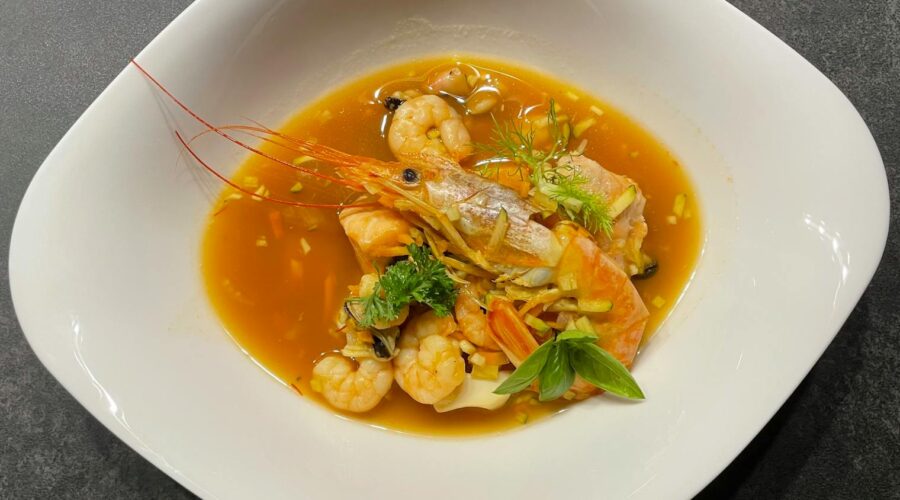
As an island nation, seafood has always been a staple, but the modern approach has moved beyond the simple grilled fish (peixe grelhado). Today, there is an emphasis on “Crudo” and “Carpaccio” styles, particularly with the archipelago’s world-class tuna and wahoo.
In Mindelo, the cultural capital on the island of São Vicente, fusion restaurants are blending Japanese techniques with Cape Verdean catches. It is now common to find tuna tataki crusted in local herbs or lobster risotto infused with Grogue (the local sugarcane spirit). This marriage of the Atlantic’s bounty with global culinary trends is a hallmark of the new Cape Verdean dining scene.
Sustainable Sourcing
Modern chefs in Cape Verde are also leading the charge in sustainability. With the rise of tourism on islands like Sal and Boa Vista, there is a growing movement to source “Kilometer Zero” products. This means prioritizing the organic vegetables grown in the fertile valleys of Santo Antão and the goat cheeses produced on the volcanic slopes of Fogo, ensuring that the economic benefits of the culinary boom stay within the local farming communities.
The Influence of the Diaspora
One cannot discuss modern Cape Verdean cuisine without mentioning the “Eleventh Island”—the vast diaspora living in the United States, Portugal, France, and the Netherlands. There are more Cape Verdeans living abroad than on the islands themselves, and this global connection is flowing back into the local food scene.
Returning “repatriates” and second-generation Cape Verdeans are opening bistros and cafes that bring back flavors from their travels. You’ll find “Creole Burgers” topped with spicy malagueta aioli, or Italian-style pastas tossed with buzio (conch). This circular migration has introduced a variety of spices and cooking methods—such as smoking and sous-vide—into the local repertoire, creating a sophisticated hybrid cuisine.
Fusion Drinks: Beyond the Traditional Grogue
The modernization of the Cape Verdean palate extends to the glass. Grogue, the potent white rum distilled from sugarcane, is the national drink. While it is still enjoyed straight, a new generation of mixologists is using it as a base for sophisticated cocktails.
Modern bars in Praia now serve “Grogue Sours” or passionfruit-infused mojitos that rival the cocktail menus of London or Paris. Additionally, the wine industry on the island of Fogo is seeing a renaissance. Vinho do Fogo (Chã wine), grown in the volcanic soil of the Pico do Fogo crater, has gained international recognition. Modern Cape Verdean restaurants are increasingly pairing these unique, mineral-forward wines with contemporary dishes, moving away from imported Portuguese house wines.
The Rise of Street Food and “Crioulo Tapas”
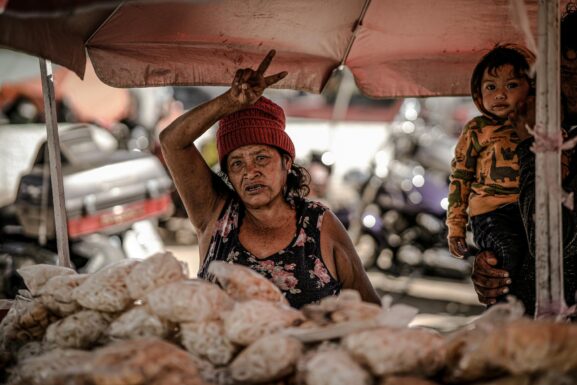
While fine dining is growing, the modern movement is also visible on the streets. Street food in Cape Verde is evolving from simple snacks like pastéis (fried tuna turnovers) to more diverse offerings. “Crioulo Tapas” has become a popular trend in urban areas, allowing diners to sample small plates of traditional flavors—a bit of Moreia (fried moray eel), a small bowl of Xerém (coarse cornmeal), and a slice of Queijo de Terra with papaya jam—all in one sitting.
Where to Experience Modern Cape Verdean Cuisine
If you are planning a trip to the islands, here are the best places to experience this culinary evolution:
- Praia (Santiago Island): The capital is the heart of the modern food scene. Look for restaurants in the “Plateau” district that offer creative “Prato do Dia” (Plate of the day) featuring fusion techniques.
- Mindelo (São Vicente): Visit the cafes around the Marina and the historic center. Mindelo’s nightlife often revolves around live Morna music paired with modern appetizers.
- Santa Maria (Sal): As the tourism hub, Sal offers the highest concentration of international-style dining where local fish is prepared with Mediterranean and Asian influences.
- Chã das Caldeiras (Fogo): For a truly modern organic experience, dine in the volcanic crater where the “farm-to-table” concept is not a trend, but a way of life.
Conclusion: A Flavorful Future
Modern Cape Verdean cuisine is a celebration of identity. It proves that a country can move forward into the globalized world without losing its soul. By taking the resilient crops of their ancestors and the fresh bounty of the Atlantic, and mixing them with global influences, Cape Verdean chefs are creating a culinary language that is entirely their own.
Whether it’s a bowl of refined Cachupa or a glass of aged Grogue in a sleek urban bar, the message is clear: Cape Verde is no longer just a destination for sun and sand—it is a destination for the senses.
Image: Pexels – Rudi Kessler