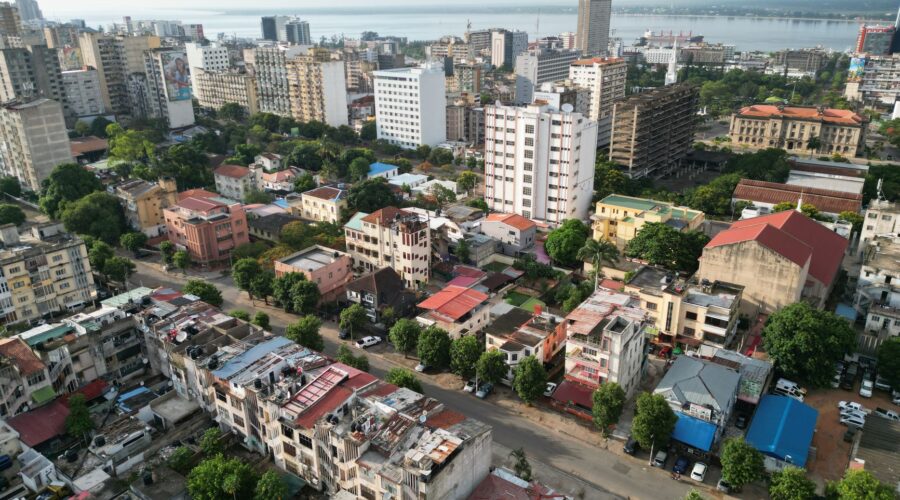
Mozambique Mutual Guarantee Fund Targets Small Business Growth
Maputo, Mozambique — The Credit Guarantee Society of Mozambique is moving to expand its financial reach, seeking new funding sources to bolster the nation’s micro, small, and medium-sized enterprises (MSMEs). Beatriz Freitas, the institution’s executive lead, told Lusa that negotiations are underway to secure fresh capital within the next twelve months.
Freitas, a seasoned executive who previously led similar guarantee systems in Portugal, Cape Verde, and Angola, took the helm following an international search backed by the World Bank. She noted that while the current fund relies on specific financial partners, the network of interested donors and financiers is growing.
“I believe that in a year’s time, we should have additional financing or even a new fund,” Freitas said, noting that the final figures will depend on the program’s growth through the end of the year. “We have already had several expressions of interest from donors and financiers who want to work with us on guarantees here in Mozambique.”
A $120 Million Lifeline
Operational since last year, the Mutual Guarantee Fund is backed by a $120 million (approx. €105 million) allocation from the World Bank. Implemented through Banco Comercial de Investimentos (BCI), Standard Bank, and Absa Bank, the initiative aims to secure financing for 15,000 Mozambican companies and facilitate the creation of over 20,000 jobs.
To date, the fund has supported approximately 630 companies, and the results are promising: not a single beneficiary has defaulted on their guaranteed loans. However, Freitas acknowledged that geographical reach remains a challenge, as most operations are currently concentrated in the capital, Maputo.
Climate Resilience and Credit Access
As Mozambique faces increasing vulnerability to extreme weather, the fund is exploring a specialized line of credit to cover climate-related risks. “One of the objectives is to reach companies when they need it most—both during periods of investment and in moments of crisis, such as the floods we saw last year,” Freitas explained.
She was also quick to clarify that the fund is not a subsidy program. Unlike traditional grants, the society does not lend money directly to business owners. Instead, it acts as a secondary risk-taker. “The entrepreneur goes to the bank, and the bank analyzes the credit. We stand alongside the entrepreneur to provide the guarantee,” she said.
Driving Down the Cost of Business
Looking ahead, Freitas believes the guarantee system will eventually lower the cost of borrowing for Mozambican businesses. While the current priority is expanding access to credit, she expects interest rates to drop once the financial system becomes more accustomed to the mechanism.
“When systems mature, they help reduce the price of credit. That has a huge impact on development,” Freitas said. She expressed particular optimism for the agricultural sector, calling it one of the most significant levers for the country’s economic growth. “Mozambique has everything it needs to grow. Having cheaper money is vital for a company starting out or looking to scale.”
Image: Pexels – SINAL Multimédia