Mindelo: Cape Verde’s Vision for a Green Hydrogen Port Hub
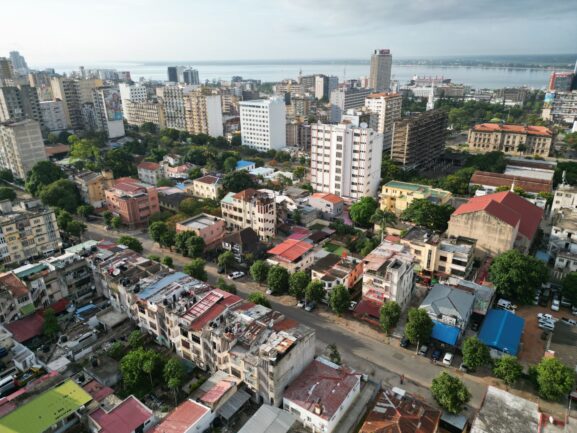
As the maritime industry faces an urgent mandate to decarbonize, a quiet revolution is taking shape in the middle of the Atlantic Ocean. The city of Mindelo, located on the island of São Vicente in Cape Verde, is no longer just a picturesque cultural capital known for its music and colonial architecture. Today, it is positioning itself to become one of the world’s first “Green Hydrogen Ports,” a strategic refueling hub that could redefine global shipping routes in the 21st century.
The Strategic Crossroads of the Atlantic
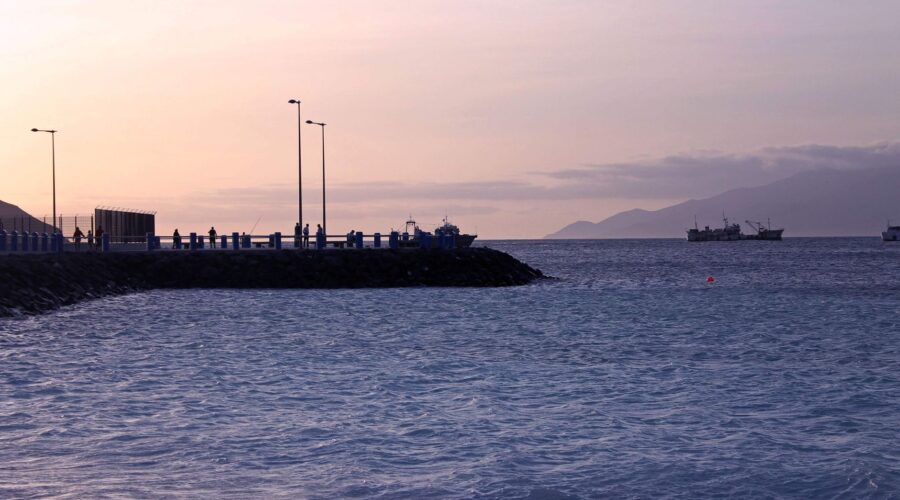
Mindelo’s Porto Grande has long been a vital stopover for vessels traveling between Europe, Africa, and the Americas. Its deep-water harbor and sheltered location have made it a natural logistics point for centuries. However, as the International Maritime Organization (IMO) pushes for a 50% reduction in greenhouse gas emissions by 2050, traditional heavy fuel oil is becoming a liability.
Cape Verde possesses two ingredients essential for the green energy transition: consistent, high-velocity trade winds and intense year-round sunshine. By leveraging these natural resources, the archipelago aims to produce “Green Hydrogen”—a fuel created by using renewable electricity to split water into hydrogen and oxygen through electrolysis. For Mindelo, this represents an opportunity to transition from a traditional port to a high-tech energy gateway.
Why Green Hydrogen?
Unlike batteries, which are often too heavy and energy-sparse for massive container ships crossing the Atlantic, hydrogen and its derivatives (like green ammonia or methanol) offer the high energy density required for long-haul maritime transport. When burned or used in a fuel cell, hydrogen emits only water vapor, making it the “Holy Grail” of sustainable shipping.
For Cape Verde, the “Green Hydrogen Port” vision isn’t just about environmental stewardship; it is an economic necessity. The country currently imports the vast majority of its energy. By producing green hydrogen locally, Cape Verde can achieve energy independence while creating a high-value export commodity that places them at the center of the global supply chain.
Mindelo’s Competitive Edge: Wind, Sun, and Sea
What sets Mindelo apart from other aspiring hydrogen hubs is its extraordinary “capacity factor.” In many parts of the world, wind and solar are intermittent. In São Vicente and the neighboring island of Santo Antão, the wind blows with remarkable consistency. This reliability allows for the continuous operation of electrolyzers, which significantly lowers the cost of hydrogen production.
Technical Infrastructure and Partnerships
The vision for Mindelo involves the development of specialized berths equipped with hydrogen refueling infrastructure. The government of Cape Verde, under its “National Green Hydrogen Strategy,” has begun courting international investors and technical partners from the European Union and beyond. Projects under discussion include:
- Desalination Plants: Using renewable energy to create the fresh water needed for electrolysis without depleting the island’s limited groundwater.
- Offshore Wind Farms: Tapping into the powerful currents and winds of the Atlantic to power large-scale hydrogen production facilities.
- Storage Facilities: Developing high-pressure tanks and cryogenic storage at Porto Grande to hold hydrogen for visiting fleets.
Economic Impact: Beyond the Docks
The transformation of Mindelo into a green refueling hub promises a ripple effect across the Cape Verdean economy. The “Blue Economy”—a term used to describe the sustainable use of ocean resources for economic growth—is the cornerstone of the nation’s development plan.
The project is expected to create thousands of highly skilled jobs in engineering, chemistry, and maritime logistics. Furthermore, by-products of the process, such as oxygen and excess heat, could be utilized in local hospitals or for industrial cooling, creating a circular economy that benefits the local population of São Vicente.
Challenges on the Horizon
Transitioning to a green hydrogen economy is not without its hurdles. The primary challenge is the “Chicken and Egg” dilemma: shipowners are hesitant to build hydrogen-powered vessels until refueling infrastructure exists, while ports are hesitant to build infrastructure until the ships arrive.
Additionally, the initial capital investment required is immense. Cape Verde is working closely with the World Bank and the African Development Bank to secure the financing necessary to scale these projects. There are also technical challenges regarding the storage and transport of hydrogen, which is highly flammable and requires specialized handling.
A Model for Small Island Developing States (SIDS)
Mindelo’s journey is being watched closely by other island nations. Small Island Developing States (SIDS) are often the most vulnerable to climate change while being the most dependent on expensive imported fuels. If Mindelo succeeds, it will provide a blueprint for how islands can flip the script—turning their geographic isolation into a strategic advantage.
By becoming a “Green Filling Station,” Mindelo is proving that the transition to net-zero is not just the domain of wealthy industrial nations. With the right natural resources and political will, even a small archipelago can lead the way in cleaning up one of the world’s most polluting industries.
The Road Ahead
As we look toward 2030 and 2050, the sight of massive cargo ships docking in the turquoise waters of Porto Grande may remain the same, but what happens below deck will be vastly different. The smell of diesel and thick plumes of black smoke will be replaced by the silent, clean power of hydrogen.
Mindelo is ready to reclaim its historical status as the “Atlantic’s Station,” but this time, the fuel will be as clean as the Cape Verdean breeze. For travelers, investors, and the shipping industry, all eyes are on São Vicente as it charts a course toward a greener, more sustainable maritime future.
Image: Pexels – Ana Marta Jorge