Morabeza: The Soul of Cape Verdean Hospitality & Culture
If you spend even a few hours in the sun-drenched archipelago of Cape Verde, you will inevitably encounter a word that seems to hang in the air like the scent of salt spray and grilled fish: Morabeza. It is printed on hotel signs, whispered in the lyrics of melancholic Cesária Évora songs, and etched into the smiles of the locals. But for the Cape Verdean people, Morabeza is far more than a marketing slogan for tourism; it is the very soul of their national identity.
Often translated simply as “hospitality,” Morabeza is a complex, multi-layered concept that defines the way Cape Verdeans interact with one another and the world. It is a philosophy of kindness, a history of resilience, and an open invitation to belong. To understand Morabeza is to understand the heart of these ten volcanic islands scattered in the central Atlantic Ocean.
Defining the Undefinable: What is Morabeza?
Etymologically, the word Morabeza derives from the Portuguese word “morabo,” which relates to being affable or gentle. However, the Cape Verdean Creole (Kriolu) interpretation has transformed it into something uniquely Atlantic. It describes a specific type of spirit: one that is welcoming, relaxed, and deeply empathetic.
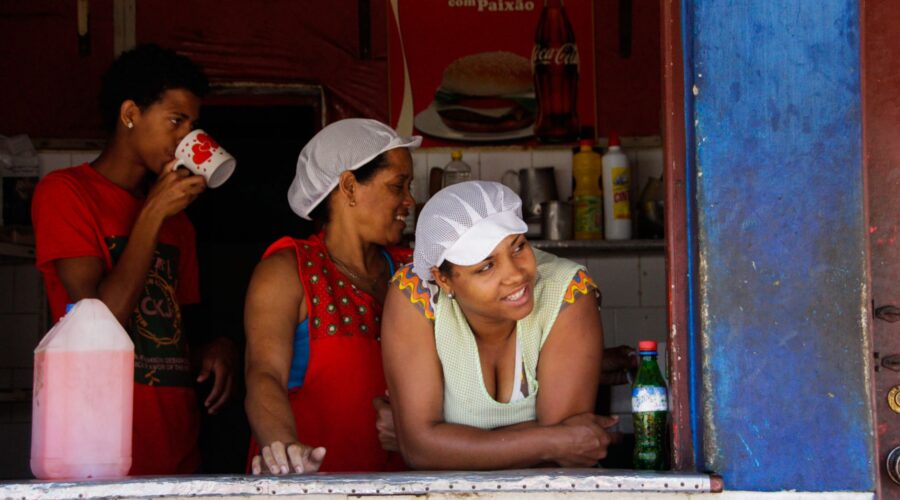
In practice, Morabeza is the impulse to invite a stranger into your home for a cup of coffee or a plate of cachupa (the national stew). It is the patience shown when a traveler is lost, and the genuine joy found in communal music and dance. Unlike the formal politeness found in some European cultures, Morabeza is informal and warm. It is the art of making someone feel like a long-lost relative, even if you have only just met.
The Roots of Kindness: History and Resilience
To understand why hospitality is so central to Cape Verde, one must look at the islands’ challenging history. Unlike many other African nations, Cape Verde was uninhabited until the Portuguese arrived in the 15th century. The islands became a central hub for the transatlantic slave trade, creating a Creole population that is a blend of African and European ancestry.
Life on the islands has historically been difficult. With limited rainfall and a lack of natural resources, Cape Verde has faced devastating droughts and famines over the centuries. In such a harsh environment, survival depended on mutual aid. If your neighbor’s crop failed, you shared yours. If a traveler arrived at your door, you offered what little you had, knowing that one day, you might be the one in need.
This history of scarcity fostered a culture where generosity is not an option, but a necessity. Morabeza is the “social glue” that held the islands together through centuries of isolation and hardship. It is a triumph of the human spirit over geographical adversity.
Morabeza and Sodade: Two Sides of the Same Coin
You cannot discuss Morabeza without mentioning its emotional sibling: Sodade (or Saudade in Portuguese). While Morabeza is the joy of welcoming, Sodade is the bittersweet longing for those who have left. Because of the islands’ difficult economy, more Cape Verdeans live in the diaspora (the US, Portugal, France, and the Netherlands) than on the islands themselves.
Morabeza is the antidote to Sodade. When a member of the diaspora returns home, they are met with an overwhelming outpouring of Morabeza—a physical manifestation of the love and belonging they missed while abroad. For the visitor, this means you are stepping into a culture that deeply values human connection because they know exactly how painful its absence can be.
How to Experience Morabeza as a Traveler
For an international visitor, Morabeza is not something you “do,” but something you experience by slowing down. If you stay confined to the all-inclusive resorts of Sal or Boa Vista, you might catch glimpses of it, but to truly feel it, you must venture into the local towns and villages.
1. The “Open Door” Policy
In smaller villages on islands like Santo Antão or Fogo, it is common to see front doors left open. This isn’t just for ventilation; it is a sign of trust and openness. If you are hiking through the mountains of Santo Antão, don’t be surprised if a local farmer invites you to sit in the shade and share a piece of goat cheese or a shot of grogue (local sugarcane rum). The “Morabeza way” is to accept these invitations with a smile.
2. The Power of Music
Music is the heartbeat of Cape Verde. From the soulful morna to the upbeat funaná, music is a communal act. In the evenings, head to a small bar in Mindelo (São Vicente) or Plateau (Praia). You will see musicians playing not for a stage, but for each other. When the audience joins in, clapping and singing along, you are witnessing Morabeza in its most rhythmic form.
3. Shared Meals
Food in Cape Verde is rarely a solitary affair. Cachupa is often cooked in large pots meant to feed an entire extended family and any friends who might drop by. Sharing a meal is the ultimate expression of Morabeza. As a guest, finishing your plate and engaging in “toka toka” (chatting) is the best way to show respect for the hospitality offered.
Morabeza in the Modern World
As Cape Verde becomes an increasingly popular tourist destination, there is a natural concern that Morabeza might become “commodified.” However, Cape Verdeans are fiercely protective of this aspect of their culture. Even in the growing urban centers of Praia and Mindelo, the sense of community remains strong.
The government and local organizations often use the term to promote sustainable tourism. They encourage “community-based tourism,” where visitors stay in local homestays (pensões) rather than large chains. This ensures that the economic benefits of tourism reach the people directly and that the spirit of Morabeza remains a genuine exchange between cultures rather than a scripted performance.
Practical Tips for Respecting the Spirit
If you want to honor the spirit of Morabeza during your visit, keep these tips in mind:
- Learn a few words of Kriolu: A simple “Tudo dretu?” (Is everything good?) or “Obrigado” (Thank you) goes a long way.
- Don’t rush: Morabeza operates on “island time.” Being impatient or demanding is seen as the antithesis of this spirit.
- Be open to conversation: Cape Verdeans are naturally curious. Engaging in a conversation about your home or your impressions of their island is the best way to build a bridge.
- Support local: Buy your souvenirs from local artisans and eat at family-run restaurantes.
Conclusion: A Lesson for the World
In a world that often feels increasingly divided and hurried, the Cape Verdean spirit of Morabeza offers a refreshing alternative. It reminds us that no matter how little we may have, we always have enough to share. It teaches us that a stranger is simply a friend we haven’t met yet, and that the greatest luxury in life isn’t a five-star hotel, but the warmth of a genuine welcome.
When you leave Cape Verde, you will likely carry a little bit of Sodade with you—a longing to return to the islands. But you will also carry the memory of Morabeza, a gentle reminder that kindness is a universal language that needs no translation.
Image: Pexels – Thomas Schwaak