Cape Verde: Tarrafal Survivors Demand Recognition 50 Years On
PRAIA, Cape Verde — Survivors of the Tarrafal Concentration Camp and their families are breaking a decades-long silence, demanding official recognition and pensions for Cape Verdeans imprisoned during the chaotic transition to independence between 1974 and 1975.
For 75-year-old Orlando Araújo, the memories of his detention remain as sharp as the barbed wire that once surrounded him. Arrested at age 24 on the island of Fogo, Araújo was one of 58 individuals swept up in a political purge following Portugal’s 1974 Carnation Revolution. His “crime” was an association with the Union of the Peoples of the Cape Verde Islands (UPICV), a group that sought independence but opposed political union with Guinea-Bissau.
“No one ever heard me; we never went to court,” Araújo told Lusa. “We were just arrested for no reason.”
A Forgotten Chapter of History
The arrests took place during a volatile power struggle between the African Party for the Independence of Guinea and Cape Verde (PAIGC), which eventually took power, and rival movements like the UPICV. As the PAIGC consolidated control leading up to the proclamation of the new state on July 5, 1975, dissidents were rounded up.
Araújo recalls a harrowing eight months at Tarrafal, followed by a transfer to São Vicente prison where conditions were even more brutal. “In São Vicente, it was worse than Tarrafal,” he said. While he wasn’t physically tortured, he spent 16 months in detention. When he went on a hunger strike to protest his treatment, he says the guards’ response was blunt: “I hope they die.”
His brother, Miguel Lopes Araújo, was just 15 when soldiers snatched him from his job at a municipal market. “I didn’t do anything,” Miguel said, noting that his interest in the UPICV was merely the curiosity of a teenager. He spent nearly nine months behind bars without ever being charged.
The Fight for Recognition
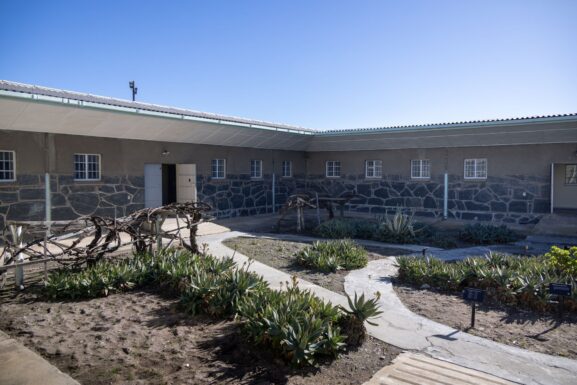
Now, survivors and the relatives of 58 former inmates are petitioning the Cape Verdean government, the Presidency, and UNESCO. They are calling for their names and stories to be included in the Museum of Resistance, housed at the former Tarrafal camp site. The site is widely recognized for housing anti-fascist and anti-colonial prisoners, but the families argue the “post-1974” prisoners have been scrubbed from the narrative.
“The aim is not to rewrite history or diminish the relevance of colonial repression,” the families wrote in a letter made public this month. “We simply want the story to be told in its entirety.”
Legal Hurdles
The quest for a pension faces significant legal obstacles. Under a 2014 statute, Cape Verde grants pensions to “Freedom Fighters of the Fatherland”—a title reserved for those who campaigned for independence before April 24, 1974, and were imprisoned by colonial authorities.
Because these men were detained during the transition period by local political forces rather than the Portuguese colonial administration, they fall into a legal gray area. Araújo says he has even faced skepticism from current politicians who question if the arrests even occurred.
“We have living witnesses who saw that we were arrested and unjustly so,” Araújo insisted. “I think they should provide some pension, some recognition. My family suffered while I was gone for nothing.”
Image: Pexels – Valentin Angel Fernandez