São Tomé and Príncipe General Elections: Low Turnout Fears
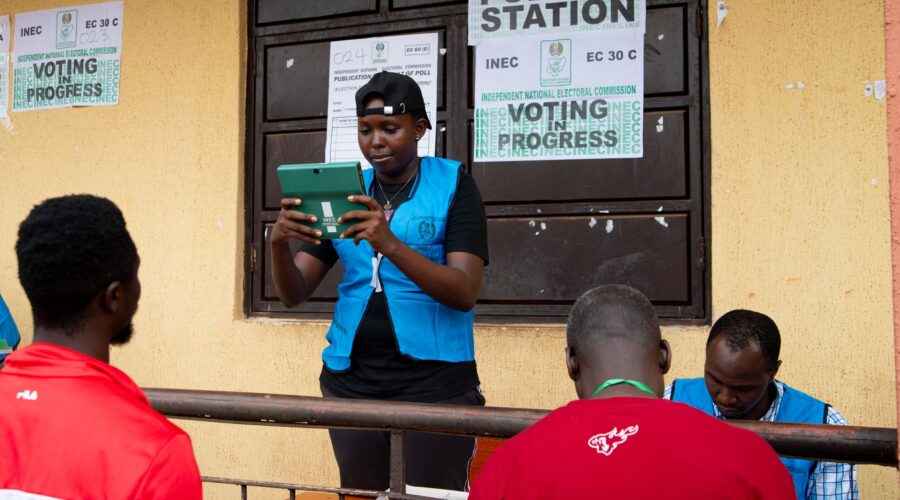
Polling stations across São Tomé and Príncipe opened at 07:00 local time on Sunday for a critical set of general elections, though initial reports indicate a lukewarm turnout. Citizens are casting ballots to elect members of the National Assembly, as well as local and regional officials, in a vote that serves as a major test for the archipelago’s democratic engagement.
A Test Against Apathy
Despite the high stakes, early morning queues remained short at major polling sites in the capital, including the D. Maria de Jesus Primary School and the Higher Institute of Education and Communication. The quiet start comes on the heels of record-high abstention during July’s presidential elections, where nearly 59% of the electorate stayed home.
National leaders have spent the final days of the campaign pleading for a massive turnout to reverse this trend. President Carlos Vila Nova, who secured re-election in July, warned that high abstention rates “trivialize the process” and urged voters to honor their civic duty. Jeudiger do Nascimento, president of the National Electoral Commission (CEN), echoed these sentiments, reminding the nation’s 146,000 registered voters that “the vote of every São Toméan counts toward defining the country’s future.”
The Political Landscape
Voters are choosing representatives for 55 seats in the National Assembly. The race features four major established parties: the Independent Democratic Action (ADI), the Movement for the Liberation of São Tomé and Príncipe (MLSTP), the MCI-PUN coalition, and the Basta Movement. Three smaller parties—the PCD, MDFM, and the new Nossa Terra Political Movement—are also vying for influence.
The electoral roll has grown by nearly 4,000 voters since the July presidential contest, offering hope for a more robust participation rate this time around.
International Oversight
A significant contingent of international observers is monitoring the proceedings to ensure transparency. The mission includes representatives from the European Union, the African Union, and the Community of Portuguese Language Countries (CPLP). Notably, the European Parliament has sent a dedicated delegation for the first time, led by MEPs Ana Catarina Mendes and Catarina Martins.
As the day progresses, officials hope the early morning lull will give way to a steady flow of citizens ready to shape the next chapter of the nation’s governance.
Image: Pexels – David Iloba