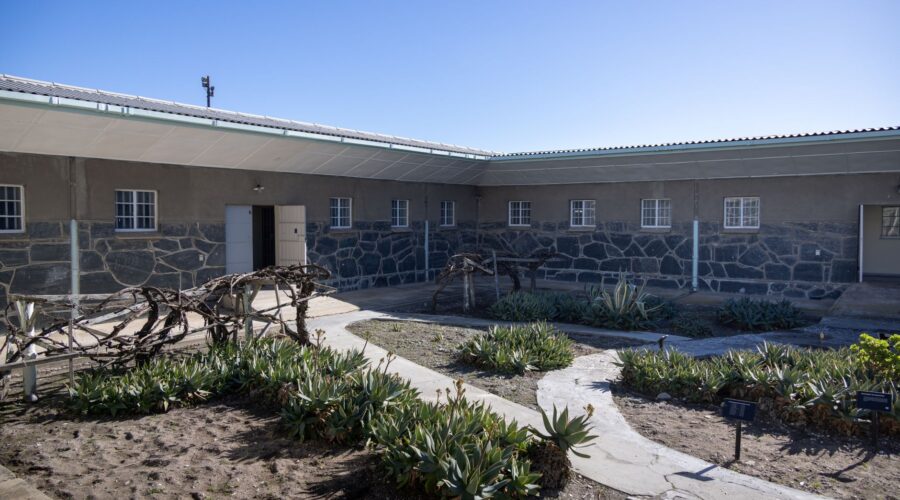
Tarrafal Camp UNESCO Bid: Families Demand Full History
Families of political prisoners held at Cape Verde’s notorious Tarrafal Camp during the mid-1970s are calling for the “full truth” to be told as the site seeks UNESCO World Heritage status. In a formal letter addressed to the United Nations and the Cape Verdean government, 73 relatives of former detainees are demanding that the museum’s official narrative include the period between December 1974 and July 1975.
Historically known as a site of colonial repression and anti-fascist resistance, the Tarrafal Camp—often called the “Camp of the Slow Death”—served a darker, lesser-known purpose during the chaotic transition from Portuguese rule to Cape Verdean independence. According to the signatories, dozens of citizens were detained without trial or formal charges during this era due to political disagreements regarding the nation’s future.
Filling the Gaps in History
The letter, signed by relatives of 15 of the 58 prisoners held during that specific window, outlines four key demands: formal recognition of the camp’s use in 1974-1975, its integration into scientific and museological discourse, the identification of all prisoners, and a guarantee that international recognition adheres to the principles of “historical truth and inclusive memory.”
“There is no intention to rewrite history or diminish the relevance of previous phases,” the document states. Instead, the goal is to ensure the history of the camp is “told in its entirety.”
A Legacy of Silence
The detainees of this period were often intellectuals, farmers, and activists who opposed the African Party for the Independence of Guinea and Cape Verde (PAIGC) or the proposed unification of the two nations. Vera Mendes, a lead organizer of the initiative and daughter of former prisoner Rufino José Silva, says many were imprisoned simply for wanting a different democratic path.
“My father wanted elections. He was part of the Union of the Peoples of the Cape Verde Islands (UPICV) and they wanted to listen to the people,” Mendes told Lusa. Her father was among the last to be released, only to be deported to Portugal with nothing. “He had to rebuild himself and his family from scratch.”
Mendes notes that many families spent years struggling to clear their names, even obtaining documents from Portuguese authorities to prove they had never collaborated with the fascist secret police (PIDE), a common accusation used to justify their detention.
A Race Against Time
The push for inclusion comes as the Cape Verdean government advances its application for Tarrafal to become a UNESCO World Heritage site. A government ordinance published in March omitted the 1974-1975 period, sparking fears that this chapter of history would be permanently erased.
“The history of democracy and independence in Cape Verde is incomplete,” Mendes argued. “There is an omission, and it must be corrected.”
While the Cultural Heritage Institute (IPC) of Cape Verde has not yet issued a formal response to Lusa, Mendes remains optimistic after preliminary discussions with heritage technicians. For the families, the mission is simple: “May one day grandchildren be able to visit Tarrafal and see the photographs of their grandfathers,” Mendes said. “They are part of the history of Cape Verde and cannot be erased.”
Image: Pexels – Magda Ehlers