Cape Verde PM Vows to Lower Book Costs for Citizens
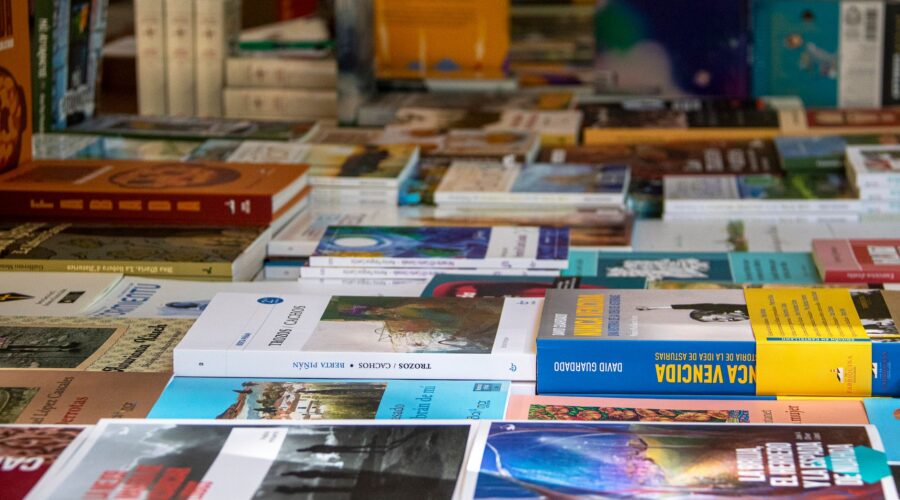
PRAIA, Cape Verde — High costs remain the primary barrier preventing citizens from accessing literature, Cape Verdean Prime Minister Francisco Carvalho acknowledged today. Speaking at the opening of the XIV Meeting of Portuguese Language Writers, the Prime Minister pledged that his government will step in to make physical books more accessible to the public.
A Commitment to the Printed Word
“The price of things is indeed a major obstacle to so many things in life… and, yes, an obstacle regarding access to books,” Carvalho told reporters. “Access to books is something that must be assumed and guaranteed by the State.”
When asked by Lusa about specific measures to lower costs, Carvalho emphasized that while the government must respect the private sector’s role in publishing, the executive branch is committed to incentivizing and facilitating access. He specifically championed the “actual sheets of paper” over digital alternatives, praising the tactile experience of flipping through pages and carrying a book “under one’s arm.”
The Challenge of the Digital Age
During his keynote address, Carvalho highlighted the global significance of Portuguese as the most spoken language in the Southern Hemisphere. However, he warned that the digital age poses a threat to the depth of literary engagement.
“Reading must be done slowly. Each word, each punctuation mark, and each paragraph must be properly analyzed and felt,” Carvalho said. He argued that the “dizzying speed” of the internet and social media is often incompatible with the thoughtful reflection required by literature.
A “Language of Resistance” and Identity
The meeting, organized by the Union of Portuguese-Speaking Capital Cities (UCCLA) and the Praia Municipal Council, brought together voices from across the Lusophone world. Paula Leal da Silva, deputy secretary-general of UCCLA, described the Portuguese language as a “golden key” and a living entity that thrives because of its ability to adapt and change.
Tomás do Rosário Cabral, East Timor’s Minister of Central Administration, offered a poignant reminder of the language’s political power. He recalled how Portuguese served as a “language of resistance” during the Indonesian invasion of his country. “Today, speaking Portuguese is being connected to the world. It is a way of preserving our identity,” he said.
A Global Literary Gathering
The event, themed “The Portuguese Language as an element of adaptation in a changing world,” features a diverse lineup of writers from Angola, Brazil, Cape Verde, Guinea-Bissau, Macau, Mozambique, Portugal, São Tomé and Príncipe, and East Timor, as well as participants from Croatia and Galicia.
The opening ceremony celebrated Cape Verde’s rich cultural heritage with performances of morna music and poetry recitations, including Amílcar Cabral’s iconic poem “Ilha” (Island), performed by local students.
Image: Pexels – Juan García