Carnival in Cape Verde: Guide to the Atlantic’s Vibrant Party
When the month of February arrives, a rhythmic pulse begins to vibrate across the ten islands of the Cape Verdean archipelago. It starts with the distant thrum of oil-drum rehearsals and ends in a kaleidoscopic explosion of color, satire, and soul. Carnival in Cape Verde (locally known as Carnaval) is not just a party; it is a profound expression of the nation’s identity—a “Little Rio” in the middle of the Atlantic that blends European traditions with a powerful African heartbeat.
The Origins: A Blend of History and Heritage
Carnival in Cape Verde traces its roots back to the Portuguese colonial era, specifically the tradition of Entrudo. Originally, these celebrations were somewhat chaotic, involving water fights and practical jokes in the days leading up to Lent. However, over the centuries, the influence of the African diaspora and the massive cultural gravity of Brazilian Carnival reshaped the event into what it is today.
Today, the celebration serves as a vital cultural bridge. While it honors the Catholic calendar, it has evolved into a secular showcase of craftsmanship, music, and social commentary. It is the time of year when the Morabeza (the legendary Cape Verdean hospitality) reaches its peak, welcoming thousands of visitors from the diaspora and around the world.
Mindelo: The Epicenter of the Spectacle
While every island celebrates, the island of São Vicente—specifically its capital city, Mindelo—is the undisputed heart of Cape Verdean Carnival. Often compared to Rio de Janeiro due to its scale and artistic ambition, the Mindelo Carnival is a serious business that involves year-round preparation.
The Official Parades
The main event takes place on Shrove Tuesday (Mardi Gras). The streets of Mindelo are transformed into a massive outdoor theater. Major “Official Groups” like Monte Sossego and Cruzeiros do Norte compete for the title of champion. These groups spend tens of thousands of Euros and thousands of man-hours constructing massive, intricate floats and sewing thousands of sequins onto hand-made costumes.
The Mandinga Tradition
One of the most unique and visually striking elements of the Mindelo celebration is the Mandingas. In the weeks leading up to the main parade, groups of men and women cover their bodies in black charcoal and oil, donning grass skirts and brandishing spears. This tradition is a powerful nod to West African roots and serves as a rhythmic “warm-up” for the city. The Mandinga processions are high-energy, wild, and deeply symbolic of the reclaiming of African identity.
Carnival Across the Islands
While Mindelo takes the spotlight, other islands offer distinct flavors of the celebration that are well worth exploring:
- Santiago (Praia): The capital city holds a massive parade on the Avenida Cidade de Lisboa. It is often more diverse, featuring groups from different neighborhoods that bring a gritty, urban energy to the traditional festivities.
- São Nicolau: This island holds one of the most authentic and traditional Carnivals. It is famous for its hand-painted floats and a more community-focused atmosphere where the lines between performers and spectators often blur.
- Sal and Boa Vista: As the primary tourist hubs, these islands offer a blend of local tradition and hotel-sponsored spectacles, making it easy for travelers to experience the joy of Carnival without leaving the comfort of their resorts.
The Soundtrack: Samba Meets Batuku
You cannot have Carnival in Cape Verde without the music. While the influence of Brazilian Samba is undeniable in the drum sections (the bateria), the music is uniquely Cape Verdean. You will hear the rapid-fire rhythms of Coladeira and the driving force of Batuku. Many groups compose original songs each year, with lyrics that often touch on social issues, politics, or local pride. These “Enredos” (themes) are sung at the top of the lungs by thousands of participants as they dance through the cobblestone streets.
Practical Information for Travelers
If you are planning to witness this spectacle firsthand, timing and preparation are key. Here is what you need to know:
When to Go
Carnival follows the lunar calendar, usually falling in February or early March. The most intense festivities happen from the Friday before Ash Wednesday through to the Tuesday. In Mindelo, the “Mandinga” parades happen every Sunday for several weeks leading up to the main event.
Where to Stay
Accommodation in Mindelo sells out months in advance. If you plan to attend, book your hotel or Airbnb at least six months ahead. Staying near the Rua de Lisboa will put you in the center of the action, but be prepared for noise—the music often lasts until dawn.
Getting Around
Inter-island flights (operated by BestFly Cabo Verde) and ferries (CV Interilhas) are in high demand during this period. Ensure your transport between islands is confirmed well in advance, as the “exodus” to São Vicente is significant.
The Spirit of Satire and Social Commentary
Beyond the glitter, Carnival is a time for Zombataria (mockery). Cape Verdeans have a sharp sense of humor, and many smaller, unofficial groups use the parade to poke fun at current events. You might see a float depicting a local political scandal or a group dressed as caricatures of global celebrities. This element of satire is a vital democratic outlet, allowing the people to express their views through the medium of art and dance.
Conclusion: Why You Should Experience It
Carnival in Cape Verde is more than a tourist attraction; it is the soul of the Atlantic. It represents a nation that has survived through hardship and drought by leaning on its creativity and community. Whether you are watching the sun set over Mindelo bay as the drums begin to roar, or dancing alongside a Mandinga troop in the dust of a Sunday afternoon, you are witnessing one of the most vibrant cultural expressions on the planet.
In a world of increasingly commercialized festivals, Cape Verdean Carnival remains raw, passionate, and deeply authentic. It is a celebration of life, a defiance of the mundane, and a beautiful, shimmering testament to the island spirit.
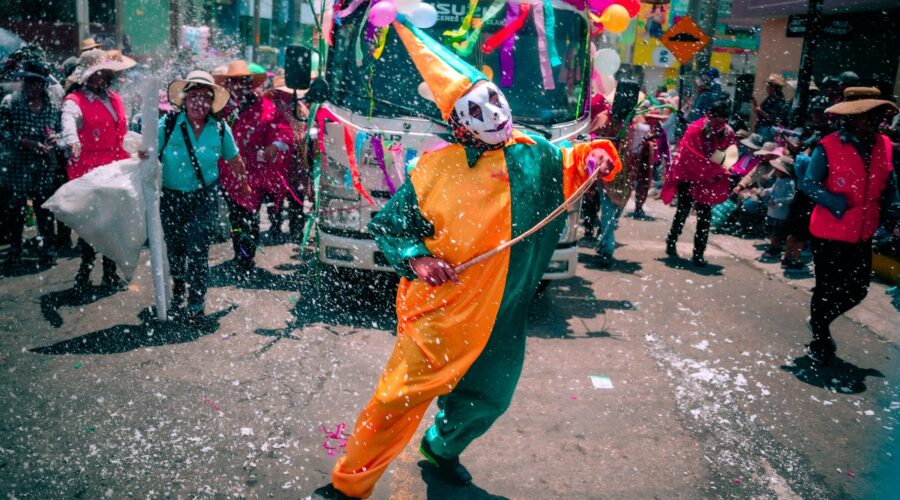
Image: Pexels – Lyon Peru