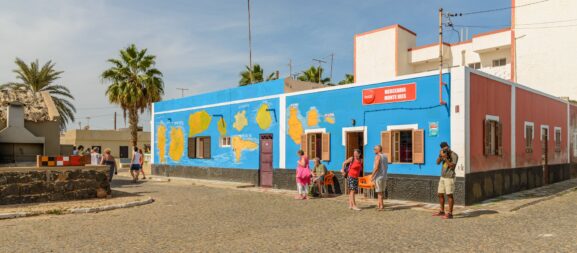
Cape Verde Election: PAICV Pledges to Cut State Fat
PRAIA, Cape Verde — Francisco Carvalho, leader of the opposition African Party for the Independence of Cape Verde (PAICV), has unveiled a bold electoral platform centered on purging government waste to fund a sweeping social safety net. Speaking ahead of the May 17 legislative elections, Carvalho promised to “reduce the fat” of the state to eliminate poverty across the archipelago.
Trimming the State to Fund the People
Carvalho’s proposal targets a leaner government with fewer agencies, fewer deputies, and lower operational costs. He pointed to the 2026 State Budget as evidence of excess, noting that the government spends over 3 million escudos (€27,000) daily on travel and lodging.
“What can we do by cutting this fat?” Carvalho asked during his presentation in the capital. He argued that the 1 billion escudos currently spent on travel and consultancies could instead make the public university entirely free for all citizens.
A New Deal for Teachers and Workers
The 80-page “electoral platform” places human development at its core, with specific promises to uplift the middle and working classes:
- Education Reform: A gradual salary increase for primary and secondary teachers, targeting a base monthly salary of 108,000 escudos (€979) by the end of the term. Foreign language instruction would also begin in the first cycle to better integrate Cape Verde into the global economy.
- Wage Increases: A pledge to raise the national minimum wage to 30,000 escudos (€272) by 2031.
- Housing and Health: The total elimination of “tin shacks” through the revival of the “Casa para Todos” (House for All) program and a commitment to free, universal healthcare.
“Elimination, Not Reduction”
Carvalho took a hard line on the country’s most pressing social issues. “Here we are not talking about reduction; we are talking about elimination,” he emphasized regarding his goal to eradicate poverty.
To achieve this, the PAICV plans to decentralize power, increasing the Municipal Financing Fund to 17%. Carvalho, who also serves as the Mayor of Praia, argued that local leaders are on the front lines of citizens’ daily struggles and require more resources to be effective.
Institutional Reform and Economic Vision
The platform also seeks to professionalize the judiciary and oversight bodies. Carvalho proposed that the Attorney General and the President of the Court of Auditors be selected through competitive exams rather than political appointments. “One crony won’t supervise another crony,” he told supporters.
Economically, the PAICV envisions Cape Verde as a major tourism and logistics hub, while boosting investment in modern agriculture, the maritime economy, and a new national fund for science and technology worth 0.2% of GDP.
The Road to May 17
The upcoming election sees a high-stakes battle between the PAICV and the ruling Movement for Democracy (MpD). Prime Minister Ulisses Correia e Silva, in power since 2016, is seeking a third consecutive term.
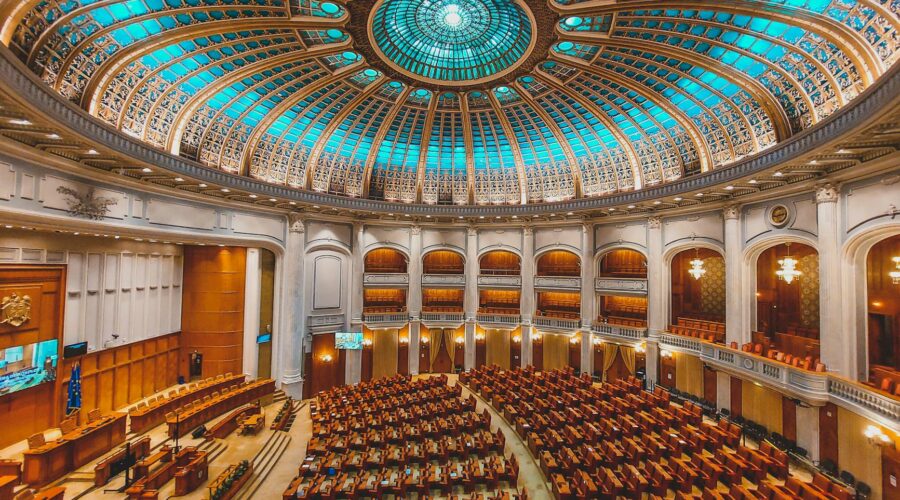
While the MpD and PAICV have alternated power since 1991, smaller parties like the Independent and Democratic Cape Verdean Union (UCID) are hoping to break the tradition of absolute majorities in the 72-seat National Assembly. Approximately 419,700 voters are registered to head to the polls later this month.
Image: Pexels – Czapp Árpád