WHO Confirms Hantavirus Outbreak on Cruise Ship: 3 Dead
The World Health Organization (WHO) has confirmed five cases of the rare and deadly hantavirus following an outbreak on a cruise ship. Health officials warned on Wednesday that the number of infections is expected to rise as investigators race to trace the spread of the virus across multiple continents.
Global Warning Issued
WHO Director-General Tedros Adhanom Ghebreyesus cautioned that the long incubation period of the Andes virus—the specific strain identified in this outbreak—means more cases are likely. “Considering the incubation period of the Andes virus, which can last up to six weeks, it is possible that more cases will be reported,” Tedros stated during a press conference in Geneva.
Of the eight people currently identified as potential cases, five have been laboratory-confirmed. Tragically, three people have already died. Health authorities in 12 countries—including the United States, United Kingdom, Canada, and Germany—have been alerted because their citizens disembarked the vessel during a recent stopover.
A Rare and Dangerous Pathogen
The Andes virus is a hantavirus native to South America and is the primary cause of Hantavirus Pulmonary Syndrome in the region. Unlike other strains, the Andes virus is unique because it is the only one documented to spread via person-to-person transmission. There is currently no specific treatment or vaccine for the infection, which can cause severe respiratory failure.
Tracing “Patient Zero”
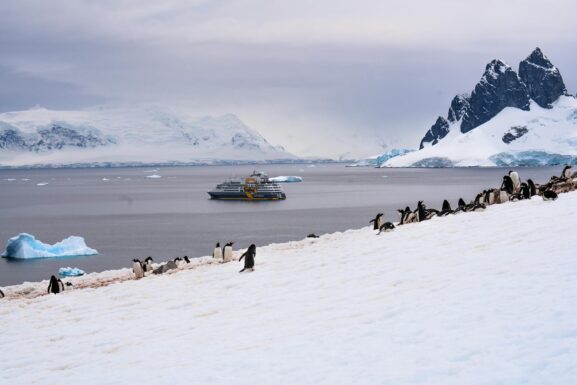
Investigators in Argentina are now working to identify the source of the outbreak. The cruise ship departed from Ushuaia, Patagonia, on April 1. Officials are trying to determine if the infection originated on land through contact with rodents in Argentina, Chile, or Uruguay, or if transmission began on board the ship.
The suspected “patient zero” was a 70-year-old Dutch man who first reported symptoms of fever and headache on April 6. He died on board the vessel on April 11. His wife, who disembarked later in Saint Helena, also fell ill and died after flying to Johannesburg, South Africa, on her way to the Netherlands.
The Ship’s Path Forward
While the ship, the MV Hondius, is currently en route to Spain’s Canary Islands, local anxiety is mounting. Tedros urged residents of the islands to “understand, support, and cooperate” despite the risks associated with the vessel’s arrival, scheduled for next weekend.
Recent days have seen more evacuations from the ship. Two crew members and an asymptomatic contact were flown out of Cape Verde via medical flights on Wednesday. Previously, a German citizen died on board, and a Swiss passenger who disembarked is currently being treated in Zurich after testing positive.
Transmission Risks
Hantaviruses typically jump to humans through contact with infected wild rodents, specifically via their saliva, urine, or feces. Humans can become infected through bites or by inhaling contaminated dust. Despite the high mortality rate of the virus, the WHO maintains that the “global risk to public health remains low” at this time.
Image: Pexels – Diego F. Parra