Middle East Conflict Impact on African Economies: S&P Report
Mozambique stands as one of the African economies most vulnerable to the escalating conflict in the Middle East, while oil-rich Angola remains among the continent’s most shielded nations, according to a recent report by credit rating agency Standard & Poor’s (S&P).
High Stakes for Non-Oil Producers
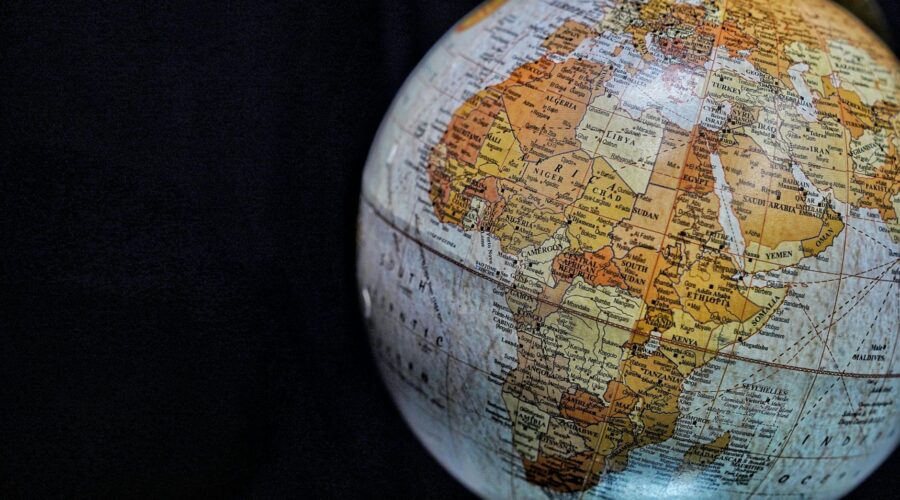
In a comprehensive analysis of 25 African countries, S&P highlighted a sharp divide in how regional economies weather global instability. Egypt, Mozambique, and Rwanda topped the list of those most exposed to the war’s economic ripples. While Egypt and Rwanda have some structural buffers—such as deep domestic markets and low-interest debt—Mozambique remains particularly sensitive to price shocks.
Conversely, net oil exporters like Nigeria, Angola, and the Republic of Congo are classified as least exposed. Morocco also ranks among the most resilient due to its robust foreign currency reserves.
The Double-Edged Sword of Imports
The primary threat to African stability stems from a reliance on imported essentials. “The risk that the Middle East conflict poses to African sovereigns will likely worsen as the disruption is prolonged,” S&P analysts warned. Most African nations are net importers of oil, fuel, and fertilizers. Even though direct trade with the Middle East accounts for only 11% of imports and 14% of exports, the global price hikes triggered by the conflict hit African balance sheets hard.
A significant irony highlighted in the report is that while many African nations export crude oil, they lack the refining capacity to process it for domestic use. Consequently, more than 75% of countries on the continent must import refined fuel, leaving them at the mercy of volatile global markets.
Rising Costs and Fiscal Pressure
S&P warns that the rising cost of fertilizers and fuel will inevitably drive up inflation, putting immense pressure on fiscal and external balances. This environment could lead to downward pressure on sovereign credit ratings across the region.
Governments are already feeling the strain as they attempt to shield citizens from price spikes. While the average African nation spends 0.3% of its GDP on fuel subsidies, Angola is an outlier, spending a significant 2.8% of its GDP to keep local prices stable.
Geopolitical Context
The economic forecast comes as geopolitical tensions remain high. The ongoing conflict has seen Iran block the strategic Strait of Hormuz—a vital artery for the global hydrocarbon trade. Although Brent crude prices have recently stabilized around $101 per barrel, down from a peak of $126, the potential for further supply disruptions continues to cast a shadow over African recovery efforts.
The report underscores that while some nations may benefit from temporary stockpiles, a sustained conflict in the Middle East poses a long-term risk to the financial health of the African continent.
Image: Pexels – UMA media