Cabo Verde’s Social Security & V-Dem Democracy Success
In the heart of the central Atlantic Ocean, the archipelago of Cabo Verde (Cape Verde) stands as a beacon of stability, progress, and social responsibility. While many developing nations struggle with the dual challenges of political volatility and social welfare, this small island nation of approximately 530,000 people has carved out a unique identity as one of Africa’s most robust democracies. Central to this success is a sophisticated social security system and a political culture that consistently earns top marks in global rankings, most notably the V-Dem (Varieties of Democracy) indices.
A Model of Governance: The V-Dem Success
In 2026, Cape Verde solidified its reputation by ranking as the joint second most democratic nation in Africa, sharing the podium with Mauritius and South Africa. On the global stage, it reached the 40th position in the V-Dem Democracy indices, specifically in the electoral democracy category. This is no small feat for a nation that only achieved independence in 1975.
The V-Dem ranking is particularly prestigious because it evaluates more than just the act of voting; it measures the health of institutions, the freedom of the press, and the integrity of the judicial system. Cape Verde’s success is rooted in its 1980 Constitution (revised in the 1990s), which established a stable semi-presidential representative democratic republic. The country’s political landscape is characterized by peaceful transitions of power between its two main parties—the PAICV and the MpD—a rarity in many post-colonial states.
Former U.S. President Barack Obama famously described Cape Verde as a “real success story,” a sentiment echoed by international observers who point to the country’s high levels of transparency and low corruption as catalysts for its development.
The Pillars of the Cape Verdean Social Security System
Democracy thrives when the basic needs of the citizenry are met, and Cape Verde has recognized this by building a comprehensive social security framework. Despite lacking the mineral wealth or vast natural resources of its continental neighbors, the country has prioritized human capital and social protection.
1. Universal Health and Disease Control
One of the most remarkable recent milestones in the nation’s social history occurred on February 2, 2024, when Cape Verde was officially declared free of malaria. This achievement makes it only the third African country to eradicate the disease, a testament to the efficiency of its public health initiatives and social monitoring systems. This victory has significant implications for both the local population and the tourism sector, which is the backbone of the economy.
2. Pension and Disability Coverage
Managed largely through the Instituto Nacional de Previdência Social (INPS), the social security system provides coverage for old-age pensions, disability, and survivors’ benefits. The system is designed to be inclusive, covering not only formal sector workers but also making strides toward including domestic workers and the self-employed. This safety net is crucial in a country where the service-oriented economy can be susceptible to global fluctuations.
3. The Diaspora Connection
The social security landscape is also influenced by Cape Verde’s massive diaspora. With more Cape Verdeans living abroad—primarily in the United States and Portugal—than on the ten volcanic islands themselves, remittances play a vital role. The government has created frameworks to allow the diaspora to contribute to the domestic social and economic fabric, further stabilizing the national economy.
Challenges and Resilience: Climate and Economy
Maintaining a top-tier democracy and a functioning social security system is challenging in the face of environmental threats. Cape Verde is located in the Sahelian semi-arid belt and is highly vulnerable to climate change. In 2023, UN Secretary-General António Guterres highlighted the archipelago as being on the “frontlines” of the climate crisis.
The government has responded with innovative social and economic policies. For example, Portugal recently signed a pioneering “debt-for-nature” swap, forgiving €140 million of Cape Verde’s debt in exchange for the country investing those funds into environmental and climate projects. By linking fiscal responsibility with environmental protection, Cape Verde is ensuring that its social security systems aren’t bankrupt by future climate disasters.
A Growing Focus on Renewables
Social welfare in the modern age also includes energy security. Cape Verde is a leader in renewable energy in sub-Saharan Africa. As of 2023, 20% of its energy comes from renewable sources like wind and solar, with an ambitious goal to reach 50% by 2030. This shift reduces the cost of living for citizens and creates a more sustainable foundation for the country’s social infrastructure.
Practical Information for the International Observer
For those looking to understand or visit this democratic oasis, here are a few key facts:
- Capital: Praia (located on the most populous island, Santiago).
- Official Language: Portuguese, though the national language is Cape Verdean Creole (Crioulo).
- Economy: Service-oriented, focusing on tourism, foreign investment, and maritime commerce.
- Safety: Considered one of the safest destinations in Africa, reflecting its high V-Dem rankings.
Conclusion
Cape Verde proves that size and resource abundance are not prerequisites for excellence. Through a combination of rigorous democratic standards, a commitment to public health, and forward-thinking social security policies, the “Green Cape” has become a global model of what a stable, representative republic can achieve. As it continues to climb the V-Dem rankings and innovate in the face of climate change, Cape Verde remains a shining example of African potential and democratic resilience.
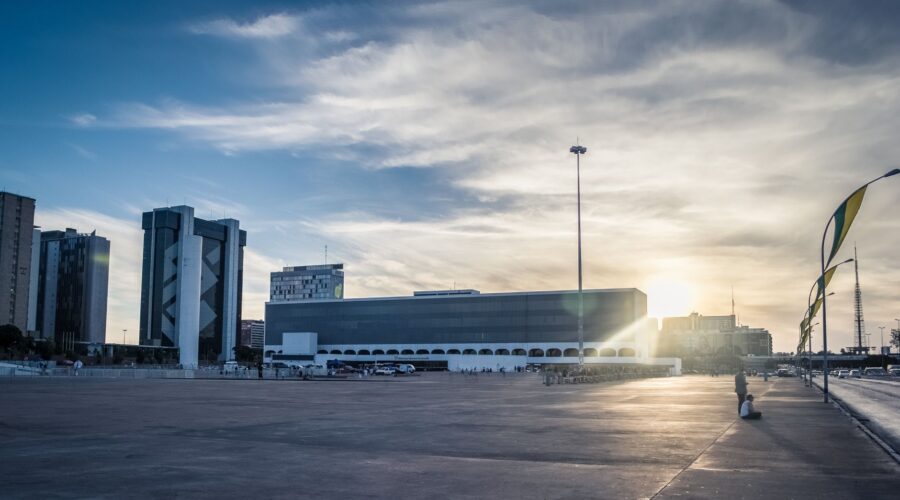
Image: Pexels – MESSALA CIULLA