Blue Shark Effect: Cape Verde’s World Cup Impact on Youth
Cape Verde’s historic debut on the world’s biggest sporting stage is doing more than just rewriting the record books; it is igniting a footballing revolution across the archipelago. As the national team, known affectionately as the Blue Sharks, makes its mark at the 2026 World Cup, a new generation of talent is dreaming of following in their footsteps.
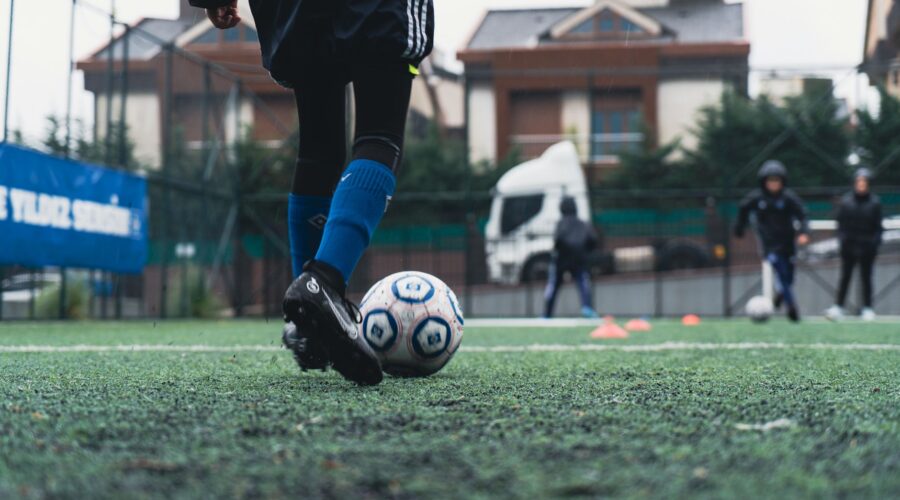
At the Sucupira field in Praia’s Achada Santo António neighborhood, the energy is electric. Every Tuesday and Thursday evening, dozens of young athletes gather on the synthetic turf for training sessions that have taken on a new level of intensity. Clad in the team’s signature blue kits, the children of the Football Children’s Preparation School (EPIF) are no longer just playing for fun—they are playing for a future.
‘The Dream Has Grown’
“I have a dream, which is to represent Cape Verde in the World Cup,” says 10-year-old Liam Antunes. Though smaller than some of his teammates, Liam’s agility and footwork draw eyes every time he touches the ball. For him, the national team’s success is a personal roadmap. “I’ve been trying to score more goals so the coach sees something in me,” he explains, hoping to earn a spot in the island’s youth championships.
The sentiment is echoed by 13-year-old Christian Ramos, who feels the Blue Sharks have finally forced the world to take notice of Cape Verdean talent. “It’s an incredible feeling. We are showing the world that we didn’t just go there to show up; we went there to really play,” Ramos says. He notes that the team’s resilience in the face of challenges has given him the motivation to train with more joy and determination.
A Legacy in the Making
For the coaches and parents watching from the sidelines, the “World Cup effect” is undeniable. Odair Rodrigues, a 44-year-old coach at EPIF, has seen a surge in interest since the tournament began.
“With this participation in the World Cup, the dream has grown,” Rodrigues observes. “There are more parents looking to enroll their children in the school. They are seeing football in a different way now. The boys have to believe it’s possible to make a career out of this.”
A Nation United
The pride felt on the training pitches extends to the streets of Praia. Fans are buzzing after Cape Verde’s impressive 0-0 draw against heavyweights Spain in their opening match on June 15. For 30-year-old Admilsom Silva, that result was a turning point. “Pride increases because we faced one of the great national teams,” he says.
As the Blue Sharks prepare to face Saudi Arabia in Houston, the outcome of the match almost feels secondary to the impact they have already made at home. Whether the team advances further or not, the 2026 World Cup has already secured a lasting legacy: a generation of young Cape Verdeans who finally believe the world stage is within their reach.
Image: Pexels – Emre Simsek