Assomada Market: The Cultural Heart of Santiago, Cape Verde
Nestled in the green, mountainous interior of Santiago—the largest and most populous island of the Republic of Cabo Verde—lies the city of Assomada. As the archipelago’s fourth-largest urban center, Assomada serves as the heartbeat of the Santa Catarina municipality. While the city is known for its stunning vistas and colonial architecture, its true soul is found within the bustling corridors of the Assomada Market.
More than just a place of commerce, the Assomada Market is a vibrant tapestry of Cape Verdean life, offering a sensory explosion of colors, sounds, and scents that reflect the nation’s unique Afro-Portuguese heritage. For travelers and locals alike, it is the ultimate destination to witness the resilience, hospitality, and cultural richness of the “Green Cape.”
A Strategic Crossroads in the Highlands
Assomada’s importance is rooted in its geography. Located roughly 36 kilometers north of the capital, Praia, the city sits at an elevation of about 550 meters. This highland position provides a cooler, more humid climate compared to the arid coastal regions of Sal or Boa Vista. Because the surrounding mountains trap moisture—a phenomenon known as orographic precipitation—the region is one of the few places in the archipelago where agriculture truly flourishes.
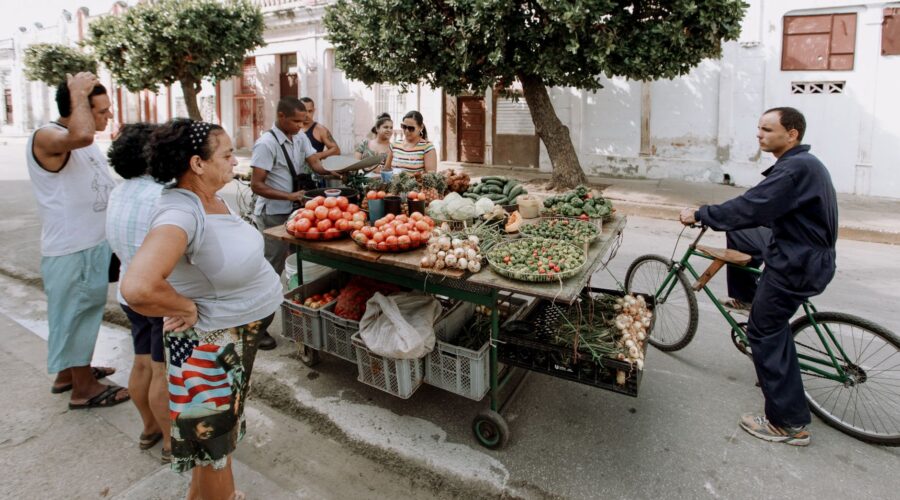
The market acts as the central nervous system for this agricultural bounty. Farmers from the surrounding valleys of Ribeira da Barca and the slopes of Serra Malagueta descend upon the city twice a week to trade. While a smaller market operates daily, the “big” market days—typically Wednesdays and Saturdays—transform the entire town into a sprawling, open-air festival of trade.
The Sights, Sounds, and Flavors of the Market
To enter the Assomada Market is to step into a living museum of Cape Verdean Crioulo culture. The main market building is a sturdy, two-story structure, but the energy spills out into all the surrounding streets. Here, you will find the Rabidantes—the formidable women traders who are the backbone of the Cape Verdean informal economy. Dressed in vibrant clothes and often balancing heavy baskets on their heads with effortless grace, they represent the strength and spirit of the islands.
Agricultural Abundance
Unlike the desert-like islands of the Barlavento group, Santiago’s interior is lush. At the market, stalls groan under the weight of local produce:
- Tropical Fruits: Papayas, mangoes, bananas, and citrus fruits grown in the nearby valleys.
- Vegetables: Mountains of cassava, sweet potatoes, and the beans essential for Cachupa, the national dish.
- Grogue: You will often find vendors selling plastic jugs of Grogue, the potent Cape Verdean rum distilled from sugarcane grown on the island’s steep slopes.
Crafts and Textiles
Beyond food, Assomada is a hub for traditional crafts. Visitors can find Panu di Terra—traditional hand-woven cloths that have deep historical significance, dating back to the era when Cape Verde was a pivotal node in the transatlantic trade. These textiles, featuring intricate geometric patterns, are still used in traditional dance costumes and as ceremonial gifts.
A Cultural Convergence
The Assomada Market is where the different threads of Cape Verdean history meet. The archipelago was uninhabited until the 15th century when Portuguese explorers established the first European settlement in the tropics at nearby Ribeira Grande (now Cidade Velha). Over centuries, the mixing of West African populations and Portuguese settlers created the unique Crioulo identity.
In the market, you hear this history in the language. While Portuguese is the official language for government and education, the market speaks Cape Verdean Creole (Crioulo). The rapid-fire exchange of prices, the laughter between old friends, and the rhythmic calls of vendors are all conducted in this melodic, Portuguese-based Creole that serves as a badge of national identity.
Practical Information for Visitors
If you are planning a trip to Santiago, a visit to the Assomada Market is an absolute must. Here are a few tips to make the most of your experience:
Getting There
The most authentic way to reach Assomada from Praia is by aluguer (shared minibuses). These depart regularly from the Sucupira Market in Praia. The drive is spectacular, winding through the rugged mountains of the interior, offering glimpses of the jagged peaks and deep ravines that define Santiago’s landscape.
Timing Your Visit
While the market is active every day, Saturday is the peak day. Arrive early (around 8:00 or 9:00 AM) to see the market at its most energetic. By mid-afternoon, many vendors begin to pack up as they prepare for the journey back to their mountain villages.
Beyond the Market
While in Assomada, take time to visit the Museu da Tabanka. Located in the former tax office, this museum is dedicated to Tabanka, a traditional form of Cape Verdean music and socio-cultural association that is particularly strong in the Santiago highlands. It provides excellent context for the rituals and rhythms you might encounter in the city.
The Heart of a Resilient Nation
Cape Verde has faced many challenges throughout its history, from devastating droughts to the decline of Atlantic shipping routes. Today, however, the country is a beacon of stability and democracy in Africa. The Assomada Market is a testament to this resilience. It is a place where the economy is built on hard work and community ties, and where the “Morabeza”—the famous Cape Verdean hospitality—is on full display.
Whether you are looking to taste the freshest papaya of your life, buy a handmade souvenir, or simply soak in the atmosphere of a bustling African highland town, the Assomada Market offers an unforgettable window into the soul of Cabo Verde.
Image: Pexels – Mehmet Turgut Kirkgoz