Sugarcane & Volcanic Terroir: Agriculture on Santo Antão
Rising dramatically from the central Atlantic Ocean, the archipelago of Cape Verde (Cabo Verde) is a land of stark contrasts. While islands like Sal and Boa Vista are defined by flat, lunar landscapes and sandy beaches, the island of Santo Antão offers a different world entirely. Here, the volcanic origins of the Macaronesia ecoregion have sculpted a vertical paradise where agriculture defies gravity. At the heart of this rugged terrain lies the production of sugarcane, a crop that has defined the island’s culture, economy, and spirit for centuries.
The Vertical Garden: Santo Antão’s Unique Geography
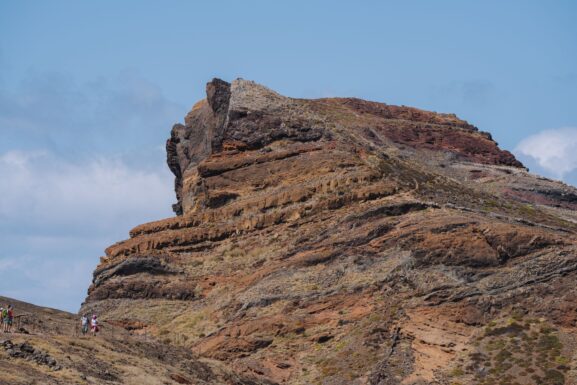
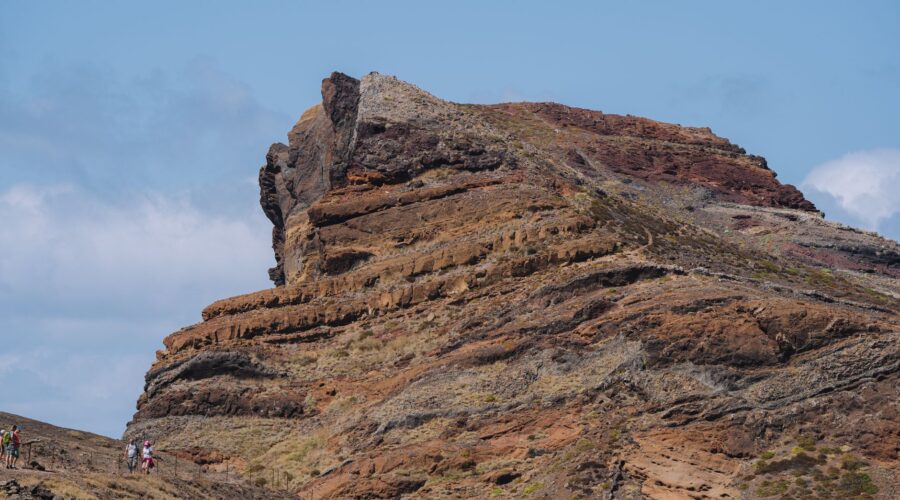
Santo Antão is the second-largest island in Cape Verde and perhaps its most dramatic. Formed by volcanic activity millions of years ago, its landscape is a labyrinth of deep canyons (ribeiras) and towering peaks that reach over 1,900 meters. Unlike the arid eastern islands of the archipelago, the high altitudes of Santo Antão create an orographic effect. Humid Atlantic winds are forced upward by the steep slopes, condensing into mist and rain that feed lush, green valleys.
This unique topography makes Santo Antão the “green lung” of northern Cape Verde. However, the terrain presents a significant challenge for farmers. With very little flat land available—less than two percent of the archipelago’s total land is arable—the inhabitants of Santo Antão have spent generations perfecting terrace farming. Stone-walled terraces cling to the volcanic cliffs, creating a “terroir” that is as difficult to work as it is productive.
Volcanic Terroir: Why Sugarcane Thrives
The term “terroir” is often associated with wine, but it applies perfectly to the sugarcane of Santo Antão. The volcanic soil is rich in minerals such as basalt and potassium, which provide a nutrient-dense foundation for the cane. When combined with the microclimates of the deep valleys—where the heat is trapped by stone walls but cooled by mountain breezes—the result is a sugarcane with a high sugar content and a complex flavor profile.
Unlike industrial sugarcane plantations found in flatter regions of the world, Santo Antão’s crops are largely organic and harvested by hand. The steepness of the slopes makes mechanization impossible. Farmers must navigate narrow paths to reach their plots, often carrying the harvested cane on their backs or using donkeys to transport the heavy stalks to the trapiches (traditional sugar mills) located at the bottom of the valleys.
The Trapiche and the Art of Grogue
In Cape Verde, sugarcane is rarely grown for table sugar. Instead, it is the essential ingredient for the national drink: Grogue. Grogue is a potent, clear rum produced through the fermentation and distillation of pure sugarcane juice.
The transition from cane to spirit is a communal ritual. The trapiche, traditionally powered by oxen but now increasingly by small engines, crushes the cane to extract the juice (calda). This liquid is then fermented in large vats before being distilled in copper stills. On the slopes of Santo Antão, this process remains an artisanal craft, passed down through families, ensuring that the final product retains the smoky, botanical notes of the volcanic soil.
A History Rooted in Trade and Resilience
The story of sugarcane in Cape Verde is inextricably linked to the islands’ history. Uninhabited until the 15th century, the archipelago became a strategic hub for the Portuguese Empire. The islands played a central role in the transatlantic slave trade, where rum and manufactured goods were often traded for labor, gold, and ivory.
Sugarcane was one of the earliest crops introduced by Portuguese settlers to the tropics. While the international slave trade declined in the 19th century, leading to economic hardship and mass emigration to places like the United States and Portugal, the people of Santo Antão turned inward to their land. Agriculture became a tool of resilience. Today, the cultivation of sugarcane on these volcanic slopes is a point of pride, representing a connection to the land that survived centuries of colonial rule and persistent droughts.
Sustainable Agriculture in a Changing Climate
Farming on the slopes of a volcanic island is not without its risks. Cape Verde is part of the Sahelian semi-arid belt and is highly vulnerable to climate change. UN Secretary-General António Guterres has described the nation as being on the “frontlines of the existential crisis” of climate disruption. While the mountains of Santo Antão capture more moisture than the desert islands of Sal or Maio, water management is a constant struggle.
To combat this, farmers utilize ancient and modern techniques:
- Levadas: A sophisticated system of stone-built irrigation channels that carry water from mountain springs down to the terraced fields.
- Renewable Energy: Cape Verde is a leader in renewable energy in Africa, aiming for 50% renewable power by 2030, which helps power modern water-pumping systems.
- Debt-for-Nature Swaps: Innovative financing, such as the 2023 agreement with Portugal, allows the country to invest in environmental projects instead of paying down debt, protecting the biodiversity and watersheds that the sugarcane fields depend on.
Visiting the Slopes: A Guide for Travelers
For visitors, Santo Antão offers some of the most spectacular hiking in the Macaronesia ecoregion. The trek from Cova de Paúl down to the Ribeira do Paúl takes travelers directly through the heart of sugarcane country. Walking these trails, you can smell the sweet scent of fermenting cane and see the morning mist clinging to the basalt cliffs.
Fast Facts for Travelers:
Language: While Portuguese is the official language, you will mostly hear Cape Verdean Creole (Crioulo) spoken in the fields.
Getting There: There is no airport on Santo Antão. Most travelers fly into São Vicente and take a one-hour ferry from Mindelo to Porto Novo.
The Best Time to Visit: The harvest season usually runs from January to June, which is the best time to see the trapiches in operation.
Conclusion
The sugarcane fields of Santo Antão are more than just an agricultural enterprise; they are a living monument to Cape Verdean ingenuity. In a land defined by volcanic rock and Atlantic winds, the farmers of this “Green Cape” have managed to coax sweetness from the most rugged of terrains. Every bottle of Grogue and every terraced hillside tells a story of a people who have turned a challenging geography into a lush, thriving home.
Image: Pexels – Diogo Miranda