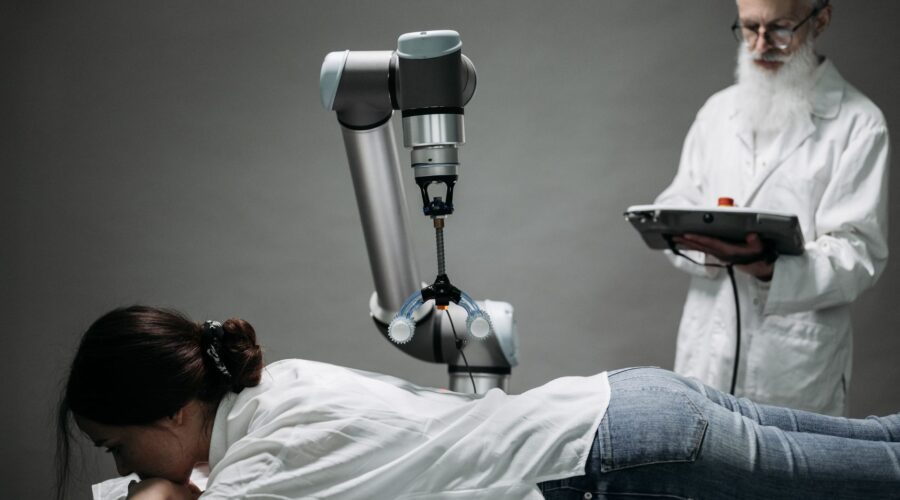
Lisbon Summit: 37 Nations Set Global Standards for AI in Health
Lisbon is set to become the global hub for digital medicine this week as representatives from 37 countries gather for the “Shaping AI in Health” international conference. The high-level summit aims to forge a global consensus on the ethical, safe, and effective integration of artificial intelligence within healthcare systems.
Global Leaders Meet to Define AI Frameworks
Organized by the World Health Organization (WHO) in partnership with the Portuguese Ministry of Health, the two-day event will host health ministers and government delegates from across the globe. The central mission is to strengthen international cooperation and ensure that the rapid advancement of AI leads to responsible innovation rather than unforeseen risks.
The main conference, beginning Wednesday, follows an intensive technical workshop held on Monday. That session brought together a diverse group of researchers, healthcare professionals, academic experts, and public health officials to dissect the immediate opportunities and systemic challenges posed by AI in clinical settings.
Strengthening Ties Across the Lusophone World
In addition to the global summit, a strategic meeting will take place between representatives of Portuguese-speaking nations. Health ministers from Portugal, Brazil, Angola, Cape Verde, São Tomé and Príncipe, and Timor-Leste will convene to discuss specific digital health initiatives tailored to the Lusophone community.
This parallel meeting aims to accelerate the deployment of innovative digital solutions, focusing on how technology can bridge gaps in healthcare access and improve the quality of patient care throughout the Portuguese-speaking world.
A Turning Point for Healthcare Innovation
The Ministry of Health emphasized that this gathering is a critical step in modernizing healthcare. By debating the role of AI today, the participating nations hope to build more resilient and efficient health systems for tomorrow, ensuring that technology serves as a tool for equity and improved medical outcomes.
Image: Pexels – Pavel Danilyuk