Cape Verde Urges Release of Bissau’s Domingos Simões Pereira
The Cape Verdean government has issued a formal call for the “swift release” of Guinea-Bissau opposition leader Domingos Simões Pereira, signaling growing diplomatic pressure on Bissau’s military-backed leadership. In a statement released on Tuesday, Cape Verde expressed deep concern over the detention and offered to act as a mediator to restore the rule of law.
A Push for Constitutional Guarantees
“The Government calls for his swift release and the full restoration of his constitutional guarantees,” the executive branch stated. Authorities in Praia emphasized their readiness to work alongside the Community of Portuguese Language Countries (CPLP) and the Economic Community of West African States (ECOWAS) to find a “peaceful, inclusive, and lasting solution” that protects the fundamental rights of the Bissau-Guinean people.
As a “brother country,” Cape Verde reaffirmed its commitment to defending human rights and volunteered to facilitate dialogue between Bissau’s internal factions and the international community.
Political Turmoil and Allegations of Persecution
The arrest of Domingos Simões Pereira, president of the PAIGC and the National People’s Assembly, has drawn sharp criticism. The African Party for the Independence of Cape Verde (PAICV), the ruling party supporting the Cape Verdean government, condemned the move as “arbitrary detention” and demanded an immediate end to “political persecution.”
Simões Pereira was taken to the cells of Bissau’s Second Police Station last Friday. His legal troubles began following the military coup on November 26. Although he was initially released under house arrest and travel restrictions after two months in custody, new allegations emerged in June. Judicial officials now claim he was involved in a suspected coup attempt just weeks before the general elections held last year.
Defense attorneys for Simões Pereira have dismissed the charges, categorizing the legal action as a politically motivated attempt to sideline the opposition leader.
A Nation at a Crossroads
Guinea-Bissau remains in a state of high political tension. The Military High Command currently governing the nation has scheduled fresh elections for December 6. Additionally, a new Constitution that significantly expands the powers of the Head of State has been drafted and is set for a public referendum on August 30.
The diplomatic rift between the region and Guinea-Bissau is further complicated by recent crackdowns on the press. Media coverage of the crisis is currently being handled remotely following the August expulsion of Portuguese media representatives, including the Lusa news agency, by the Bissau government.
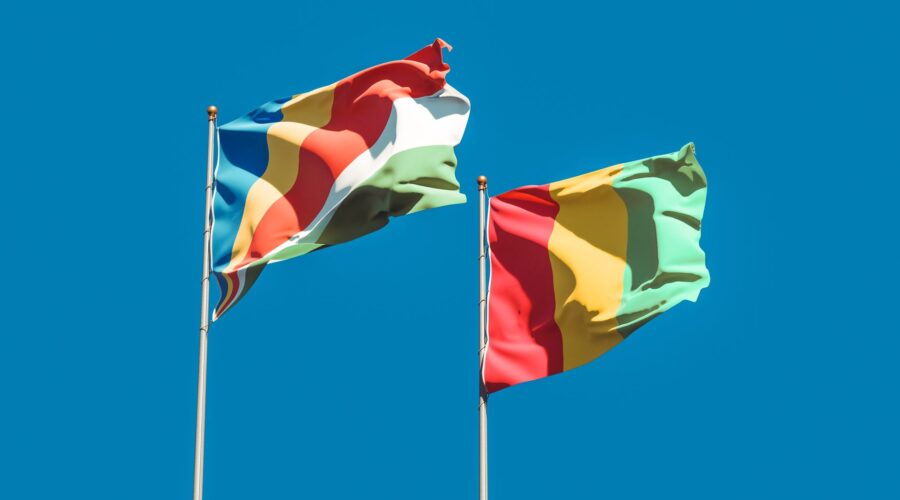
Image: Pexels – Leonid Altman