Catchupa d’Agosto: Sacred Maize Rituals of Cape Verde
In the rugged interior of Santiago, the largest island in the Cape Verdean archipelago, the month of August is not merely a segment of the calendar; it is a period of profound spiritual and existential anticipation. As the dust of the dry season (the tempo de brisa) settles, all eyes turn toward the heavens and the jagged peaks of the highlands. Here, the arrival of the first rains signals the beginning of the “Catchupa d’Agosto” season, a term that transcends culinary definition to represent a complex tapestry of agrarian rituals, ancestral gratitude, and the symbolic rebirth of the land.
The Rhythms of Azágua: More Than Just Rain
To understand the significance of the first maize in the Santiago highlands, one must first understand Azágua—the rainy season. In a country where droughts have historically shaped the collective memory and dictated the flow of migration, rain is synonymous with life itself. When the first heavy downpours drench the volcanic soil in July or August, the landscape undergoes a violent transformation from burnt amber to a neon, pulsating green.
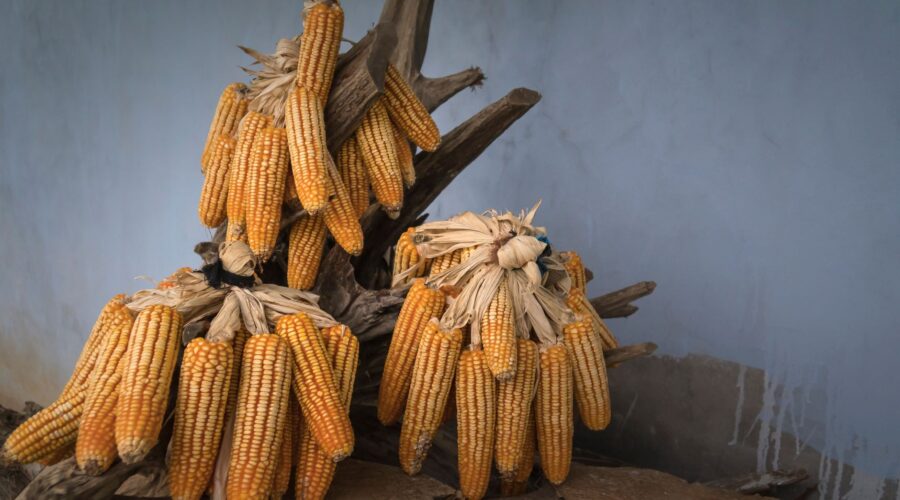
The “Catchupa d’Agosto” refers specifically to the first harvest of the year. Unlike the hardened, dried kernels used for the national dish (cachupa) during the rest of the year, August’s catchupa is made from milho verde (green, tender maize). This fresh harvest is a celebration of survival. It represents the successful negotiation between the farmer and the unpredictable gods of the Atlantic climate.
The Symbolism of the First Maize
In the high-altitude villages like Rui Vaz, Curralinho, and the peaks of Serra Malagueta, the first ear of corn pulled from the stalk is treated with a reverence that borders on the sacred. This “first maize” is the physical manifestation of hope realized. For the people of the interior (the Badius), the maize cycle is a reflection of the human life cycle.
The planting (sassê) is a communal act of faith, often accompanied by songs or murmured prayers. When the maize finally matures in August, the first meal prepared is not just food; it is a ritual. This early catchupa is notably lighter and sweeter, often prepared simply with beans and squash to allow the flavor of the fresh grain to dominate. Sharing this meal is an act of social cohesion, reaffirming the bonds of the Djunta-mon (joining of hands) culture that defines Cape Verdean rural life.
Agrarian Rituals and Rainfall Beliefs
The Santiago highlands are a landscape where Catholicism and ancient West African animist influences have fused into a unique folk spirituality. The “Catchupa d’Agosto” is deeply intertwined with several localized beliefs and rituals:
The Intercession of the Saints
While the harvest is in August, the spiritual preparation begins much earlier. June is the month of the Sanvinte (Saint John and Saint Anthony) festivals, where bonfires are lit and drums are played to “call the rain.” If the rains are late by August, it is not uncommon for villagers to organize processions, carrying statues of saints into the parched fields to show them the state of the crops. The first maize of August is often seen as a “gift” granted by these patron saints in exchange for the community’s devotion.
Reading the Clouds and the ‘Sinais’
Highland farmers possess an ancestral knowledge of meteorology. They look for sinais (signs)—the behavior of certain birds, the direction of the wind coming from the Sahara, or the ring around the moon. If the “Catchupa d’Agosto” is bountiful, it is believed to be a harbinger of a “year of abundance” (ano de fartura). Conversely, if the maize is stunted, the community prepares for scassez (scarcity).
The Ritual of the ‘Pilon’
The preparation of the first maize still involves the pilon (a large wooden mortar and pestle). The rhythmic thumping of the wood against grain is the heartbeat of the Santiago highlands in August. Traditionally, women gather to husk and pound the green corn, singing finaçon—a form of improvised oral poetry that often tells the story of the year’s struggles and the joy of the rain.
The Culinary Soul of the Highlands
While “Cachupa” is the national dish of Cape Verde, the “Catchupa d’Agosto” (or Cachupa de Milho Novo) is a seasonal delicacy that travelers rarely get to experience unless they venture into the mountains. Because the corn is soft and full of milk, the cooking time is shorter, and the texture is vastly different from the dense, slow-cooked version found in Praia’s restaurants.
In the highlands, this dish is often accompanied by “terra products”—local tubers like mandioca (cassava), batata-doce (sweet potato), and heirloom beans like feijão pedra. It is a meal that tastes of the earth and the fog that frequently blankets the Santiago peaks. To eat Catchupa d’Agosto in a local home is to participate in a “communion of the soil.”
Cultural Significance: Resistance and Identity
The focus on the first maize and the rituals of August is also a point of cultural pride. The Badiu culture of Santiago’s interior was forged by those who escaped the coastal plantations and the colonial gaze to create self-sufficient communities in the mountains. For them, the ability to cultivate maize in the vertical landscapes of the highlands was an act of resistance.
Today, as Cape Verde modernizes and climate change makes the rains increasingly erratic, the “Catchupa d’Agosto” has become a symbol of resilience. It reminds the younger generation of their connection to the land and the endurance of their ancestors who survived through fome (famine) by honoring every drop of rain and every grain of corn.
Practical Information for the Culturally Curious
If you are visiting Cape Verde and wish to experience the essence of the Santiago highlands during the August period, keep the following in mind:
- The Timing: The exact date of the “first maize” depends on when the first rains fell. Typically, the mid-to-late August period is peak harvesting time.
- Location: Head to the interior. Towns like Assomada, São Lourenço dos Órgãos, and the mountain villages around Picos offer the most authentic glimpses into these agrarian traditions.
- Respect the Ritual: If you are invited to share a meal of milho novo, remember that it is a symbolic gesture. Expressing gratitude for the rain and the harvest is a courteous way to acknowledge the cultural weight of the meal.
Conclusion: The Eternal Cycle
The “Catchupa d’Agosto” is more than a seasonal recipe; it is the soul of the Santiago highlands laid bare on a plate. It represents the triumph of life over the dry volcanic dust and the enduring bond between the Cape Verdean people and their environment. As the mist rolls over the peaks and the smell of woodsmoke mixes with the scent of damp earth, the consumption of the first maize stands as a powerful reminder that, despite the challenges of the modern world, the ancient rhythms of the rain and the soil still hold the ultimate power over life in the islands.
Image: Pexels – Quang Nguyen Vinh