CPLP at 30: A Milestone Marred by Coups and Conflict
LISBON — The Community of Portuguese Language Countries (CPLP) marks its 30th anniversary on July 17 under a dark cloud of political upheaval. What should have been a celebration of “Lusophone” unity has instead been overshadowed by the suspension of Guinea-Bissau and a wave of instability stretching from West Africa to South America.
Founded in 1996 to foster diplomatic coordination and cultural ties, the nine-nation bloc is currently grappling with internal fractures. The scheduled Council of Ministers meeting in Dili, Timor-Leste, has been postponed, and the organization’s rotating presidency remains in limbo following a military coup in Guinea-Bissau late last year.
A Community Destabilized
The most acute crisis faces Guinea-Bissau, which was suspended from the CPLP in December 2025. Following a military coup on November 26—on the eve of election results—a junta led by General Horta Inta-a seized power. The move drew swift condemnation and suspension from the African Union and ECOWAS. Currently, prominent political figures like former CPLP Executive Secretary Domingos Simões Pereira remain under house arrest as the country eyes a tentative return to the polls later this year.
Guinea-Bissau is far from the only member facing turmoil. The CPLP’s recent history is a patchwork of political crises:
- Mozambique: Post-election violence in 2024 left over 400 dead following a disputed victory by the long-ruling Frelimo party, all while the nation continues to battle an Islamic State-linked insurgency in Cabo Delgado.
- Brazil: The regional giant has faced extreme polarization, culminating in the imprisonment of former President Jair Bolsonaro, who was sentenced to 27 years for an attempted coup d’état following his 2023 election loss.
- Angola: While the MPLA maintains its decades-long grip on power, deadly protests erupted in July 2025 over the removal of fuel subsidies, leaving dozens dead and fueling accusations of political repression.
The Battle for Leadership
The anniversary arrives as a diplomatic rift grows over who will lead the organization in 2027. A divide has emerged between member states: some African nations are pushing for Equatorial Guinea to take the presidency, despite the country being labeled one of the world’s most repressive regimes under Teodoro Obiang Nguema Mbasogo. Conversely, a bloc consisting of Portugal, Brazil, and Timor-Leste is lobbying for a Brazilian presidency to ensure democratic alignment.
Fading Dreams of Global Influence
The CPLP’s ambitious goals have also hit significant roadblocks. A 2016 proposal to make Portuguese an official United Nations language by 2030 has stalled due to high costs. Furthermore, the 2021 “Mobility Agreement”—intended to allow easy travel between member states—has been undermined by national security concerns.
Portugal’s recent “aliens law,” which tightened visa requirements for Lusophone citizens, has sparked particular resentment. Brazil’s Minister of Justice, Ricardo Lewandowski, warned that these measures would be met with “reciprocity,” signaling a cooling of relations between the community’s two largest economies.
Islands of Stability
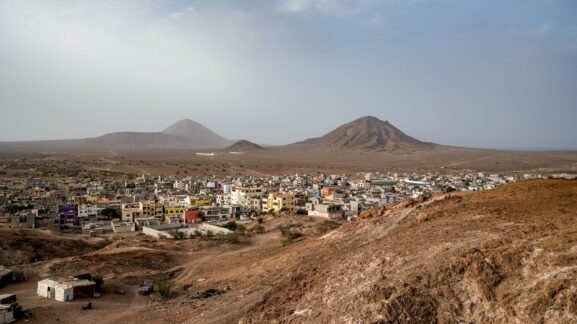
Despite the regional chaos, Timor-Leste and Cape Verde remain the organization’s democratic anchors. Both nations recently completed legislative elections that met international standards, providing a rare example of political stability within a bloc increasingly defined by its volatility.
As the CPLP enters its fourth decade, the challenge for Executive Secretary Maria de Fátima Jardim will be to move beyond linguistic ties and address the stark democratic deficit that threatens to make the organization’s 30th year its most difficult yet.
Image: Pexels – Leonid Altman