WHO: Cruise Ship Hantavirus Outbreak Not a New Pandemic
In a briefing from Geneva on Tuesday, the World Health Organization (WHO) moved to calm international fears regarding a deadly hantavirus outbreak aboard a luxury cruise ship. Despite three confirmed deaths and growing public concern, officials emphasized that the situation does not signal the start of a new global pandemic.
“Not the Next COVID-19”
“This is not the start of an epidemic. It is not the start of a pandemic,” stated Maria Van Kerkhove, the WHO’s acting director for Epidemic and Pandemic Prevention and Preparedness. Addressing comparisons to the 2020 health crisis, Van Kerkhove clarified that hantavirus is a well-known pathogen that behaves very differently from coronaviruses.
While the virus is dangerous, the current outbreak is confined to a single vessel. “This is an outbreak on a ship, in a confined space, with five confirmed cases so far,” she added, stressing that the incident serves as a critical reminder to invest in research for screening tests and vaccines.
The Investigation: From Patagonia to Cape Verde
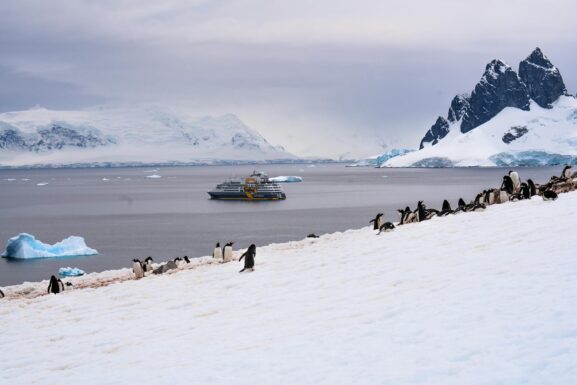
The outbreak occurred aboard the MV Hondius, which departed from Ushuaia in Patagonia on April 1. The ship was en route to Cape Verde when the virus began to spread. Investigators are currently working to determine whether the initial transmission occurred via rodents during stops in Argentina, Chile, or Uruguay, or if the virus was already present on the ship.
WHO Director-General Tedros Adhanom Ghebreyesus confirmed eight total cases linked to the voyage: five laboratory-confirmed and three suspected. He warned that because the “Andes strain” of the virus has an incubation period of up to six weeks, more cases may surface in the coming days.
Timeline of the Outbreak
- April 6: “Patient Zero,” a 70-year-old Dutch man, develops symptoms including fever and headache. He passes away on board on April 11.
- April 25: The man’s 69-year-old wife flies to Johannesburg, South Africa, intending to return to the Netherlands. She dies the following day; her infection is confirmed on May 4.
- May 2: A German citizen dies on board the ship after falling ill on April 28.
- Current Status: A Swiss passenger is currently hospitalized in Zurich after testing positive, while several crew members have been evacuated by medical flights from Cape Verde.
A Rare and Dangerous Strain
Hantaviruses are typically transmitted to humans through contact with the saliva, urine, or feces of infected wild rodents. However, the Andes strain detected in this outbreak is unique—it is the only known strain capable of human-to-human transmission. Currently, there is no vaccine or specific treatment for the virus.
Abdi Rahman Mahamud, director of health emergency alert and response operations, expressed confidence that the outbreak will remain contained. “We are confident it will remain limited if public health measures are applied and if all countries show solidarity,” Mahamud said.
Image: Pexels – Diego F. Parra