Saving the Santiago Heron: The Fight for Cape Verde’s Rare Bird
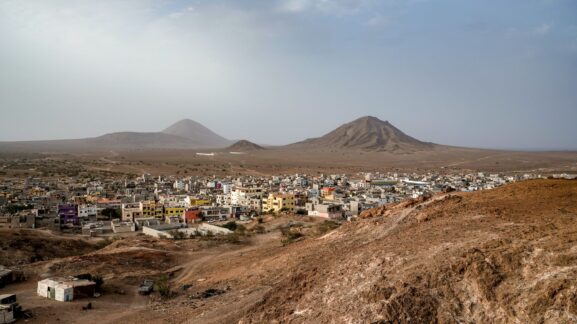
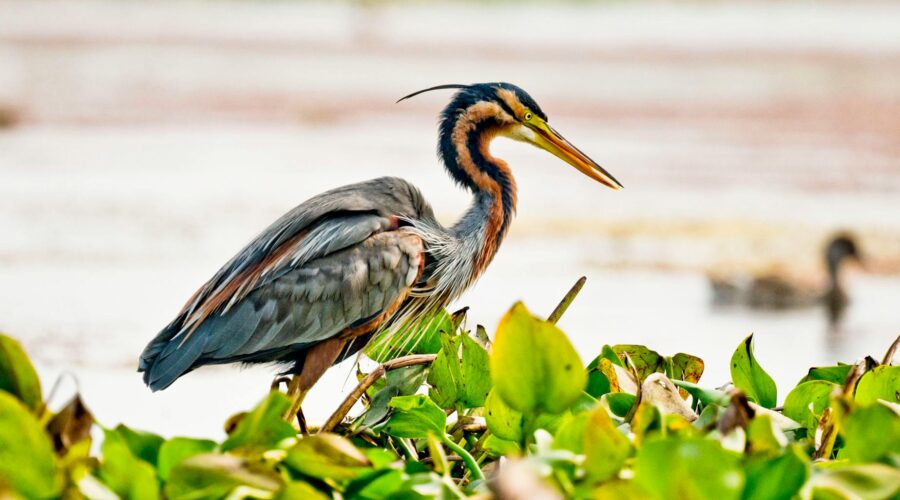
On the rugged slopes of Santiago Island, Cape Verde, conservationists are literally climbing trees to prevent a unique piece of natural history from vanishing. Technicians from the environmental organization Lantuna are racing against time to protect the Purple Heron (*Ardea purpurea bournei*), a subspecies found nowhere else on Earth.
Known locally as the “Santiago heron,” this rare bird is the focus of an intensive monitoring campaign. In the municipality of São Domingos, just a few kilometers from the capital city of Praia, the Lantuna team navigates steep, slippery paths and scorching heat to reach the hidden colonies where the birds nest.
Under Watchful Eyes
Unlike most herons that frequent coastal wetlands, the Santiago purple heron prefers the wooded, humid interiors of the island. To understand the bird’s mysterious habits, technicians like Samir Martins are deploying high-tech tools alongside traditional fieldcraft.
“We are monitoring the colonies using surveillance cameras and GPS units on adults to track their feeding areas,” Martins explained. “We are also banding chicks, collecting biometric data, and taking blood samples for genetic studies to fill the massive data gap regarding this species.”
Currently, there are 23 recorded colonies scattered across the island, including hotspots like Boa Entrada and the Poilão Dam. However, some sites have seen a worrying decline in numbers in recent years.
A Desert of Threats
The survival of the Santiago heron is jeopardized by a cocktail of human and environmental factors. Invasive predators like feral cats roam the habitat, while open water reservoirs—intended for irrigation—act as lethal traps where birds frequently drown. Perhaps most distressing is the continued poaching of birds and eggs for consumption or sport.
“These are difficult threats to control,” Martins admitted. To combat this, Lantuna has launched community awareness programs. They are teaching farmers and students that the heron is actually a vital ally in agriculture, acting as a natural pest control by hunting rodents.
The Danger of the Job
Protecting a species on the brink is physically demanding work. Nadito Barbosa, a technician who joined the team in 2023, often finds himself scaling towering trees and navigating dangerous terrain that remains inaccessible to most. When the heights become too hazardous, the team relies on binoculars, telescopes, and drones to conduct aerial counts.
“This work is not easy, and it can be dangerous,” Barbosa said. “But when you love what you do, the difficulties become smaller. It’s a fascinating field that requires a constant influx of new knowledge and tools.”
A Final Stand for Biodiversity
The urgency of the mission is underscored by a sobering trend in Cape Verde: the regional disappearance of other avian species, such as the frigatebird, which has stopped nesting on Boa Vista. Experts fear the purple heron could be next if immediate action isn’t taken.
Despite the challenges, there are glimmers of hope. Interest in birdwatching is growing among local tour guides, signaling a shift toward valuing biodiversity as a sustainable economic resource. For Lantuna, the goal remains clear: ensuring that the “Santiago heron” continues to soar over the island it has called home for millennia.
Image: Pexels – Dr. Gurudas Ray