Cidade Velha: First European Settlement in the Tropics
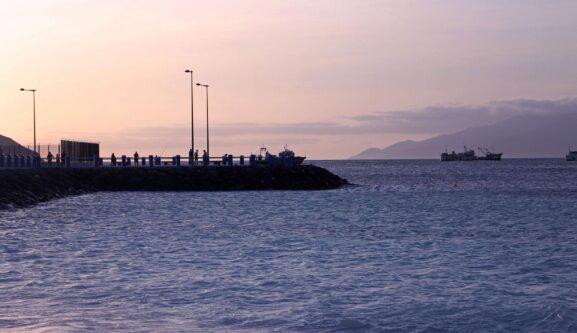
Deep within the central Atlantic Ocean, approximately 600 kilometers off the coast of West Africa, lies a place where global history took a definitive turn. Today, it is known as Cidade Velha (“Old City”), but when it was founded in 1462, it bore the name Ribeira Grande. This small coastal settlement on the island of Santiago holds a monumental title: it was the first permanent European settlement in the tropics.
Ground Zero for the Atlantic Era
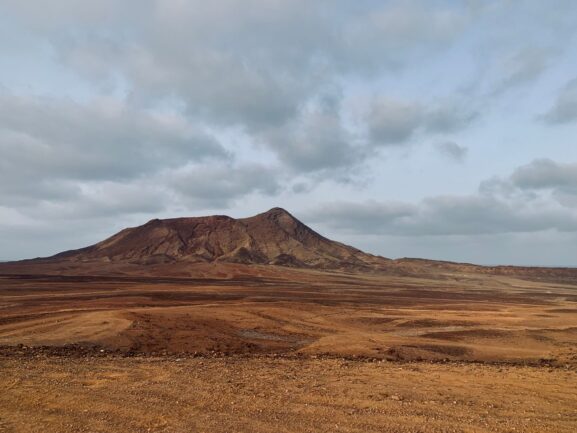
The story of Cidade Velha begins in the mid-15th century. Before the arrival of Portuguese and Genoese navigators around 1456, the ten volcanic islands that make up the Cape Verde (Cabo Verde) archipelago were entirely uninhabited. They were rugged, volcanic outcrops formed 40 to 50 million years ago, standing as silent sentinels in the Macaronesia ecoregion.
Following the discovery attributed to navigators like António de Noli and Diogo Gomes, the Portuguese Crown recognized the strategic value of these islands. In 1462, settlers landed in a lush valley on the southern coast of Santiago. They named the site Ribeira Grande due to the large river that flowed through the valley, providing a rare and precious source of fresh water in an otherwise arid region. This settlement marked the beginning of a new epoch, representing the first time Europeans successfully established a permanent residence in the tropical belt.
A Strategic and Somber Hub
Cidade Velha’s location was no accident. Its position made it a crucial maritime crossroads between Europe, Africa, and the Americas. By the 16th century, the town had blossomed into a prosperous commercial center. However, much of this wealth was founded on the transatlantic slave trade. Ribeira Grande became a sorting point and a supply station where manufactured goods, rum, and cloth were traded for African slaves, gold, and ivory.
The town’s prosperity attracted more than just merchants; it drew the attention of some of history’s most famous privateers and explorers. In 1585, the English privateer Sir Francis Drake twice sacked the city. In 1832, a young Charles Darwin made his first stop here during his voyage on the HMS Beagle, noting the unique geology and flora of the volcanic landscape.
Architectural Remnants of a Golden Age
Today, Cidade Velha is a UNESCO World Heritage site, recognized for its exceptional testimony to the beginnings of European colonial expansion. Visitors can still walk through the remnants of its former glory:
- Fortaleza Real de São Filipe: Perched on a hill 120 meters above the sea, this fortress was built in 1587 to defend the city against pirate attacks after Drake’s raids. It offers a commanding view of the Atlantic.
- The Pelourinho (Pillory): Located in the main square, this 16th-century marble monument stands as a somber reminder of the slave trade, used to punish and display enslaved people.
- Sé Catedral: Construction began in 1556 and took over a century to complete. Though now in ruins, the scale of the cathedral speaks to the city’s former religious and administrative importance as a Bishop’s seat.
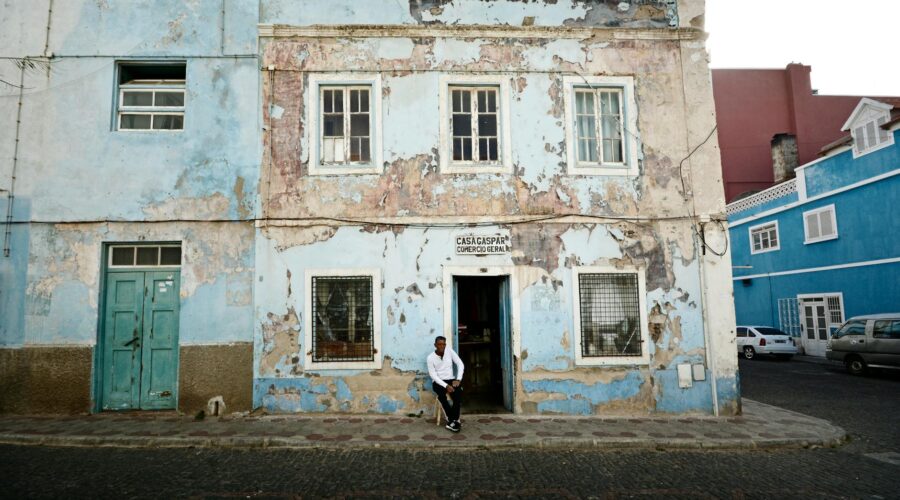
- Rua Banana: This is arguably the oldest street in sub-Saharan Africa. With its traditional stone houses and thatched roofs, it provides a vivid glimpse into the settlement’s early residential life.
The Shift to Praia and Economic Decline
The dominance of Ribeira Grande eventually waned. In 1712, a devastating attack by French forces led to a significant decline in the town’s security and influence. By 1770, the administrative capital was moved to nearby Praia, which offered a more defensible position and a superior harbor. The “Great River” settlement was renamed Cidade Velha to distinguish it from the newer administrative centers, and it gradually transitioned into a quiet fishing village.
The 19th century brought further challenges. As the slave trade was abolished and persistent droughts plagued the islands, the local economy crumbled. Many Cape Verdeans were forced to emigrate, establishing the vast diaspora that today exists in the United States and Portugal—a population that significantly outnumbers those living on the islands themselves.
Cidade Velha in the Modern Era
Since Cape Verde gained independence in 1975, there has been a renewed focus on preserving the heritage of Cidade Velha. The country has transformed into a stable representative democracy, often cited as one of the most developed and peaceful nations in Africa. This stability has paved the way for a burgeoning tourism industry centered on cultural authenticity.
Today’s visitors to Cidade Velha find a community that balances historical preservation with modern Cape Verdean life. The sounds of Morna music (the nation’s soulful traditional genre) and the smell of roasting coffee from the mountains fill the air. The local language, Cape Verdean Creole (Crioulo), was born here—a linguistic fusion of Portuguese and West African languages that serves as the heartbeat of the national identity.
Practical Information for Travelers
For those looking to visit the “birthplace of Cabo Verde,” Cidade Velha is easily accessible from the current capital, Praia.
- Getting There: It is a short 20-minute drive or taxi ride from Praia. Public vans known as alugueres also run frequently between the two cities.
- Climate: The best time to visit is between November and June, when the weather is mild and dry. Temperatures typically range from 22°C to 27°C.
- Sustainability: Cape Verde is a leader in renewable energy and climate action. Visitors are encouraged to respect the fragile volcanic ecosystem and the historical ruins.
Conclusion
Cidade Velha is more than just a collection of ruins; it is the cradle of a nation and a primary link in the chain of global history. As the first permanent European settlement in the tropics, it witnessed the collision of cultures, the horrors of the slave trade, and the birth of a unique Creole identity. Standing between the ancient stone walls of the Sé Catedral and the azure waters of the Atlantic, one cannot help but feel the weight of five centuries of history under the tropical sun.
Image: Pexels – damien Saillet