The Cura de Sete Fontes: Cape Verde’s Sacred Spring Rituals
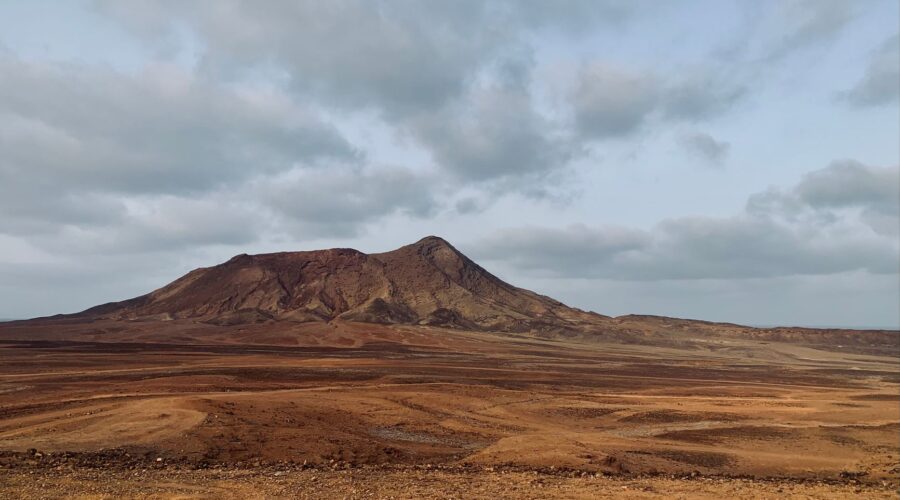
In the arid, volcanic landscapes of Cape Verde, where water has historically been more precious than gold, the relationship between the islanders and their natural springs transcends simple survival. Deeply embedded within the cultural tapestry of the archipelago is a mystical tradition known as the Cura de Sete Fontes (The Cure of Seven Springs). This ancient ritual, blending elements of Roman Catholic folk devotion, West African animism, and the harsh realities of island life, represents one of the most intriguing aspects of Cape Verdean spiritual heritage.
For centuries, the inhabitants of islands like Santiago, Santo Antão, and Brava have looked to specific springs—often hidden in remote ravines or perched on jagged cliffs—not just for hydration, but for divine intervention. The Cura de Sete Fontes is not merely a bath; it is a complex spiritual pilgrimage designed to cleanse the body of illness, the mind of misfortune, and the soul of the “evil eye.”
The Origins: A Syncretic Spiritual Landscape
To understand the Cura de Sete Fontes, one must first understand the unique melting pot of Cape Verdean history. When the Portuguese colonized these uninhabited islands in the 15th century, they brought with them European traditions of holy wells and saintly miracles. Simultaneously, enslaved peoples from the West African coast brought their own deep-seated reverence for water spirits and the medicinal properties of the earth.
Over generations, these beliefs fused. In the Cape Verdean worldview, water is a threshold between the physical and spiritual realms. The number seven, universally symbolic of completion and divine order, became the requisite number of sources needed to complete a truly powerful healing cycle. While the Catholic Church may have provided the names for certain springs (often dedicated to the Virgin Mary or Saint John), the rituals performed there retained a distinctly rhythmic, ancestral character.
The Geography of the Sacred
The ritual is most prevalent on the “mountain islands”—those with enough elevation to trap clouds and produce permanent springs. Santiago, the largest island and the heart of Afro-Cape Verdean culture, is the primary setting for these practices. Here, the rugged interior of the Ribeira Grande and the mountains of Serra Malagueta house springs that are whispered to possess “living water” (águia viva).
In Santo Antão, the “Green Island,” the ritual takes on a more arduous character. Pilgrims must often trek for hours through vertical landscapes to reach the seven sources. This physical sacrifice is seen as an essential component of the cure; the sweat and effort expended are thought to “open the pores” of the spirit, making it receptive to the water’s blessing.
The Characteristics of Periodic Springs
Not every puddle or stream qualifies for the ritual. A spring used in the Cura de Sete Fontes must be “born” from the rock. It should ideally be a source that has never run dry, symbolizing eternal life. Folklore dictates that the water is most potent at dawn, before the sun has “stolen” its energy, or under the influence of specific lunar cycles, particularly the New Moon for shedding illness and the Full Moon for attracting fertility or luck.
The Ritual: A Step-by-Step Spiritual Cleansing
While variations exist between islands and individual practitioners (often called curandeiros or rezadeiras), the core structure of the Cura de Sete Fontes remains consistent. It is a process of physical immersion and prayer.
1. The Selection of the Springs
The seeker, often guided by a spiritual elder, identifies seven distinct water sources. These do not necessarily have to be in the same valley, but they must be visited in a specific sequence. In some traditions, the springs must represent different “personalities”—some for strength, some for cooling fevers, and some for clarity of vision.
2. The Offering
Upon arriving at each spring, it is customary to “pay” the spirit of the water. This is rarely monetary. Traditionally, an offering might consist of a small piece of bread, a sprinkle of cornmeal, or a few drops of grogue (local sugarcane spirit). This gesture acknowledges that the water is a gift from the earth and creates a covenant between the seeker and nature.
3. The Ablution and Prayer
The pilgrim does not simply drink the water. They must wash specific parts of the body—the forehead, the nape of the neck, the heart, and the feet—in a particular order. During this process, a rhythmic “reza” (prayer) is recited. These prayers often mix standard Catholic orisons with Creole incantations that call upon the “Sereia” (Mermaid) or the “Mães de Água” (Mothers of Water) to carry away the “maloio” (bad luck or illness).
4. The Silence of the Return
Perhaps the most challenging part of the ritual is the requirement of silence. In many local traditions, after the seventh spring is visited, the participant must return home without looking back and without speaking a single word to anyone they meet on the path. Breaking this silence is believed to “spill” the accumulated grace of the waters.
The Symbolism of the ‘Siete’ (Seven)
Why seven? In Cape Verdean folklore, the number seven appears constantly—in the seven days of the week, the seven colors of the rainbow, and the seven sorrows of Mary. In the context of the Cura, it represents a complete cycle of transformation. It is believed that by the time a person reaches the seventh spring, they have undergone a total metaphorical shedding of their old skin. The seventh spring is the “Amen,” the final seal on the healing process.
Modernity vs. Tradition: The Ritual Today
In the 21st century, with the expansion of modern medicine and the increasing urbanization of Cape Verde, the Cura de Sete Fontes has moved from a mainstream medical alternative to a more private, esoteric cultural practice. However, it is far from extinct.
Many Cape Verdeans living in the diaspora—in Lisbon, Boston, or Rotterdam—often return to their home islands specifically to undergo a spiritual cleansing. When Western medicine fails to diagnose a lingering malaise or a string of professional failures, the “call of the waters” becomes a powerful psychological and spiritual pull. It is a way for the diaspora to reconnect with their roots and find a sense of groundedness that the modern world often lacks.
Environmental Preservation and Sacred Sites
Interestingly, the folklore surrounding these sacred springs has served as an informal method of environmental conservation. Because certain springs are considered “holy,” the communities around them have historically protected them from pollution and over-exploitation. Today, some cultural NGOs in Cape Verde are looking at the Cura de Sete Fontes as a way to promote eco-tourism and the preservation of natural water resources by highlighting their cultural significance.
Conclusion: The Enduring Power of the Water
The Cura de Sete Fontes is more than a superstitious relic; it is a profound expression of the Cape Verdean soul’s resilience. In a land defined by its volcanic origins and its historical struggles with drought, water is the ultimate symbol of hope and renewal.
To walk the path of the seven springs is to participate in an ancient dialogue between humanity and the elements. It reminds us that healing is not always found in a pill or a procedure, but sometimes in the simple, rhythmic act of seeking out the earth’s hidden gifts and washing oneself clean in the cool, silent breath of the mountains. For the people of Cabo Verde, as long as the springs continue to flow, the spirit of the Cura will remain—a testament to the enduring power of faith, heritage, and the sanctified waters of the Atlantic.
Image: Pexels – Bibi Kiekens