Sao Tome Seeks UNESCO Status for Historic Colonial Plantations
The government of Sao Tome and Principe is bracing for a potential surge in tourism and international aid as UNESCO prepares to vote on whether to designate the nation’s historic colonial plantations, known as “roças,” as World Heritage sites. The decision is expected during the 48th session of the World Heritage Committee, meeting in South Korea through July 29.
A Dual Opportunity for Development and Preservations
In an interview with Lusa, Minister of Culture Isabel Maria Correia Viegas de Abreu expressed optimism that the distinction would transform the island nation’s economic landscape. Under the application titled “The Roças of Sao Tome and Principe: Colonial Agricultural System and Forced Migration,” the government hopes to spotlight the unique architectural and social history of the estates.
“It is a responsibility of the government,” Abreu said, acknowledging that the designation requires a commitment to safeguarding the sites. “We must work on preservation as a form of compensation to the communities and to enhance tourist attraction. We count on the support of the private sector, the state, and small business owners to make this a success.”
Tourism Fueling Local Creative Industries
The minister emphasized that the benefits of UNESCO status extend beyond mere recognition. The government plans to leverage the global platform to channel support directly into local communities, fostering “creative industries” centered around the estates. “Each roça has its own specificity,” Abreu noted, highlighting that tourism is the primary driver expected to lift these rural areas.
A Legacy of Coffee, Cocoa, and Forced Labor
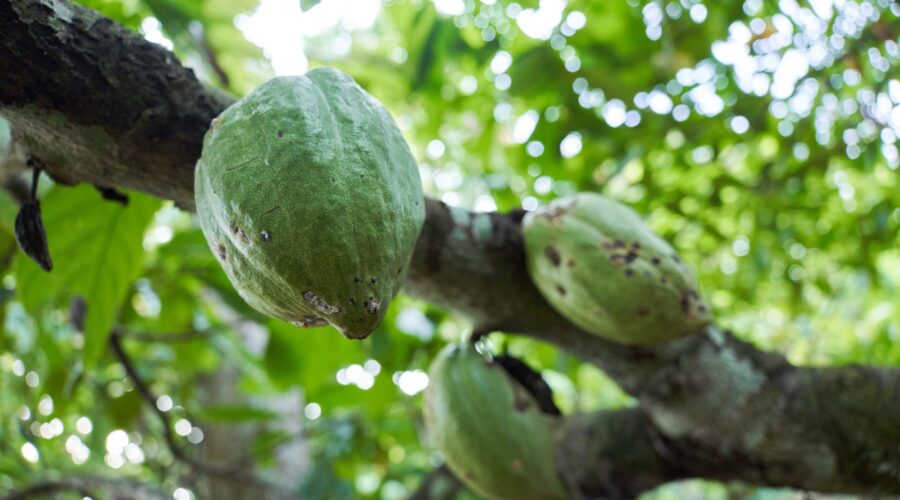
The application covers six specific roças, focusing on the 19th-century transition to cocoa and coffee monocultures under Portuguese rule. While the estates are architectural marvels, they also represent a dark period of history; they functioned as a feudal colonial system powered by forced labor from across the African coast, including Angola, Mozambique, Cape Verde, and Benin.
Today, sites such as Sundy, Monte Café, and Água-Izé remain largely authentic. Their sprawling layouts include original hospitals, schools, churches, and social hubs that have survived for over a century without modern recreation, offering a rare glimpse into a globalized agricultural past.
A Growing List of Global Honors
If successful, this will be the latest in a series of prestigious accolades for Sao Tome and Principe. Last year, the nation became the first to have its entire territory classified as a UNESCO World Biosphere Reserve. Additionally, “Tchiloli”—the country’s unique fusion of traditional dance and popular theater—was added to the list of Intangible Cultural Heritage of Humanity.
The World Heritage Committee is currently evaluating 30 new sites for inscription. A positive result for Sao Tome and Principe would place the roças among 1,248 iconic locations globally recognized for their “outstanding universal value.”
Image: Pexels – Xavier Messina