São Tomé and Príncipe Seeks UNESCO Status for Roças
The government of São Tomé and Príncipe is bracing for a potential tourism boom as its historic “roças”—colonial-era plantation estates—stand on the verge of being named UNESCO World Heritage sites. The final decision is expected at the 48th session of the World Heritage Committee, currently meeting in South Korea through July 29.
Minister of Culture Isabel Maria Correia Viegas de Abreu told Lusa that the prestigious distinction carries both immense opportunity and significant responsibility. The archipelago’s bid, titled “The Roças of São Tomé and Príncipe: Colonial Agricultural System and Forced Migration,” highlights the unique cultural and architectural legacy of the 19th-century cocoa and coffee monocultures.
A Double-Edged Legacy
The candidacy encompasses six specific roças, including Sundy, Monte Café, and Água-Izé. These estates once functioned as self-contained colonial production centers modeled after feudal systems. During their peak in the late 19th and early 20th centuries, they relied on forced labor from across the African coast, drawing workers from present-day Angola, Mozambique, Cape Verde, and Congo.
Minister Abreu emphasized that while the history is rooted in a painful colonial past, the preservation of these sites is vital for the nation’s future. “We have to work on safeguarding these sites as a form of compensation to the communities,” she said, noting that the goal is to develop a “creative industry” that provides direct support to the people living within the roças today.
Tourism as a Catalyst for Growth
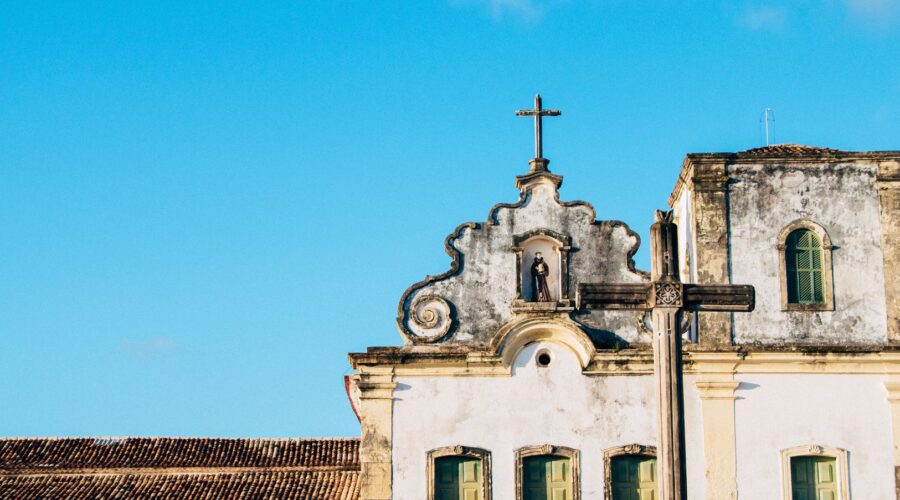
The government anticipates that UNESCO recognition will transform the roças into major international landmarks. Each estate possesses a distinct character, maintaining original urban and social infrastructures such as hospitals, nurseries, schools, and churches. This authenticity makes them prime candidates for heritage tourism.
“Tourism attraction is the strong point that we believe the roças will serve,” Abreu said. “We are counting on the support of everyone—the private sector, the state, and small entrepreneurs—to ensure this success.”
Building on Recent Success
A victory in South Korea would add to a growing list of international accolades for the island nation. Last year, São Tomé and Príncipe became the first country in the world to have its entire territory classified as a UNESCO World Biosphere Reserve. Additionally, Tchiloli—a centuries-old performance art blending theater, music, and dance—was inscribed on the List of Intangible Cultural Heritage of Humanity.
If successful, the roças will join 1,248 sites across 170 countries that UNESCO recognizes for their “outstanding universal value.” This classification not only boosts visibility but legally commits member states to protecting these emblematic locations for future generations.
Image: Pexels – Rafael Aguiar