Russia Offers Floating Nuclear Plants to Energy-Starved Africa
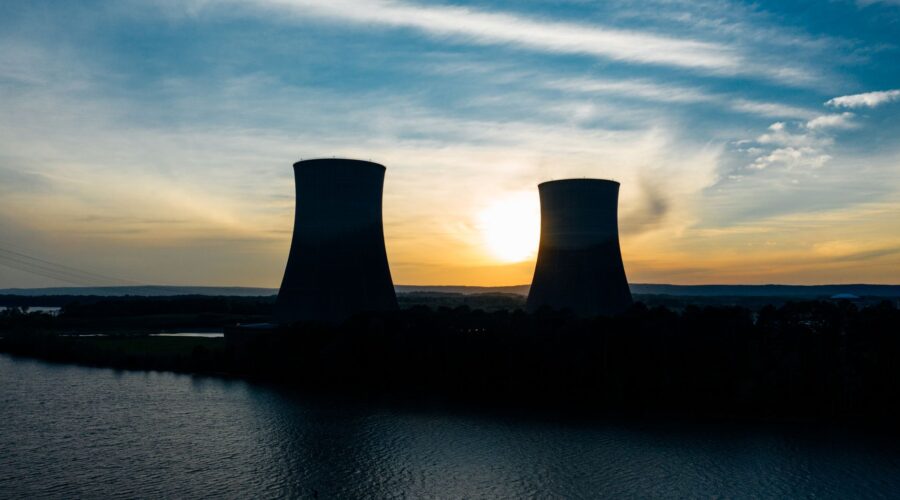
Russia is ramping up its energy diplomacy in Africa, offering to deploy floating nuclear power plants to provide what it calls “affordable” electricity to the continent. The proposal, unveiled during the third Russia-Africa Summit in Moscow, signals the Kremlin’s intent to secure a dominant role in Africa’s energy future while bypassing traditional Western influence.
Targeting Energy-Starved Regions
Alexei Likhachev, President of the Russian state nuclear agency Rosatom, revealed that concrete projects are already under discussion with Egypt, Tanzania, Togo, and Namibia. According to Likhachev, the demand for modular nuclear technology is surging across the continent.
“Nine African countries have already expressed great interest in this technology,” Likhachev told reporters, noting that the mobile nature of the plants makes them ideal for regions struggling with high energy costs and limited financial resources. He argued that these plants would provide energy to 38 of the 54 African nations with “minimal influence of external factors on electricity prices.”
A Unique Russian Asset
Russia currently holds a global monopoly on operational floating nuclear technology. Its only functioning plant has been docked in the remote Arctic region of Chukotka since 2020. Moscow hopes to export this model to supply hard-to-reach coastal areas, presenting it as a solution for African economies that pay high prices for unreliable power.
Beyond Power: Mining and Strategic Alliances
The energy push is part of a broader Russian strategy to secure critical minerals. Likhachev highlighted a newly launched uranium mining project in Namibia and a lithium mining venture in Mali, where reserves are estimated at over 4,000 tons. These moves underscore Moscow’s efforts to control the supply chains for both nuclear fuel and the materials needed for the global green energy transition.
Strengthening Geopolitical Ties
The summit, held this week in Moscow, saw participation from 48 countries, including 22 heads of state. Lusophone nations were well-represented, with the presidents of Mozambique and Equatorial Guinea attending, while Angola, Cape Verde, and Guinea-Bissau sent ministerial delegations.
As tensions with the West remain at historic highs, Russia is leaning heavily into its economic and military partnerships in Africa. By positioning itself as a provider of stable, high-tech energy solutions, Moscow aims to build long-term dependencies that solidify its influence across the continent.
Image: Pexels – K