
Rising Costs Force Record Immigrant Returns from Portugal
LISBON – More than 2,000 immigrants in Portugal have applied for government-backed assistance to return to their home countries since 2020, with the monthly average of applicants surging by over 40% in the last year alone.
According to data from the ARVoRe program, managed by the International Organization for Migration (IOM), the number of monthly registrations for voluntary return jumped from an average of 55 in 2025 to 79 through September 2026. Experts attribute the spike to the rising cost of living and the increasing difficulty of securing housing and stable employment in Portugal.
Brazilians Lead Requests for Support
Brazilians, who represent the largest foreign community in Portugal with nearly half a million residents, make up 86% of all applicants. Of the 2,048 people who registered for the program, 1,767 were Brazilian. Other nationalities seeking assistance include citizens from São Tomé and Príncipe, Colombia, Iraq, and Argentina.
Vasco Malta, head of the IOM mission in Portugal, noted that social media and word-of-mouth have played a significant role in the program’s visibility. “Many people seek us out because they know of another family or person who has already requested IOM support to return,” Malta told Lusa news agency.
Economic Struggles Cut Migration Projects Short
The decision to leave Portugal is rarely easy. Malta explained that immigrants often face a “perfect storm” of challenges that force them to abandon their migration goals. Key factors include:
- Precarious working conditions and job market barriers.
- Bureaucratic obstacles in regularizing migration status.
- Extreme difficulty accessing affordable housing.
- Gaps in access to healthcare and education.
“All these factors contribute to a person effectively wanting to interrupt their migration project in Portugal,” Malta said, adding that the trend is likely to continue as economic pressures mount.
The Gap Between Registration and Departure
Despite the high number of applicants, only 325 people have actually completed their return through the program. This discrepancy is due to several factors. Some applicants find employment or family support after registering and decide to stay. Others choose to travel by their own means because the program’s internal procedures—which typically take two to three months—cannot accommodate emergency situations like a family death.
“We are not a travel agency,” Malta emphasized. “We must ensure that the person has an informed view of the return.”
A Lifeline for the Vulnerable
The ARVoRe IX project, co-financed by the Asylum, Migration and Integration Fund (FAMI 2030) and the Agency for Integration, Migration and Asylum (AIMA), prioritizes applicants based on vulnerability. Support is not limited to a plane ticket; it includes:
- Administrative Aid: Help obtaining passports and travel documents.
- Travel Stipends: A daily allowance of 75 euros per person for travel-related expenses.
- Reintegration Grants: Up to 2,000 euros per person to help start a small business or enroll in training upon arrival in their home country.
- Medical Accompaniment: Professional health support for those with serious medical conditions during the journey.
By focusing on long-term reintegration rather than just a flight home, the program aims to ensure that those who return have a viable “life plan” to restart their lives with dignity.
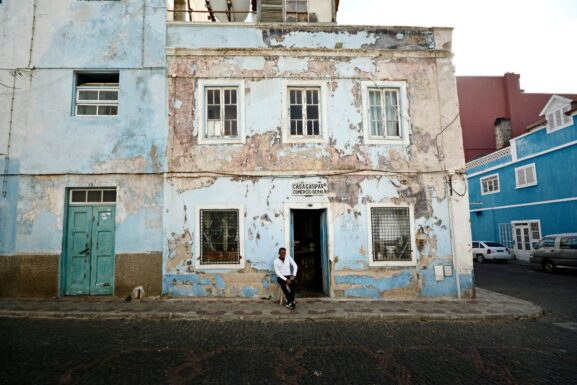
Image: Pexels – Earl Andre Roca