Ribeira Grande: The 16th-Century Atlantic Trade Hub
In the mid-15th century, the ten volcanic islands of the Cape Verde archipelago sat silent and uninhabited in the eastern Atlantic. Discovered by Genoese and Portuguese navigators around 1456, these islands were destined to become the epicenter of a new, globalized economy. At the heart of this transformation was Ribeira Grande, a settlement on the island of Santiago that would serve as the first permanent European city in the tropics and a vital engine for the 16th-century Atlantic economy.
The Birth of Ribeira Grande: A Strategic Outpost
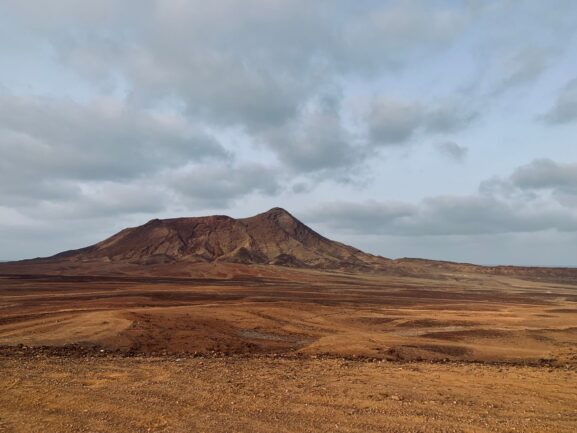
Founded in 1462, Ribeira Grande (known today as Cidade Velha) was perfectly situated to bridge the gap between Europe, Africa, and the Americas. Located approximately 600 to 850 kilometers west of Cap-Vert (Dakar), the archipelago became a natural maritime crossroads. While the islands lacked the lushness of the African mainland—falling within the semi-arid Sahelian belt—their strategic value outweighed their lack of natural resources.
The settlement was established by Portuguese explorers, including António de Noli, who was appointed the first governor. Because the islands were uninhabited upon discovery, the Portuguese had a “blank canvas” to build a commercial hub. What began as a modest outpost quickly evolved into a bustling port where the logic of the transatlantic slave trade took hold, forever altering the demographic and cultural landscape of the Atlantic world.
The Triangular Trade: Rum, Cloth, and Human Capital
By the 16th century, Ribeira Grande had become a primary clearinghouse for the Atlantic trade. The economic model was built on a grim but highly efficient exchange of manufactured goods for human lives. Cape Verde’s prosperity during this era was driven by three primary commodities: rum, cloth, and slaves.
1. The Role of Cape Verdean Cloth (Pano de Terra)
One of the most fascinating aspects of Ribeira Grande’s economy was the production of Pano de Terra (country cloth). Although the islands were arid, Portuguese settlers and enslaved Africans cultivated cotton and indigo. They developed a unique weaving industry that produced high-quality, narrow strips of cotton cloth. These textiles became so highly valued on the West African coast that they were used as a form of currency. Portuguese traders used these Cape Verdean cloths to purchase gold, ivory, and, most significantly, enslaved people from the African mainland.
2. Rum and Spirits
In the more humid valleys of Santiago and Santo Antão, sugarcane was introduced. The distillation of spirits, particularly rum, became another essential pillar of trade. Rum served a dual purpose: it was a high-value export for the growing markets in the Americas and a potent bargaining chip used in negotiations with local leaders along the Upper Guinea Coast.
3. The Human Trade
Ribeira Grande functioned as a “warehouse” and seasoning point for enslaved West Africans. Ships would arrive from the coast of Senegal, Guinea, and Sierra Leone, unloading their human cargo. Here, the enslaved were often “baptized” into the Catholic faith and sold to Spanish and Portuguese merchants heading for the plantations of Brazil and the Caribbean. This dark chapter of history resulted in the unique ethnic makeup of Cape Verde today, as many Africans remained on the islands, intermarrying with Portuguese settlers to create a distinct Creole (Crioulo) culture.
Ribeira Grande and the 16th-Century Atlantic Wealth
The sheer volume of wealth flowing through Ribeira Grande in the 1500s made it one of the richest cities in the Portuguese Empire. Its success, however, did not go unnoticed. The city’s wealth attracted the attention of privateers and rival European powers. In 1585, the famous English privateer Sir Francis Drake twice sacked Ribeira Grande, dealing a heavy blow to its infrastructure and prestige.
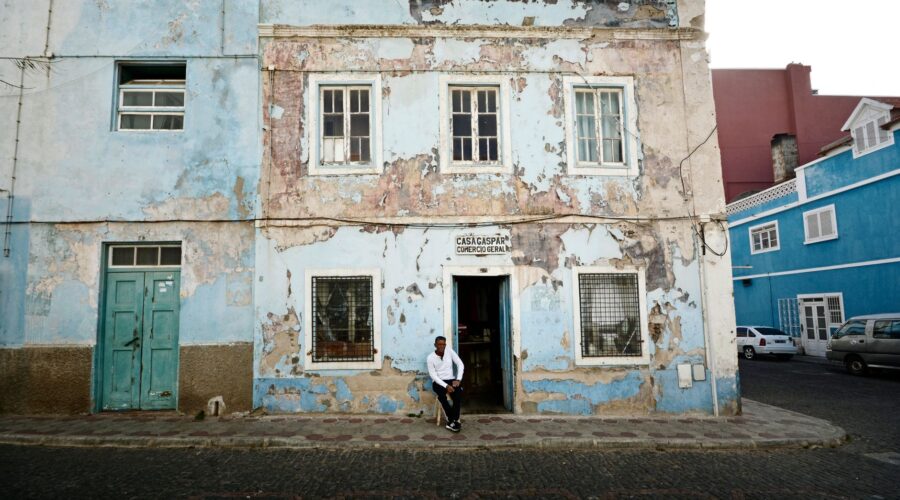
During this golden age, the city boasted a grand cathedral, a pillory (Pelourinho) which still stands today as a symbol of colonial authority, and a sophisticated defensive system. The wealth generated from the trade of slaves, gold, and ivory funded the construction of impressive stone buildings, making Ribeira Grande a “Little Lisbon” in the tropics.
The Shift to Praia and the Decline of the Trade
The dominance of Ribeira Grande began to wane in the early 18th century. A devastating French attack in 1712 highlighted the city’s vulnerability. Combined with the silting of its harbor and the recurring droughts that plagued the Sotavento islands, the administrative focus shifted. In 1770, the nearby town of Praia was designated the new capital, offering better defense and a more suitable harbor.
The 19th century brought the definitive end of the era. The abolition of the slave trade by major powers struck a terminal blow to the old Ribeira Grande economic model. By the time Charles Darwin visited the islands aboard the HMS Beagle in 1832, he noted the stark volcanic landscape and the remnants of a once-great colonial power in decline. The islands eventually transitioned into a refueling station for steamships, particularly in Mindelo on São Vicente, but the glory days of the 16th-century Atlantic trade were long gone.
Legacy: From Ribeira Grande to Modern Cabo Verde
Today, Ribeira Grande—rechristened Cidade Velha—is a UNESCO World Heritage site. It serves as a poignant reminder of the birth of the Atlantic world. The ruins of the Se Cathedral and the cobblestone streets tell the story of a time when the islands were the hinge upon which global trade turned.
The period of “Rum, Cloth, and Slaves” left an indelible mark on Cape Verdean identity. The Cape Verdean Creole (Crioulo) language, which is spoken by the vast majority of the population today, was born from the necessity of communication between the Portuguese and the diverse West African populations brought to Ribeira Grande. While the economy has shifted toward tourism and services—and the nation is now recognized as one of Africa’s most stable democracies—the echoes of the 16th-century Atlantic economy still resonate in the music, language, and resilient spirit of the Cabo Verdean people.
Practical Information for History Enthusiasts
- Location: Cidade Velha is located just 15 kilometers west of the current capital, Praia, on the island of Santiago.
- Must-See Sites: The Pelourinho (1512), the Forte Real de São Filipe, and the ruins of the Cathedral.
- Cultural Context: Visit during the festival of Tabanka to see how African and European influences have merged over centuries.
Image: Pexels – damien Saillet