Portugal Rejects Colonial Reparations: Official Stance
Portugal’s government has firmly shut the door on the possibility of paying financial reparations to its former colonies, with Foreign Minister Paulo Rangel declaring that such a move will “never” happen under the current administration.
Speaking during a parliamentary hearing on the 2027 State Budget on Tuesday, Rangel clarified the stance of the Democratic Alliance (AD) government. He emphasized that while the government acknowledges the dark chapters of its colonial past, it prefers a path of “reconciliation” over monetary compensation.
Reconciliation, Not Compensation
“We would never, under any circumstances, advocate for reparations,” Rangel stated. “One only needs to know this government and this minister to know that this would never happen.”
The Foreign Minister was careful to distinguish between financial payouts and historical accountability. He noted that the Portuguese government unequivocally condemns historical slavery and is willing to confront its past mistakes without diminishing national pride.
“We have no problem looking at historical memory and realizing that there were errors in our history,” Rangel said. However, he argued that the focus should remain on symbolic acts of healing and cooperation with former colonies.
Building Ties Through Memory
As examples of this reconciliation strategy, Rangel cited efforts by previous administrations to preserve historical sites. These include the rehabilitation of the “Slave Ramp” in Mozambique and the restoration of the Tarrafal concentration camp in Cape Verde, which was used to imprison political dissidents during the colonial era.
“This is what we must promote: this reconciliation,” he reiterated, stressing that these actions are intended to strengthen modern ties rather than settle a financial debt.
A Growing National Debate
The issue of colonial responsibility has become a flashpoint in Portuguese politics recently. The debate intensified earlier this year when President Marcelo Rebelo de Sousa suggested during the 50th-anniversary celebrations of the Carnation Revolution that Portugal should take responsibility for colonial-era crimes and consider paying reparations.
The President’s comments sparked a national backlash from conservative factions, leading to the current government’s definitive rejection of the idea. For now, Lisbon remains committed to a policy of diplomatic partnership and shared history, while drawing a hard line against financial liability for its imperial past.
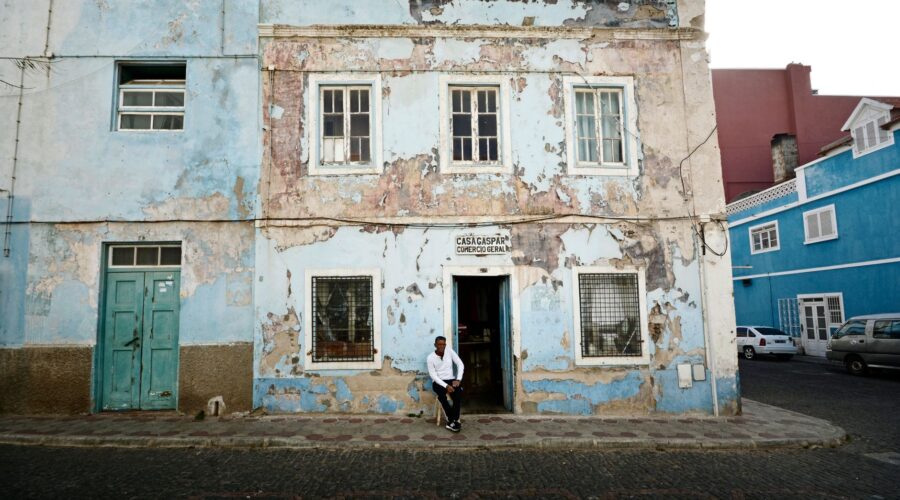
Image: Pexels – damien Saillet