Port of Mindelo: São Vicente’s Mid-Atlantic Commercial Hub
The Port of Mindelo: São Vicente’s Transformation into a Mid-Atlantic Commercial Hub
The Republic of Cabo Verde, a ten-island archipelago situated 600 to 850 kilometers off the West African coast, has always been defined by its relationship with the Atlantic Ocean. While the nation’s history is rooted in its strategic position during the transatlantic trade of the 16th and 17th centuries, its modern economic identity is being reshaped by a specific geographical gem: Porto Grande in Mindelo. Located on the island of São Vicente, the Port of Mindelo has evolved from a 19th-century coal depot into a sophisticated, multi-functional commercial hub that serves as a vital bridge between Africa, Europe, and the Americas.
Geographical Advantage: The Natural Deep-Water Harbor
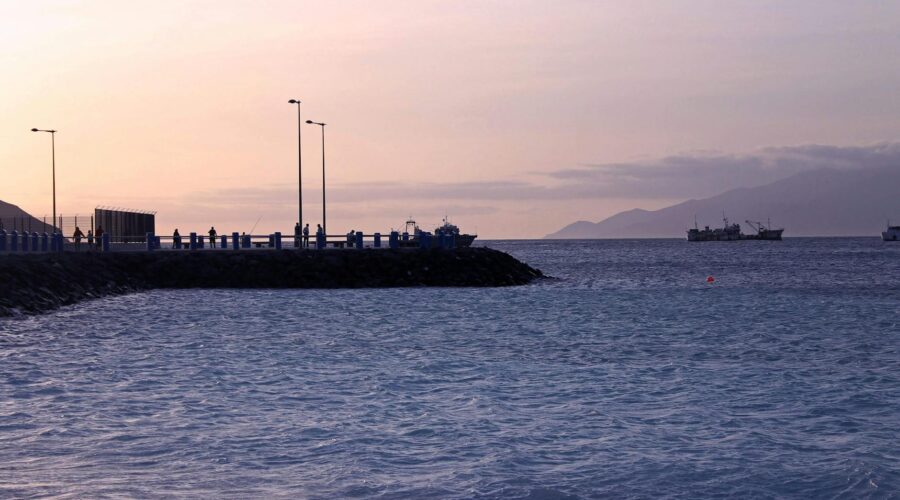
Unlike many of its neighbors in the Macaronesia ecoregion, São Vicente possesses a unique geological feature: a massive, submerged volcanic crater that forms a natural deep-water bay. Known as Porto Grande, this harbor is widely considered one of the finest in the Atlantic. Its protection from the open sea’s volatility and its depth make it capable of welcoming the world’s largest container ships, tankers, and luxury cruise liners.
This geographical luck became the island’s primary asset in the mid-19th century. As the slave trade declined and the world transitioned to steam-powered travel, Cape Verde’s position astride the mid-Atlantic shipping lanes became invaluable. Unlike the flat, sandy islands of Sal or Boa Vista, the rugged topography of São Vicente provided the perfect backdrop for a bustling maritime city. Mindelo quickly grew into a cosmopolitan center, even hosting a visit from Charles Darwin aboard the HMS Beagle in 1832.
From Coal Depots to Modern Logistics
Historically, Mindelo was the “gas station” of the Atlantic. In the 1830s, the British established coal depots to refuel ships traveling to the South Atlantic and the East via the Cape of Good Hope. This era brought about a period of rapid economic growth and cultural exchange, making Mindelo the cultural capital of the archipelago—a title it still holds today.
In the post-independence era (post-1975), the focus shifted from simple refueling to comprehensive maritime services. Today, the Port of Mindelo is the heart of Cabo Verde’s blue economy. Significant investments in infrastructure have expanded the port’s capacity, including:
1. Container Transshipment
As a service-oriented economy with few natural resources, Cabo Verde relies on Mindelo to process a significant portion of its imports. Furthermore, the port serves as a transshipment point for cargo destined for other West African nations, leveraging its stable political environment and democratic reputation (it is frequently ranked as one of Africa’s most democratic nations).
2. The Ship Repair Industry
Mindelo is home to CABNAVE (Estaleiros Navais de Cabo Verde), a specialized ship repair yard. This facility allows vessels to undergo maintenance and repairs in the middle of the Atlantic without having to detour to mainland Africa or Europe, providing a critical safety net for international shipping lines.
3. The New Cruise Terminal
Tourism is a cornerstone of the Cape Verdean economy. The recent development of a state-of-the-art cruise terminal in Mindelo has transformed the island into a premier destination for “island hopping” itineraries. The terminal not only boosts local commerce but also introduces international visitors to the unique blend of African and Portuguese heritage found in Mindelo’s vibrant music and arts scene.
A Sustainable Future: The “Green” Port
Operating in a region highly vulnerable to climate change—Cape Verde was recently ranked by the UN as being on the “frontlines of the existential crisis”—the Port of Mindelo is undergoing a “green” transition. The government aims for 50% of the country’s energy to come from renewable sources by 2030.
A landmark “debt-for-nature” swap signed with Portugal in 2023 is fueling these environmental projects. For the Port of Mindelo, this means investing in sustainable infrastructure, reducing the carbon footprint of maritime operations, and protecting the rich biodiversity of the surrounding waters, which are home to endemic species like the Cape Verde shearwater and various unique marine life forms.
Cultural and Economic Impact
The port is more than just concrete and cranes; it is the lifeblood of Mindelo’s 69,013 residents. The constant influx of sailors, traders, and tourists has fostered a polyglot society where Portuguese and Cape Verdean Creole (Crioulo) are infused with the influences of the world. The port supports thousands of jobs, from logistics experts and engineers to the local artisans who sell their wares to cruise passengers.
Furthermore, as Cabo Verde continues to combat international challenges like drug trafficking—exemplified by the successful “Operation Flying Launch”—the Port of Mindelo serves as a strategic base for the Coast Guard. This ensures that the waters remain safe for legitimate commercial trade, bolstering the country’s reputation as a secure and reliable partner in the Mid-Atlantic.
Conclusion: The Gateway of the Mid-Atlantic
The Port of Mindelo represents the resilience and ambition of Cabo Verde. By transforming its historical role as a stopping point into a modern, multi-faceted commercial hub, São Vicente has proven that geographical isolation can be turned into a strategic advantage. As the port continues to expand its reach through digital logistics, sustainable practices, and increased tourism, it remains the definitive gateway connecting the threads of Atlantic trade, culture, and progress.
Quick Facts about Mindelo and São Vicente:
- Population: Approximately 74,016 on the island, with 69,013 in Mindelo.
- Climate: Arid and mild, moderated by the Atlantic currents.
- Top Exports/Services: Fuel refueling, ship repair, fish processing, and tourism services.
- Language: Portuguese (official) and Cape Verdean Creole (national).
Image: Pexels – Ana Marta Jorge