
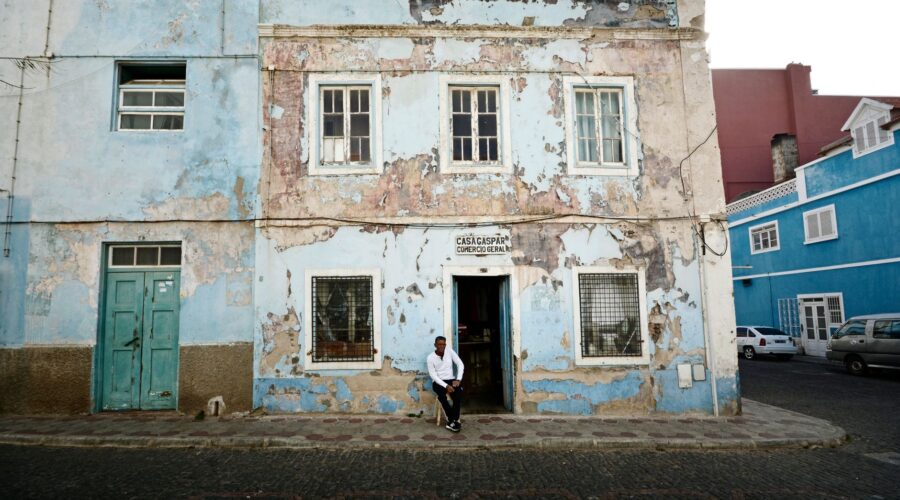
PAICV Ratifies Francisco Carvalho as Cape Verde PM
The National Council of the African Party for the Independence of Cape Verde (PAICV) has officially ratified party leader Francisco Carvalho as the country’s next Prime Minister. The decision, announced by spokesperson Carlos Tavares on Thursday, solidifies the party’s transition back to power following its decisive victory in the May 17 legislative elections.
The ratification follows President José Maria Neves’s formal appointment of Carvalho on June 3. This move honors the “popular will” expressed at the polls, where the PAICV secured an absolute majority, reclaiming leadership after a decade in opposition to the Movement for Democracy (MpD).
A Return to Power with an Absolute Majority
The new parliamentary session is scheduled to convene on June 18, with the PAICV holding a commanding 37 seats in the 72-member house. The MpD will transition to the opposition with 33 seats, while the Independent and Democratic Cape Verdean Union (UCID) retains two seats. President Neves is expected to inaugurate Carvalho and his cabinet on June 19.
During the National Council meeting, party leadership established a “political and strategic alignment” to tackle the nation’s most pressing challenges. A central pillar of the new administration’s platform is a commitment to “strengthening State reform” by slashing “excess spending” to redirect funding toward essential public services.
Priority: Healthcare, Education, and Infrastructure
The incoming government has outlined an ambitious social agenda that includes several landmark promises:
- Universal Access: Implementation of free public higher education and universal free healthcare for all citizens.
- Connectivity: A overhaul of inter-island transport to make travel between the archipelago’s islands more efficient and affordable.
- Housing and Wages: A commitment to expanded housing projects and the “progressive improvement” of national salaries and social pensions.
Environmental and International Goals
Recognizing Cape Verde’s unique geographical challenges, Tavares highlighted waste management and water availability as “burning issues” that will see immediate focus. The program also integrates climate change mitigation and strategic land planning as administrative priorities.
On the global stage, the PAICV intends to launch a “new agenda for international diplomacy,” aiming for a more efficient foreign policy that centers on national interests. This includes a renewed effort to integrate and value the Cape Verdean diaspora as a key driver of national development.
The PAICV’s return to power marks the end of two terms—totaling 10 years—of MpD governance, signaling a significant shift in the Atlantic nation’s political landscape.
Image: Pexels – damien Saillet